Read full prompt
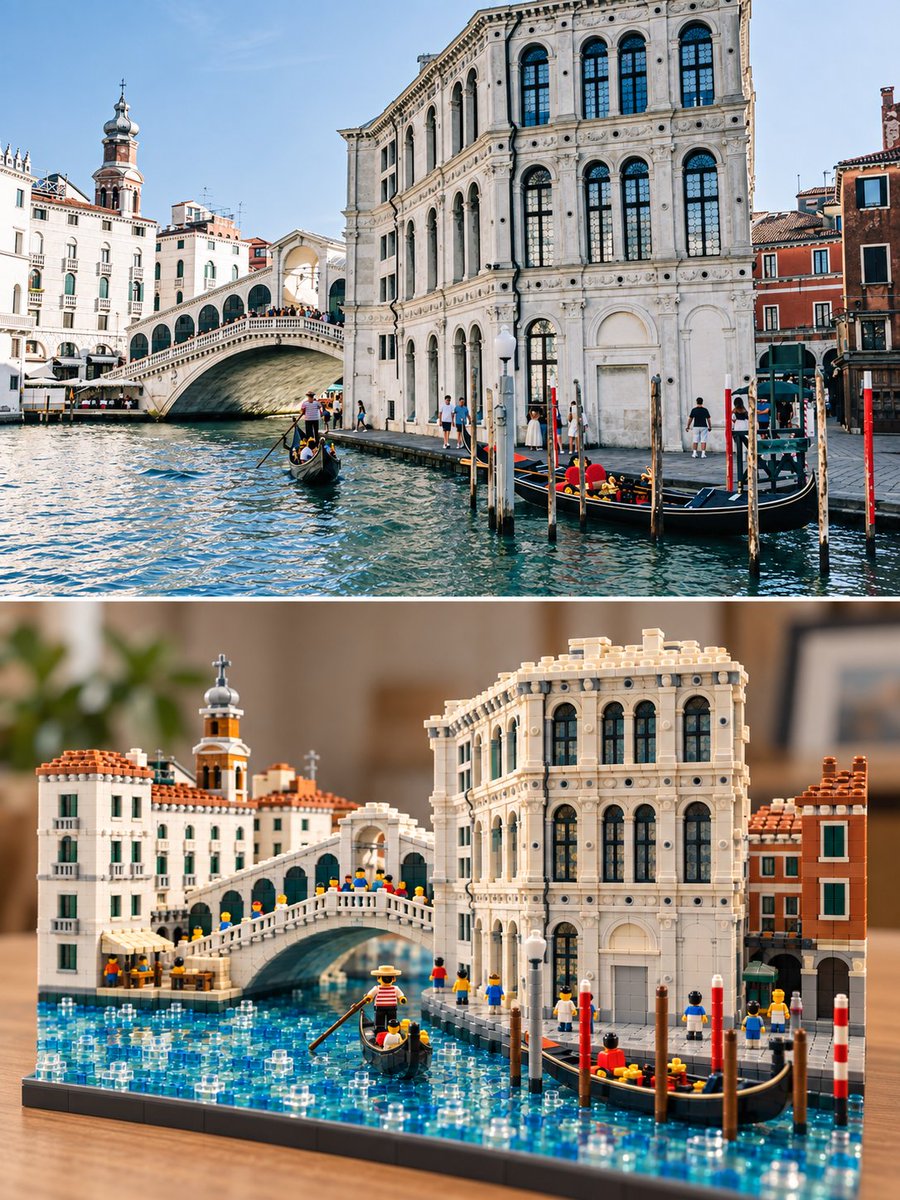
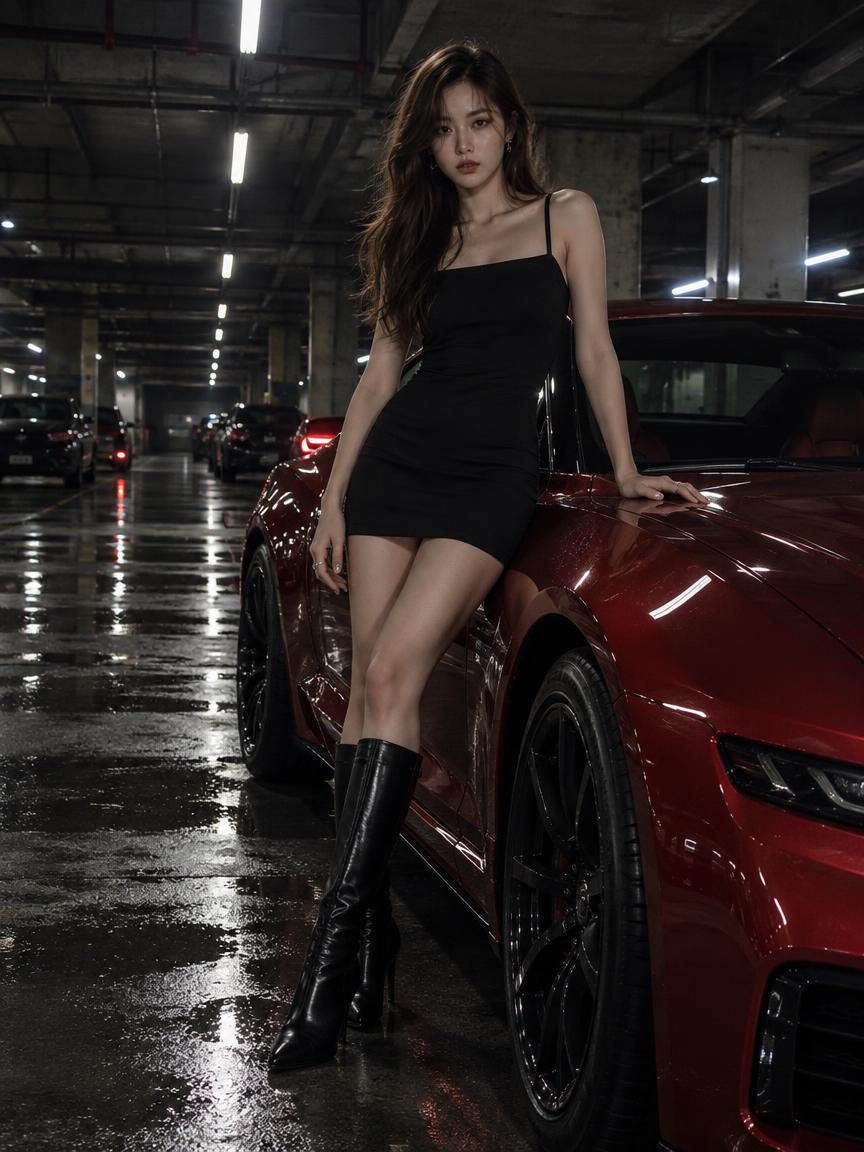
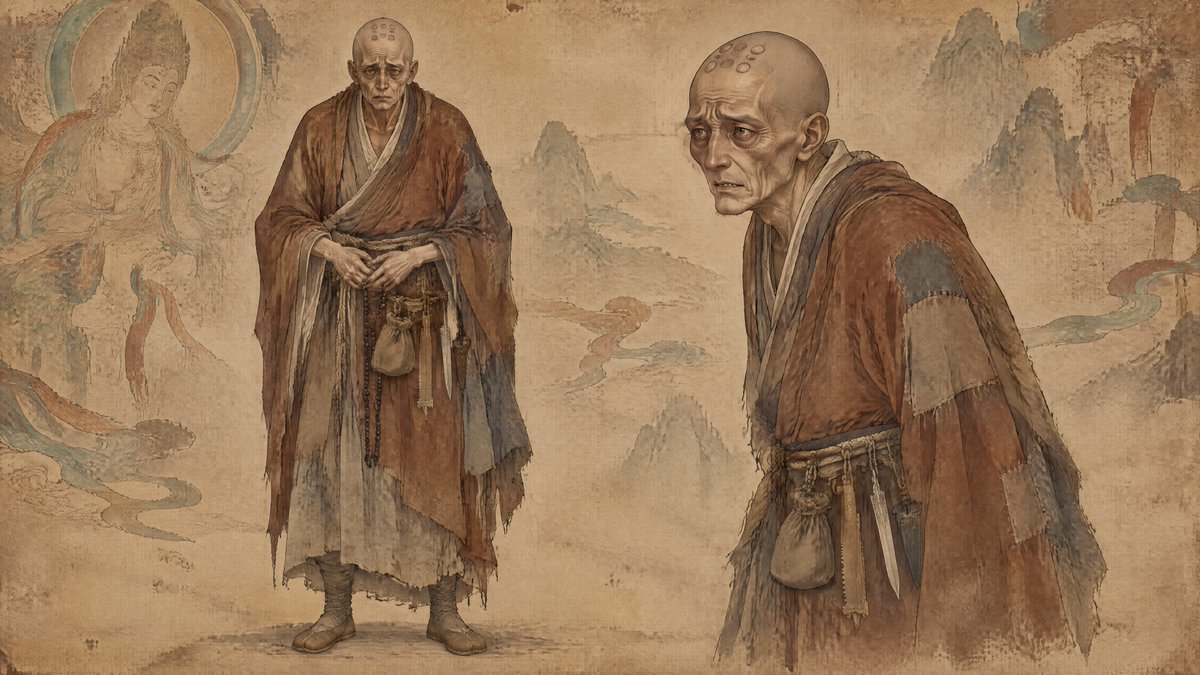
Transform any input travel photo into a standalone 3:4 vertical comparison poster. The top half fully preserves the original real travel photo, maintaining location, architecture or landscape, composition, perspective, subject count, pose and environmental relationships, with only slight publication color grading; use a thin, clean white horizontal divider line in the middle. The bottom half rebuilds the same scene as a realistic shootable physical brick miniature 3D model, using plastic bricks with one-by-one stud bumps, connection seams, and clear part edges, accurately preserving the main outlines, spatial hierarchy, and iconic elements of the original photo, but actively shrinking subjects, simplifying backgrounds, and reorganizing into a complete small tourist scene model.
The model must have the real structure of physical bricks: stud bumps, splicing seams, wall thickness, steps, baseplates, roofs or terrain undulations, transparent window parts, miniature vegetation, and contact shadows. The model scale is relatively small, leaving whitespace around the desktop, using slight tilt-shift macro photography depth of field. Brick colors are extracted from the original photo, not fixed to island blue; buildings, streets, bridges, mountain villages, cities, natural landforms, or character scenes are all applicable. The bottom half can only use elements truly visible in the original photo, do not arbitrarily add waves, palm trees, boats, landmarks, or people.
Must form a clear 'Real Photo - Physical Brick Model' top-bottom contrast relationship. Do not make it pixel art, voxel rendering, mosaic, block filter, low-poly CGI, smooth clay, paper craft, felt, oil painting, watercolor, flat illustration, or ordinary cartoon; do not apply a brick texture to the entire photo. No text, titles, subtitles, original/AI image corner marks, logos, watermarks, decorative borders, no stitching multiple photos.