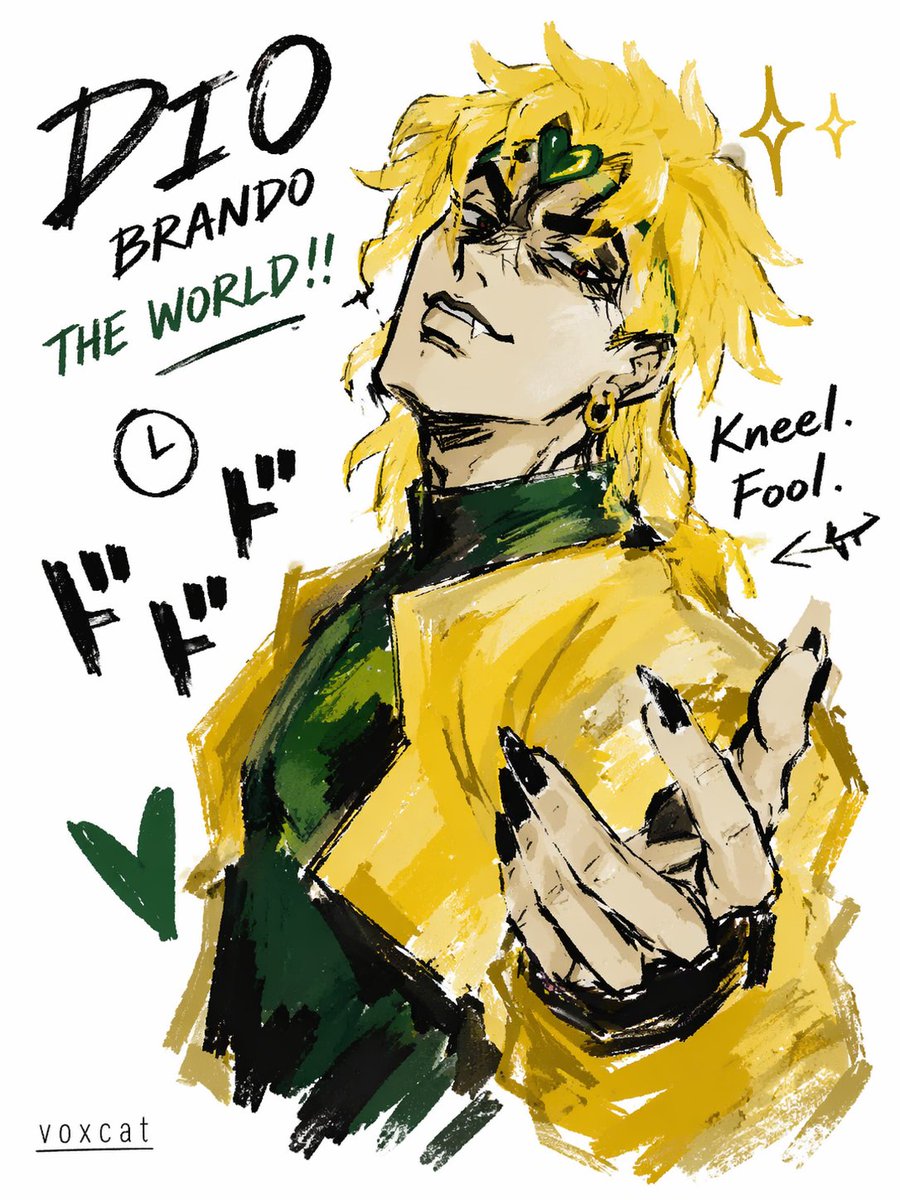
Editorial / Poster
Graffiti Sketch Style Template
Full prompt
Express {argument name="subject" default="theme/subject"} in a graffiti sketch style, presenting an overall visual effect of quick outlines, free deformation, improvised hand-drawing, and draft-like sketches. The lines are casual, exaggerated, varying in thickness, and slightly messy but rhythmic and expressive, emphasizing generalization, exaggeration, fun, and spontaneity rather than rigorous realism or fine detail. The colors are expressed in rough blocks with a distinct dry-brush feel, retaining uneven smears, brush marks, fly-white, and layering. Colors automatically adapt to the {argument name="subject" default="theme/subject"}, but the overall expression remains graffiti-like, sketch-like, and generalized. No transparent watercolor smudging effects, no delicate watercolor transitions, no paper textures, no soft atomization, and no dreamy textures. The background is mainly white space, maintaining a sense of simplicity, ease, unfinishedness, and design. Small amounts of auxiliary symbols, arrows, marks, circles, repeated lines, handwritten text, or other graffiti elements can be added to enhance the sketchbook or essay-like visual language, but they should not be too crowded or destroy the subject and the white space atmosphere. The content of the picture does not need to be written in advance; {argument name="subject" default="theme/subject"} will automatically deduce and generate the most suitable main image, actions, related elements, symbols, or simplified scenes. The overall style remains a unified graffiti sketch style and an exaggerated, generalized expression, avoiding complex realistic backgrounds and excessive detail. A special signature 'voxcat' should be naturally added as part of the picture, in a low-key but clear position such as the bottom left, bottom right, or near the title. The style should be unified with the overall layout, like an artist's signature or a design mark; the signature font should be exquisite, restrained, and high-end, not too large, and should not destroy the main composition or appear abrupt or cheap.
View original prompt
以涂鸦速写风表现【{argument name="主体" default="主题/主体"}】,整体呈现快速勾勒、自由变形、即兴手绘与草稿式的视觉效果。线条随手、夸张、可粗细不一,略显凌乱 but 具有节奏和表现力,强调概括、夸张、趣味 and 随性,而不是严谨写实或精细刻画。 颜色采用粗糙、干刷感明显的块面表现,可保留不均匀的涂抹痕迹、刷痕、飞白与覆盖感,色彩根据【{argument name="主体" default="主题/主体"}】自动适配,但整体保持涂鸦式、速写式、概括式的表达。不要透明水彩晕染效果,不要细腻水彩过渡,不要纸纹理,不要柔和雾化,不要梦幻质感。 背景以留白为主,保持简洁、轻松、未完成感和设计感,可加入少量辅助性符号、箭头、记号、圈画、重复线、随手写的文字或其他涂鸦元素,以增强速写本或随笔式视觉语言,但不可过于拥挤,不可破坏主体和留白气质。 画面内容不需要预先写清楚,由【{argument name="主体" default="主题/主体"}】自动推演并生成最适合的主体形象、动作、相关元素、符号或简化场景,整体保持统一的涂鸦速写风 and 夸张概括的表现方式,避免复杂写实背景 and 过度铺陈。 画面中需自然加入专属签名“voxcat”,作为画面的一部分,位置低调 but 清晰,可放在左下角、右下角或标题附近,风格需与整体版式统一,像作品署名或设计落款;签名字体精致、克制、高级,不可过大,不可破坏主体构图,不可显得突兀 or 廉价。