Transform the reference photograph into a minimalist editorial travel-journal poster.
Full prompt
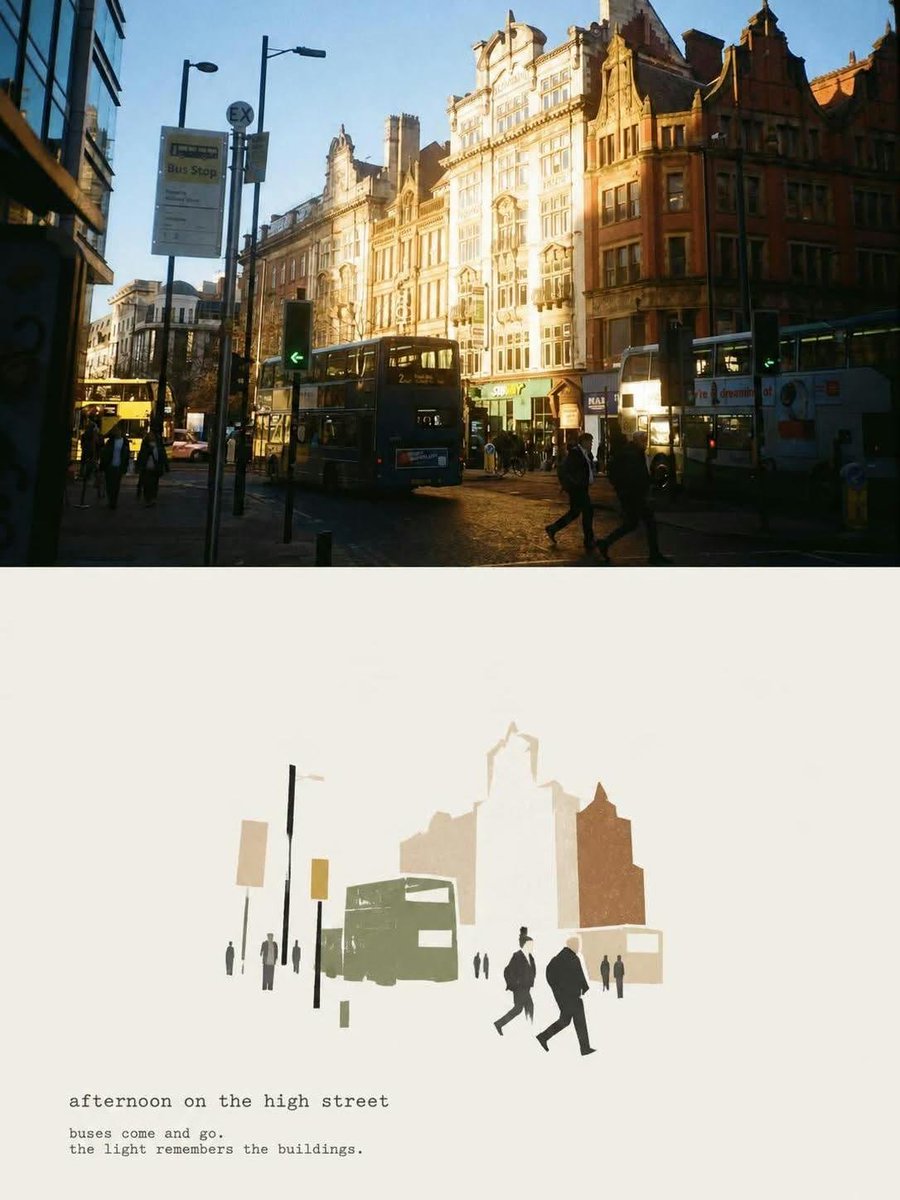
Transform the reference photograph into a minimalist editorial travel-journal poster. Preserve the recognizable architecture, curved waterfront promenade, sparkling sea, people, umbrellas, steps, and overall composition, but reinterpret the scene as a delicate hand-painted and screen-printed illustration. Use loose simplified shapes, fine imperfect ink outlines, muted blue, sea-green, warm beige, soft gray and terracotta accents, subtle watercolor washes, faded pigments, natural paper grain and slightly distressed vintage-print texture. Place the illustration on a warm ivory handmade paper background with generous negative space. Keep the architecture recognizable but artistic and simplified. Add elegant typewriter-style typography near the bottom reading “harbour light”, with the smaller line “afternoon lingers in the curve, where sea and steps remember.” Calm coastal mood, nostalgic travel diary aesthetic, sophisticated editorial composition, understated Japanese-inspired art zine, authentic handmade imperfections, premium print design, vertical 4:5 poster. Transform the reference photograph into a minimalist vintage travel-journal poster while preserving the recognizable street scene: historic ornate buildings, double-decker buses, bus stop, street lamps, pedestrians, storefronts, and warm afternoon sunlight. Reinterpret everything as a refined hand-drawn screen-print illustration using simplified architectural silhouettes, delicate imperfect ink lines, flat muted olive green, ochre, warm brown, cream and soft gray tones, subtle watercolor texture and lightly distressed pigment. Place the illustration in the center of a large warm ivory textured paper sheet, surrounded by generous negative space. Maintain the distinctive building shapes and street perspective while keeping the illustration clean and poetic. Add elegant typewriter-style typography at the bottom reading “afternoon on the high street”, followed by “buses come and go. the light remembers the buildings.” Nostalgic urban travel diary, quiet afternoon atmosphere, editorial art-book aesthetic, handmade paper texture, restrained colors, sophisticated minimalist composition, authentic vintage print imperfections, vertical 4:5 poster.
Analyze the entire composition of the input image. Identify all key subjects present (whether a single person, group/couple, vehicle, or specific object) and their spatial relationships/interactions.
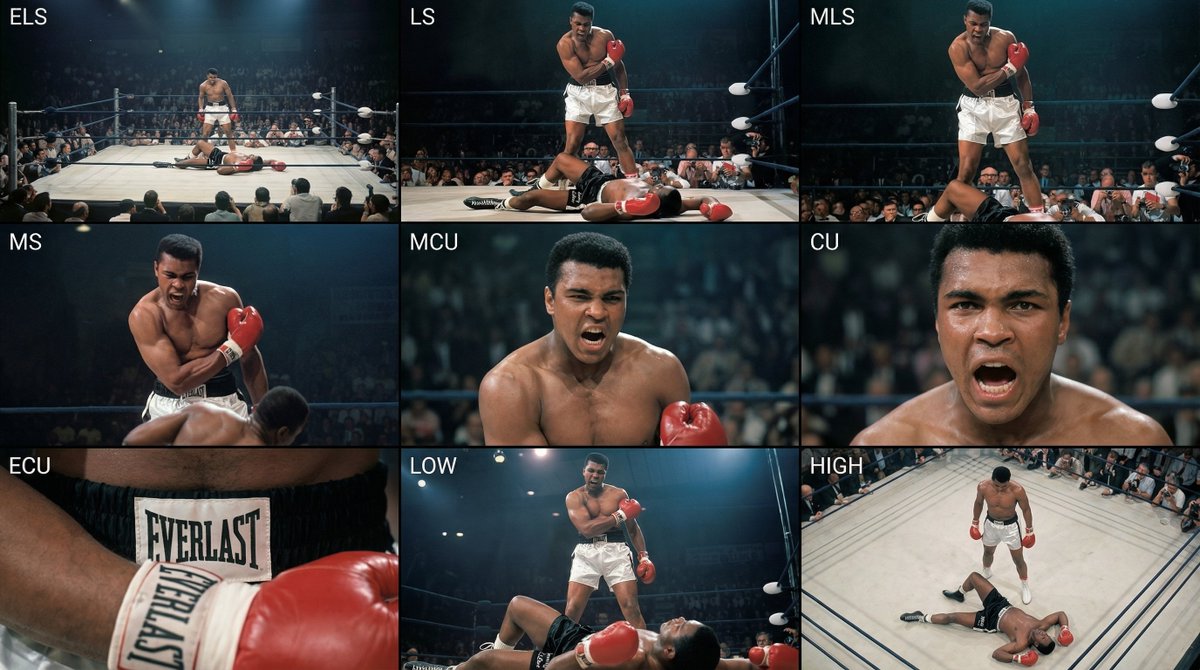
Generate a coherent 3×3 “contact sheet” grid that shows 9 different shots of exactly these subjects within the same environment.
You must adapt standard cinematic shot types to fit the content (for example, if it’s a group, keep the group together; if it’s an object, frame the entire object):
Row 1 (establishing the environment):
Extreme long shot (ELS): the subject appears small within a vast environment.
Long shot (LS): the full subject or group is visible from top to bottom (head to toe / wheels to roof).
Medium long shot (American shot / three-quarter): framed from above the knees (for people) or a 3/4 view (for objects).
Row 2 (core coverage):
4. Medium shot (MS): framed from the waist up (or the central core of an object). Focus on interaction/action.
5. Medium close-up (MCU): framed from the chest up. An intimate framing of the main subject.
6. Close-up (CU): tightly framed on the face or the “front” of the object.
Row 3 (details and angles):
7. Extreme close-up (ECU): intense focus on key features (eyes, hands, signs, textures) with macro-like detail.
8. Low-angle shot (worm’s-eye): look up at the subject from ground level (epic/heroic feeling).
9. High-angle shot (bird’s-eye): look down on the subject from above.
Ensure strict consistency: the same person/object, same clothing, and same lighting must appear in all 9 panels. Depth of field should vary realistically (with background blur in close-up shots).
Create a professional 3×3 cinematic storyboard grid with 9 panels.
The grid should present a specific subject/scene from the input image across a full range of focal lengths.
Top row: wide environmental shot, full-body view, 3/4 cropped (knees-up).
Middle row: waist-up view, chest-up view, face/front close-up.
Bottom row: macro details, low angle, high angle.
All frames must have photo-realistic textures, consistent cinematic color grading, and correct framing tailored to the number and type of subjects or objects being analyzed.
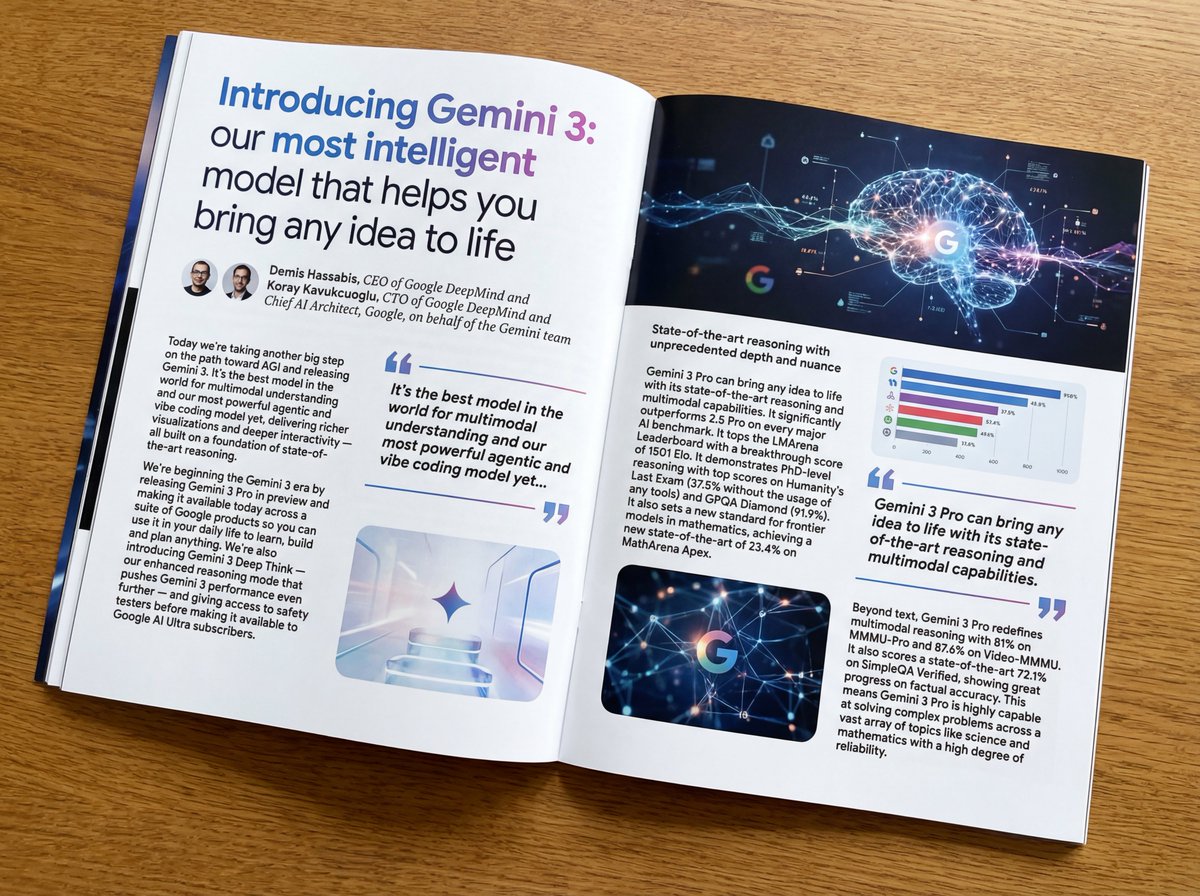
Put this whole text, verbatim, into a photo of a glossy magazine article on a desk, with photos, beautiful typography design, pull quotes, and bold formatting. The text: {argument name="article_text_en" default="[paste the full unformatted article here]"}
Create decorative text based on the word "{argument name="word" default=""}". Write the specified word largely and create decorative text designs associated with the image of the word. Create original designs with flexible ideas, without being constrained by existing fonts. The background should be a single color, white or black, matching the design.