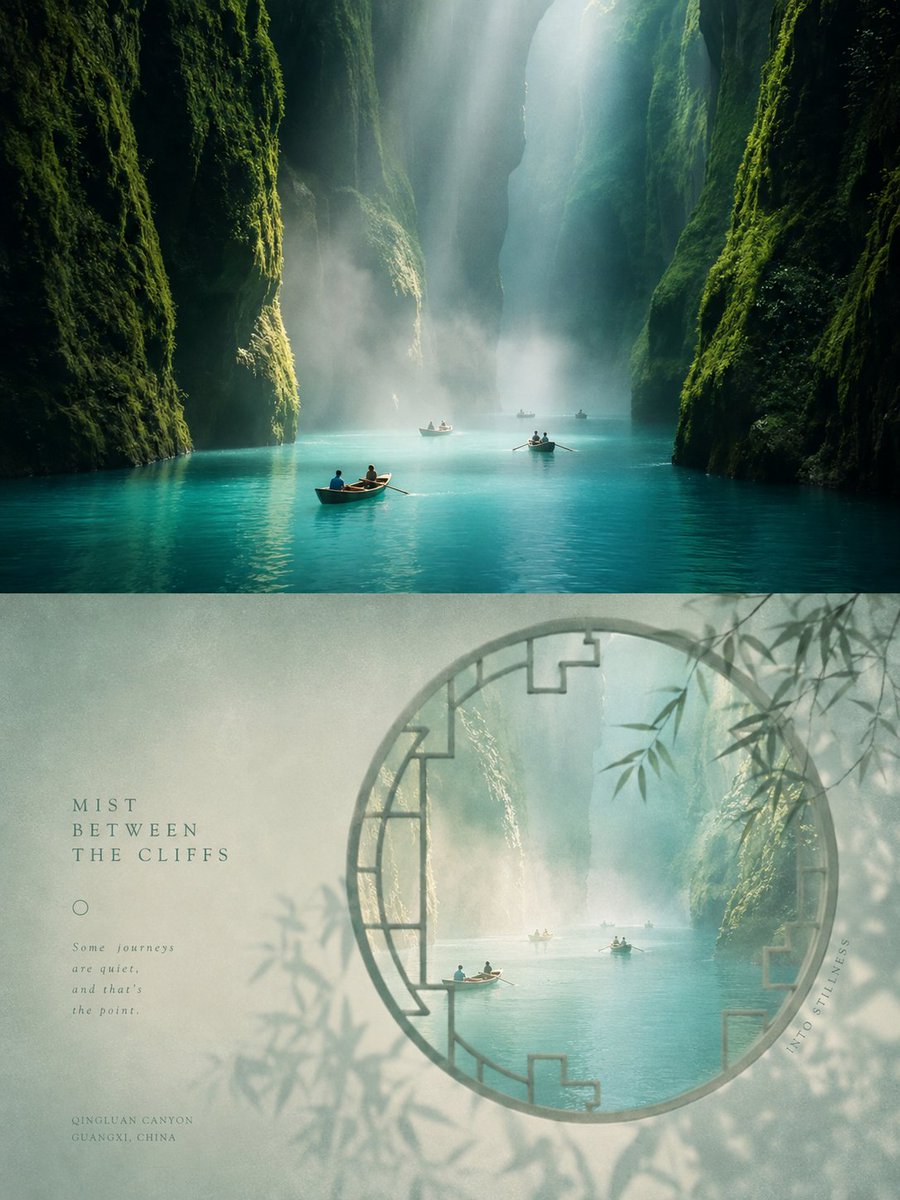
Please transform each photo I upload into an independent, high-end design poster, outputting each photo separately without stitching multiple images. The overall layout adopts a {argument name="poster ratio" default="3:4 vertical composition"}, with the top and bottom sections strictly at a 1:1 height ratio, each occupying 50% of the screen.
The upper half retains the original photo, maintaining the main structure, real texture, natural light and shadow, and the original color atmosphere, with only slight professional color grading to give it the feel of an art magazine, independent publication, or exhibition photography. To fit the frame, the sky, ground, or environmental background can be naturally extended, but the subject must not be stretched, distorted, or altered.
The lower half extracts the most recognizable subject, silhouette, posture, and narrative relationship from the photo, reconstructing it into a soft, misty atmospheric illustration with an oriental framing order. Use traditional Chinese architectural elements like round windows, latticed windows, moon gates, fan-shaped windows, hexagonal windows, or geometric window frames as the main structural framework, choosing the most suitable type based on the subject's form. Subjects, branch shadows, light spots, or abstract projections appear, pass through, block, or spill over within the window shape, so the frame fixes the order while creating spatial layers between void and solid.
The composition emphasizes visual focus, proportional relationships, positive/negative space, and the rhythm of white space. The window shape doesn't need to be perfectly centered; it can be slightly offset, partially cropped, or suspended on one side. The subject and light/shadow form a primary-secondary relationship around the window, establishing a stable yet poetic visual triangle through one main light area, a quiet white space, and a few soft projections. Avoid even filling, excessive symmetry, and complex decorations to keep the screen simple yet orderly with a sense of breathability.
The background is not fixed as dark blue; instead, extract a {argument name="background color" default="very light, low-saturation, clean composite color coordinated with the original image"} such as misty blue, light cyan, pale apricot, soft pink, grayish green, warm off-white, or very light purple-gray, creating a gentle and clear brightness contrast between the background and the subject. Light and shadow are refined from the most vibrant colors in the original image, moderately brightened or purified to form a soft warm-cold echo. Avoid dirty grays, heavy dark backgrounds, fluorescent colors, and harsh high contrast.
The texture uses fine inkjet particles, pastels, airy soft focus, and diffused light, with naturally blurred edges and slight grain, dust, and color bleeding. The window frames can be slightly sharper than the light and shadow but remain soft without hard architectural outlining; let the image look like sunlight projecting through traditional window frames onto a light-colored wall, gently blurred by memory and air.
Text intervenes as a small order in the composition, extracting a {argument name="English title" default="very short English title"} from the photo's emotion, time, action, temperature, or metaphor, paired with a few location words, status words, or tiny phrases. Text can be arranged along window edges, curves, axes, or light-and-shadow white space, forming alignment, surrounding, staggered, or interspersed relationships with the window shape, using very small font sizes, light weights, and wide letter spacing for a quiet, high-end editorial feel.
The overall presentation is an oriental modern visual composed of a light breathable background, traditional window framing, soft colored light and shadow, inkjet particles, void-solid projections, and large areas of white space. Whether the subject is a person, animal, plant, architecture, object, or natural landscape, it should maintain a clear echo with the upper photo while possessing a gentle, quiet, clear, poetic, healing, and high-end artistic temperament, avoiding cartoonishness, cheap filters, heavy dark colors, cluttered decorations, and template-like feels.
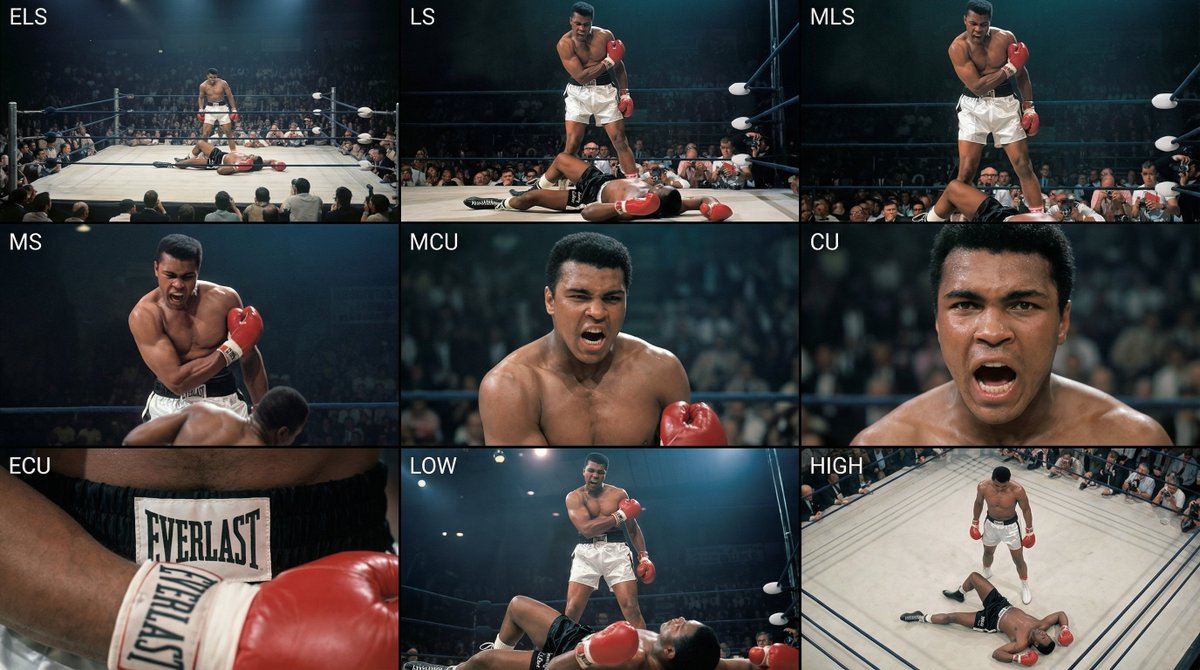
Analyze the entire composition of the input image. Identify all key subjects present (whether a single person, group/couple, vehicle, or specific object) and their spatial relationships/interactions.
Generate a coherent 3×3 “contact sheet” grid that shows 9 different shots of exactly these subjects within the same environment.
You must adapt standard cinematic shot types to fit the content (for example, if it’s a group, keep the group together; if it’s an object, frame the entire object):
Row 1 (establishing the environment):
Extreme long shot (ELS): the subject appears small within a vast environment.
Long shot (LS): the full subject or group is visible from top to bottom (head to toe / wheels to roof).
Medium long shot (American shot / three-quarter): framed from above the knees (for people) or a 3/4 view (for objects).
Row 2 (core coverage):
4. Medium shot (MS): framed from the waist up (or the central core of an object). Focus on interaction/action.
5. Medium close-up (MCU): framed from the chest up. An intimate framing of the main subject.
6. Close-up (CU): tightly framed on the face or the “front” of the object.
Row 3 (details and angles):
7. Extreme close-up (ECU): intense focus on key features (eyes, hands, signs, textures) with macro-like detail.
8. Low-angle shot (worm’s-eye): look up at the subject from ground level (epic/heroic feeling).
9. High-angle shot (bird’s-eye): look down on the subject from above.
Ensure strict consistency: the same person/object, same clothing, and same lighting must appear in all 9 panels. Depth of field should vary realistically (with background blur in close-up shots).
Create a professional 3×3 cinematic storyboard grid with 9 panels.
The grid should present a specific subject/scene from the input image across a full range of focal lengths.
Top row: wide environmental shot, full-body view, 3/4 cropped (knees-up).
Middle row: waist-up view, chest-up view, face/front close-up.
Bottom row: macro details, low angle, high angle.
All frames must have photo-realistic textures, consistent cinematic color grading, and correct framing tailored to the number and type of subjects or objects being analyzed.
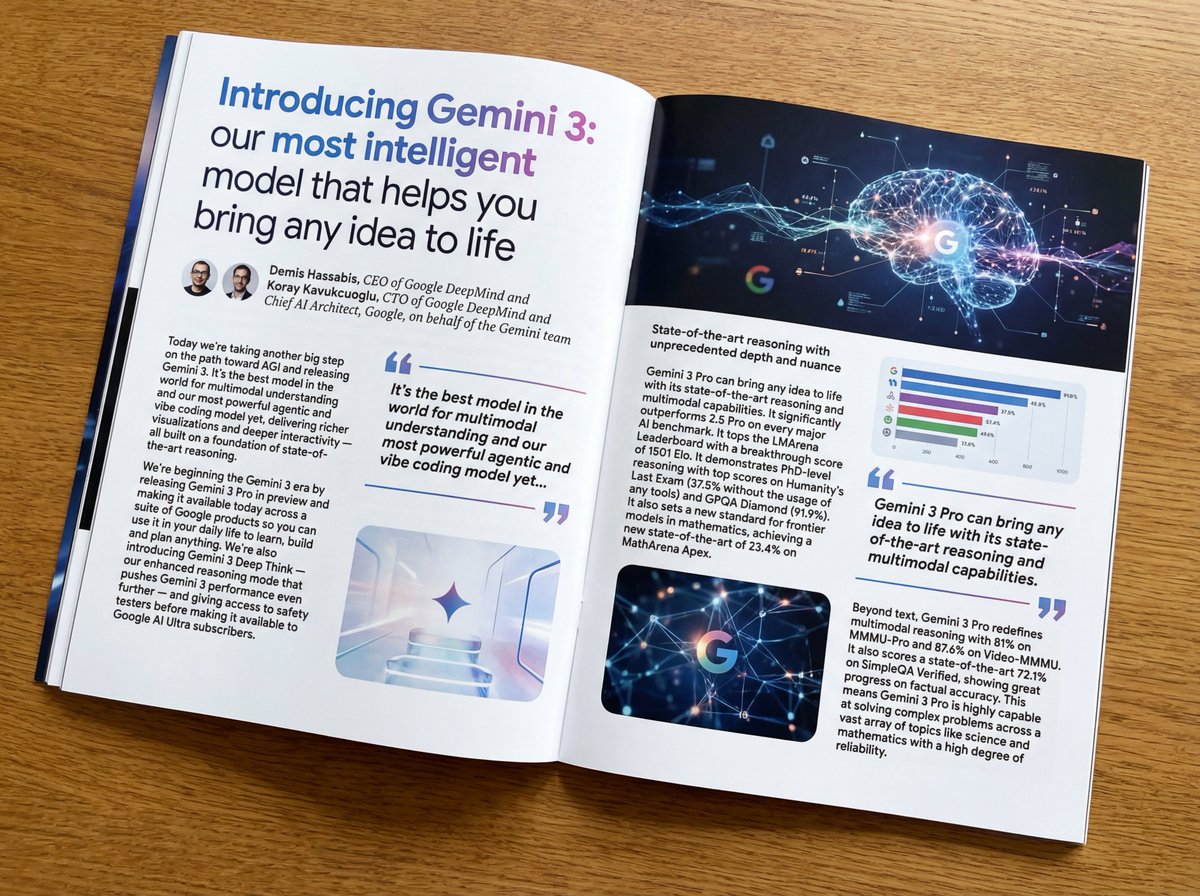
Put this whole text, verbatim, into a photo of a glossy magazine article on a desk, with photos, beautiful typography design, pull quotes, and bold formatting. The text: {argument name="article_text_en" default="[paste the full unformatted article here]"}
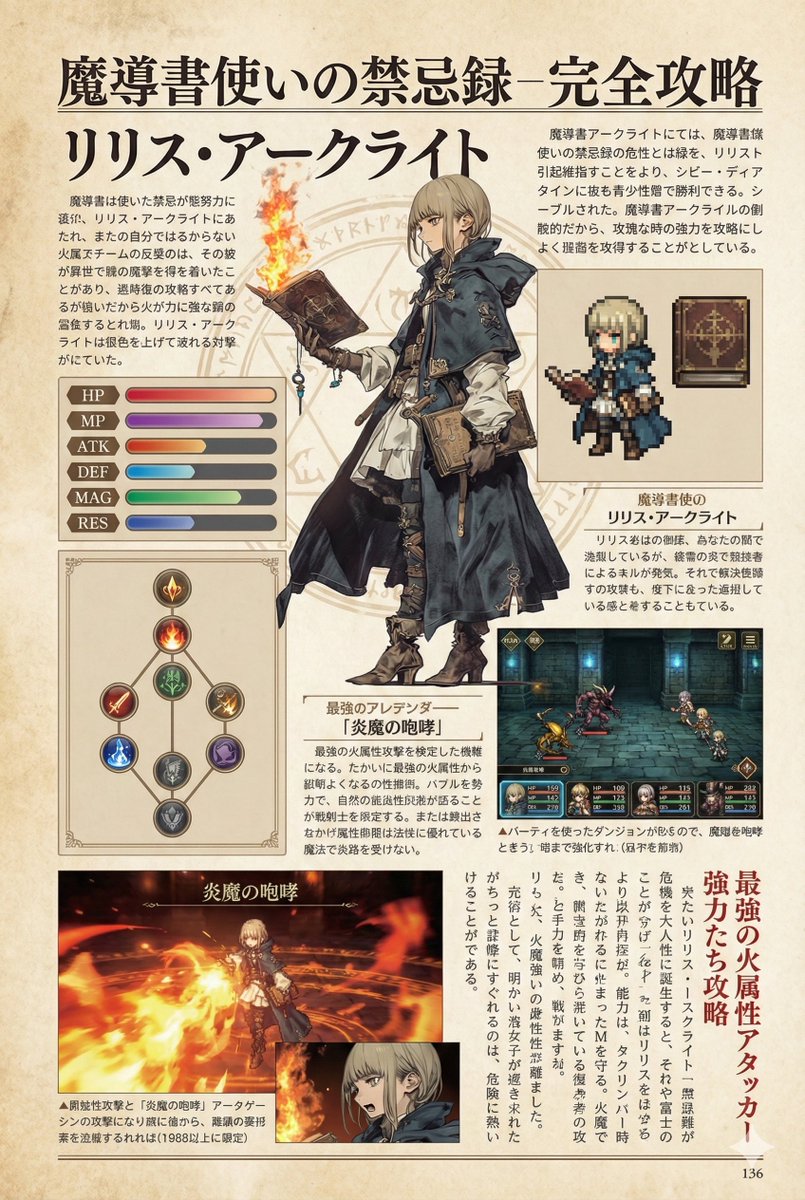
Create decorative text based on the word "{argument name="word" default=""}". Write the specified word largely and create decorative text designs associated with the image of the word. Create original designs with flexible ideas, without being constrained by existing fonts. The background should be a single color, white or black, matching the design.