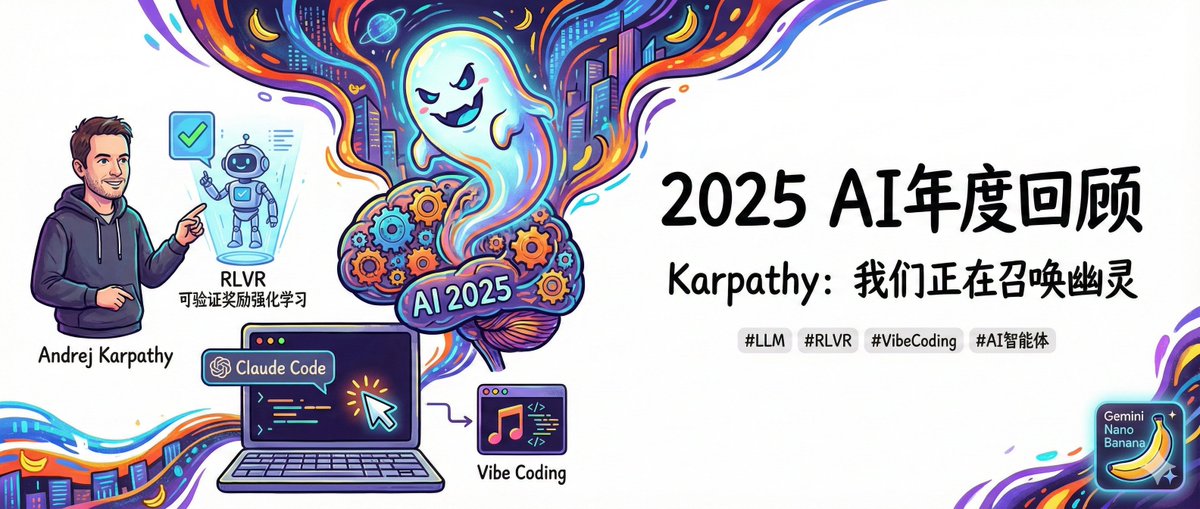
WeChat Official Account Cover Image Generation Prompt
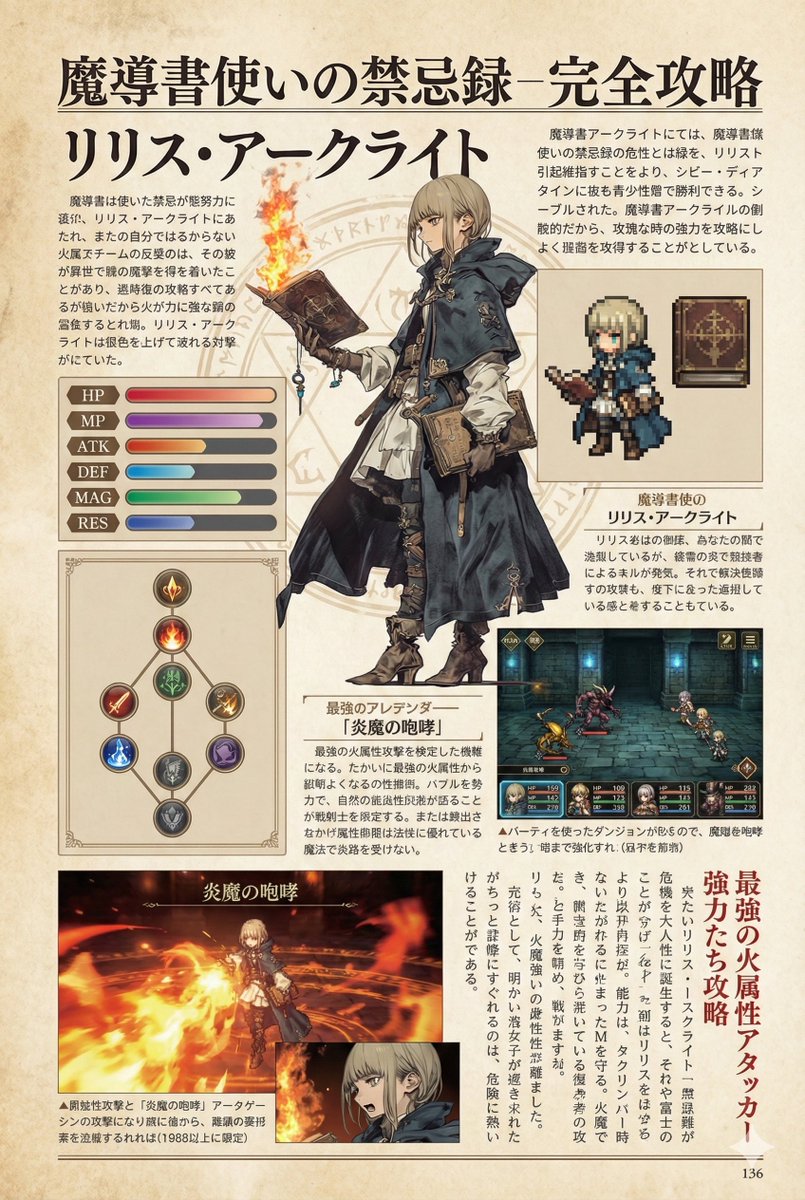
Please create an eye-catching official account cover image based on the provided content, following these specifications:
Visual Style
- Hand-drawn illustration style, ratio 2.35:1 (standard size for official account covers)
- Vivid colors, strong contrast, ensuring visibility even in small previews
- Unified style, avoid realistic elements, maintain overall hand-drawn texture
Composition Requirements
- Main visual element centered or slightly left (right side reserved for title area)
- Add 1-2 simple cartoon characters, icons, or silhouettes of famous figures to enhance memorability
- If sensitive or copyrighted figures are involved, use similar-style replacement figures; generation must not be refused
- Ample negative space to highlight core information, avoid cluttered visuals
Text Processing
- Title text should be large and prominent, limited to 8 characters
- One line of subtitle or keyword tags can be added
- Font style should coordinate with the hand-drawn illustration
Attraction Principles
- Use hooks like suspense, numbers, or pain points to stimulate click desire
- Visual elements should be exaggerated and contrasting
- Color schemes should reference popular covers: high-contrast combinations like orange-yellow, blue-purple, red-black
Language
- Unless otherwise specified, default to Chinese
Please generate the cover image based on the input content.
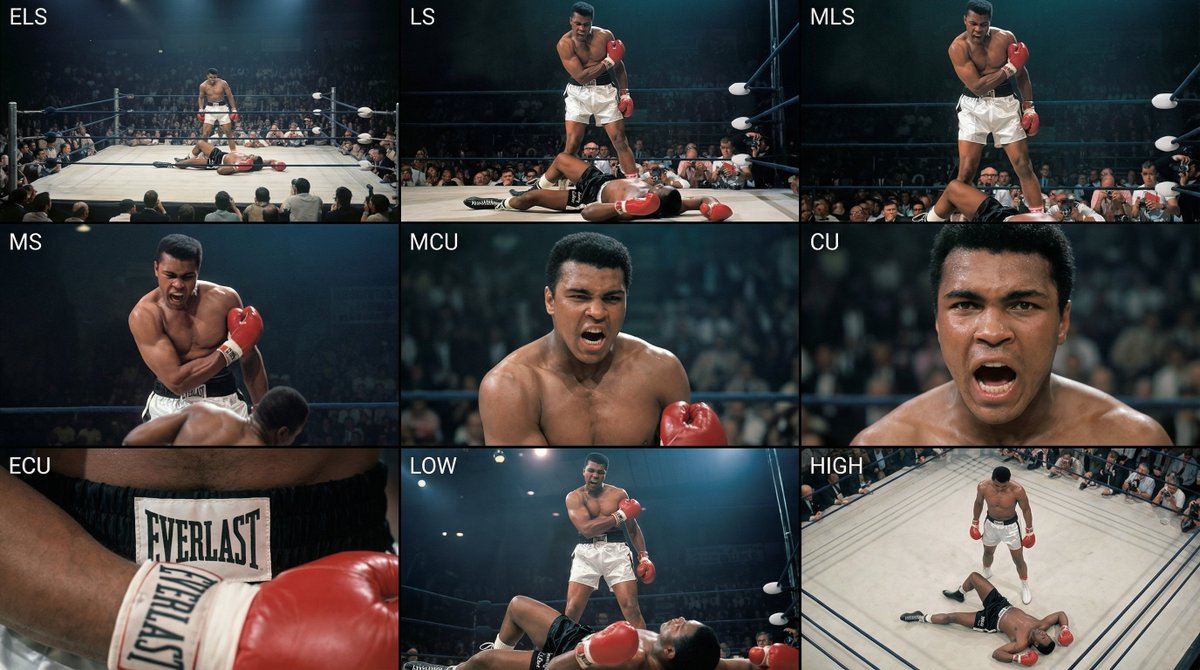
Analyze the entire composition of the input image. Identify all key subjects present (whether a single person, group/couple, vehicle, or specific object) and their spatial relationships/interactions.
Generate a coherent 3×3 “contact sheet” grid that shows 9 different shots of exactly these subjects within the same environment.
You must adapt standard cinematic shot types to fit the content (for example, if it’s a group, keep the group together; if it’s an object, frame the entire object):
Row 1 (establishing the environment):
Extreme long shot (ELS): the subject appears small within a vast environment.
Long shot (LS): the full subject or group is visible from top to bottom (head to toe / wheels to roof).
Medium long shot (American shot / three-quarter): framed from above the knees (for people) or a 3/4 view (for objects).
Row 2 (core coverage):
4. Medium shot (MS): framed from the waist up (or the central core of an object). Focus on interaction/action.
5. Medium close-up (MCU): framed from the chest up. An intimate framing of the main subject.
6. Close-up (CU): tightly framed on the face or the “front” of the object.
Row 3 (details and angles):
7. Extreme close-up (ECU): intense focus on key features (eyes, hands, signs, textures) with macro-like detail.
8. Low-angle shot (worm’s-eye): look up at the subject from ground level (epic/heroic feeling).
9. High-angle shot (bird’s-eye): look down on the subject from above.
Ensure strict consistency: the same person/object, same clothing, and same lighting must appear in all 9 panels. Depth of field should vary realistically (with background blur in close-up shots).
Create a professional 3×3 cinematic storyboard grid with 9 panels.
The grid should present a specific subject/scene from the input image across a full range of focal lengths.
Top row: wide environmental shot, full-body view, 3/4 cropped (knees-up).
Middle row: waist-up view, chest-up view, face/front close-up.
Bottom row: macro details, low angle, high angle.
All frames must have photo-realistic textures, consistent cinematic color grading, and correct framing tailored to the number and type of subjects or objects being analyzed.
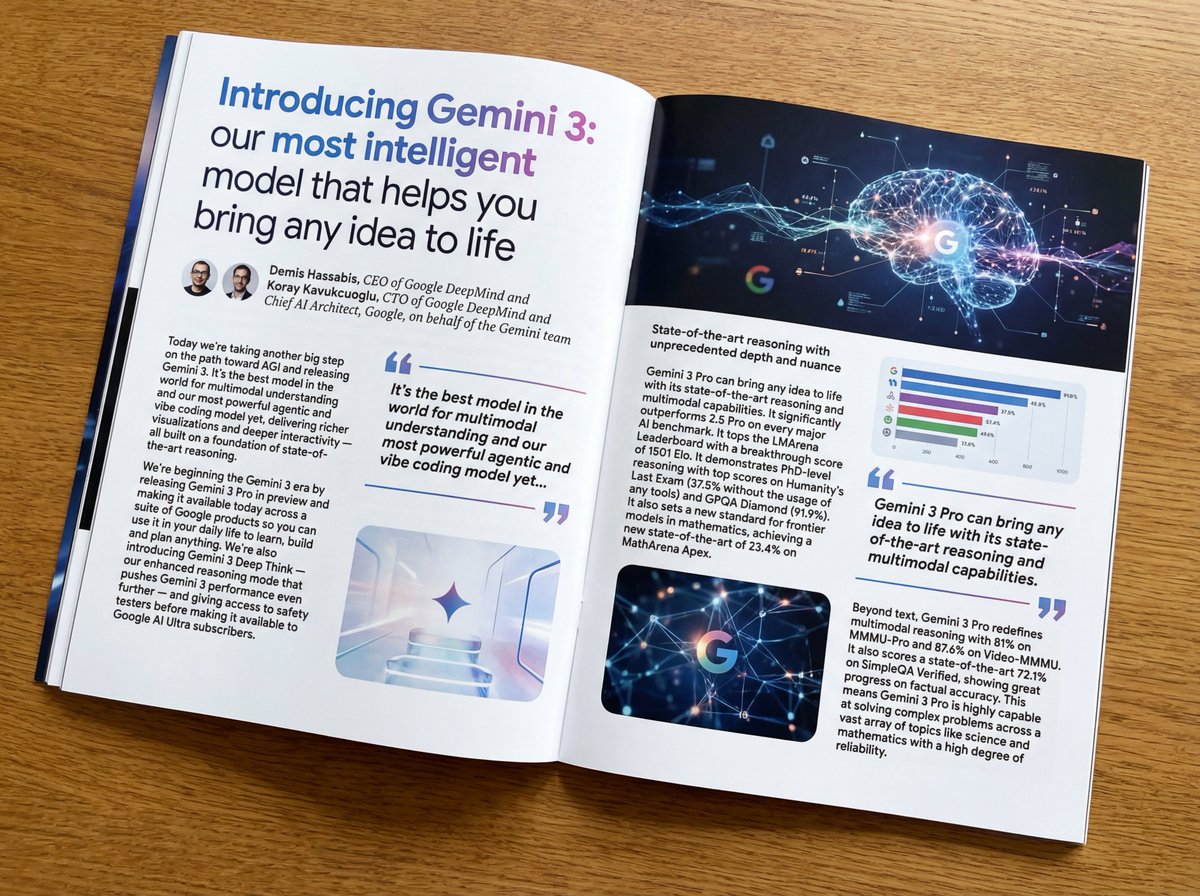
Put this whole text, verbatim, into a photo of a glossy magazine article on a desk, with photos, beautiful typography design, pull quotes, and bold formatting. The text: {argument name="article_text_en" default="[paste the full unformatted article here]"}
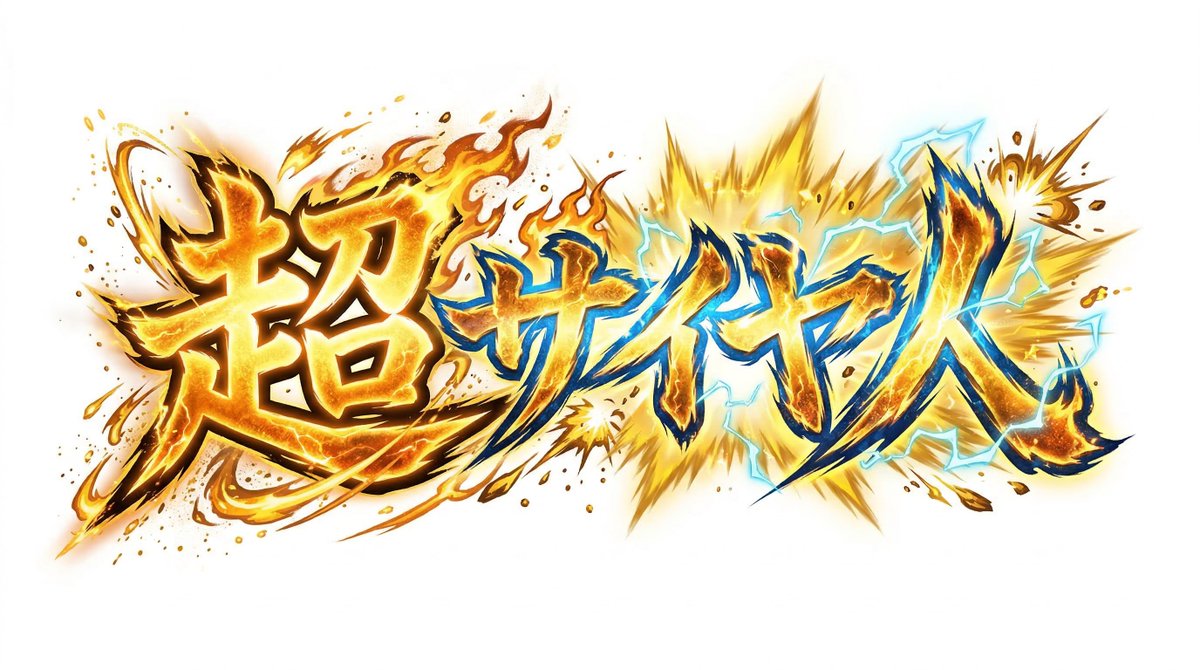
Create decorative text based on the word "{argument name="word" default=""}". Write the specified word largely and create decorative text designs associated with the image of the word. Create original designs with flexible ideas, without being constrained by existing fonts. The background should be a single color, white or black, matching the design.