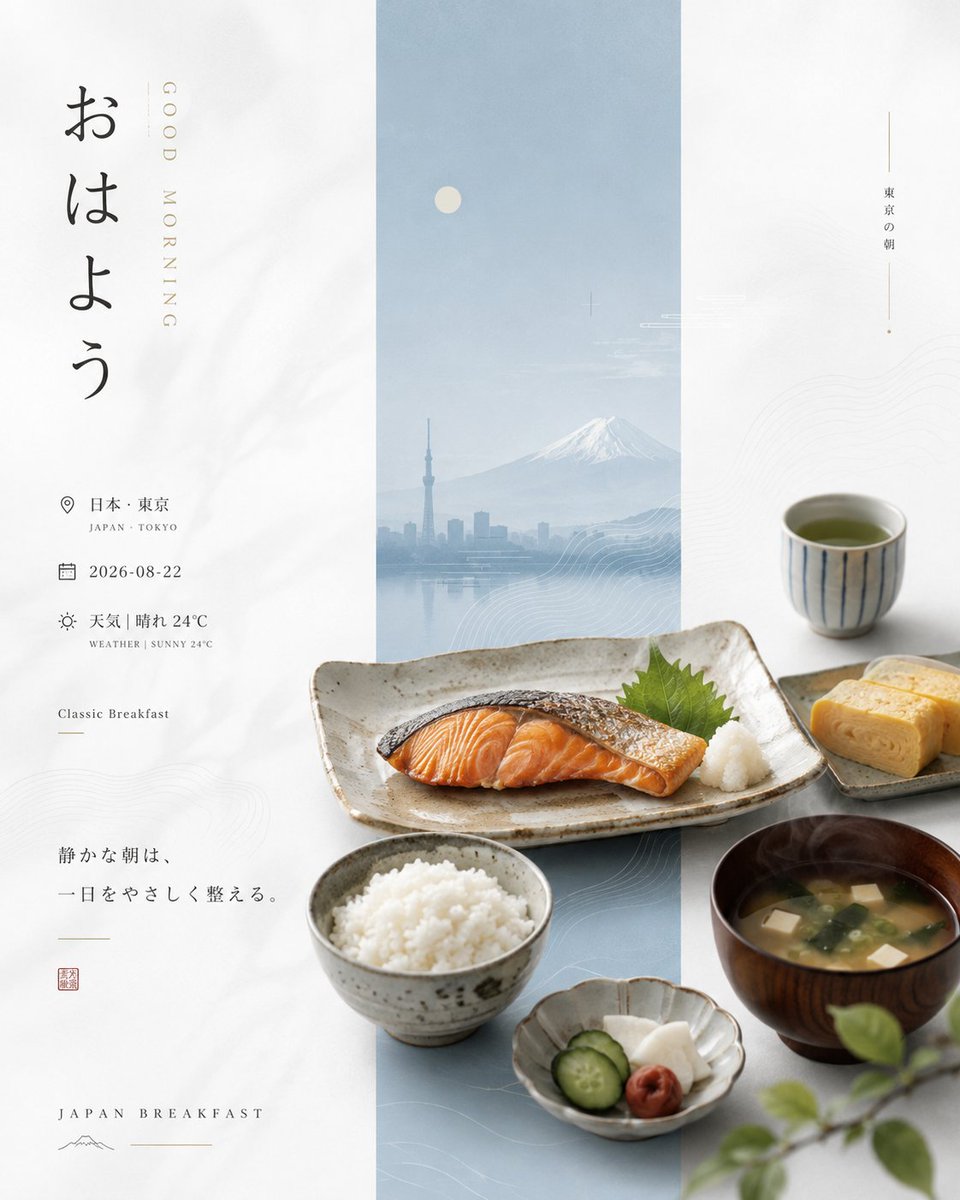
Design a minimalist poster with high-end commercial aesthetics. The core visual language is 'real objects passing through geometric emotional windows'. Set up a narrow, low-saturation color block as a visual anchor and spatial container; choose soft light colors like mist blue, pale cyan, off-white, light pink, warm gray, or light gold based on the theme. Place the [{argument name="core object" default="main element"}] into the color block with realistic photographic texture or fine realism, but do not completely confine it within the block; let parts of the subject cross boundaries, break frames, and extend into the whitespace area to create a sense of natural growth and spatial penetration. Keep the background minimalist with large areas of white or light gray whitespace, adding almost transparent cultural patterns, linear graphics, topographic lines, water ripple lines, light and shadow outlines, or abstract symbols as subtle visual details. The overall layout should resemble high-end real estate, luxury goods, aesthetic magazines, or solar term posters: slender, restrained text with wide letter spacing, vertical titles allowed, and auxiliary information arranged neatly in small font sizes. The image needs Eastern whitespace, modern order, natural vitality, and light luxury quality. Avoid clutter, high saturation, heavy shadows, and cheap template feelings.
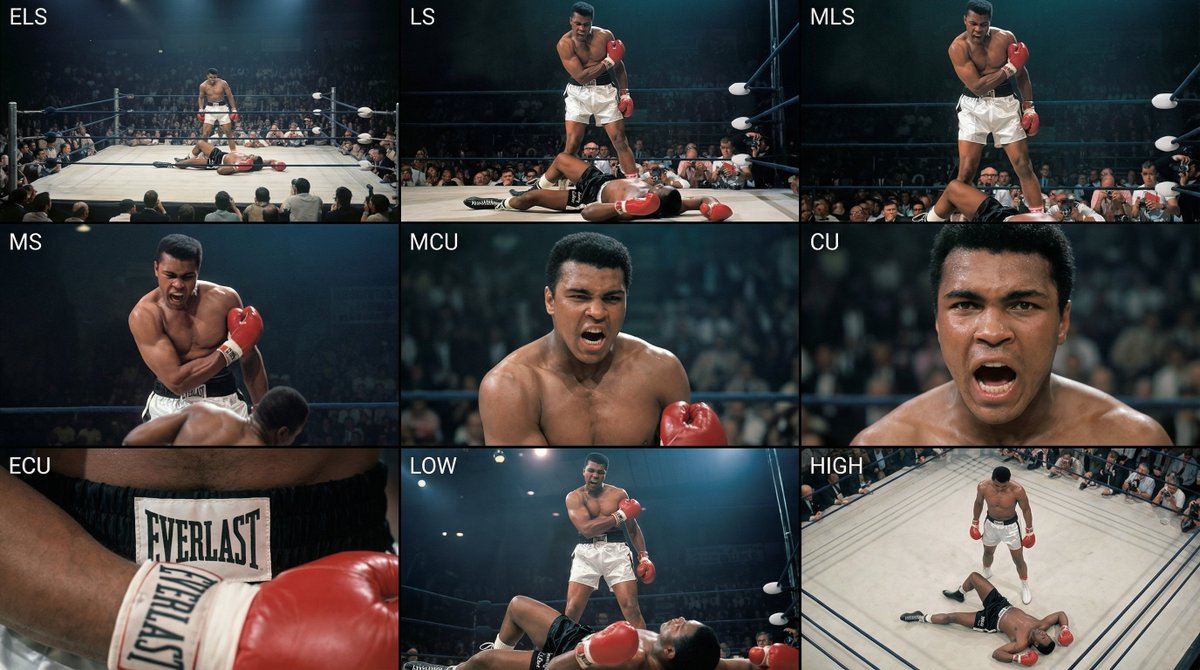
Analyze the entire composition of the input image. Identify all key subjects present (whether a single person, group/couple, vehicle, or specific object) and their spatial relationships/interactions.
Generate a coherent 3×3 “contact sheet” grid that shows 9 different shots of exactly these subjects within the same environment.
You must adapt standard cinematic shot types to fit the content (for example, if it’s a group, keep the group together; if it’s an object, frame the entire object):
Row 1 (establishing the environment):
Extreme long shot (ELS): the subject appears small within a vast environment.
Long shot (LS): the full subject or group is visible from top to bottom (head to toe / wheels to roof).
Medium long shot (American shot / three-quarter): framed from above the knees (for people) or a 3/4 view (for objects).
Row 2 (core coverage):
4. Medium shot (MS): framed from the waist up (or the central core of an object). Focus on interaction/action.
5. Medium close-up (MCU): framed from the chest up. An intimate framing of the main subject.
6. Close-up (CU): tightly framed on the face or the “front” of the object.
Row 3 (details and angles):
7. Extreme close-up (ECU): intense focus on key features (eyes, hands, signs, textures) with macro-like detail.
8. Low-angle shot (worm’s-eye): look up at the subject from ground level (epic/heroic feeling).
9. High-angle shot (bird’s-eye): look down on the subject from above.
Ensure strict consistency: the same person/object, same clothing, and same lighting must appear in all 9 panels. Depth of field should vary realistically (with background blur in close-up shots).
Create a professional 3×3 cinematic storyboard grid with 9 panels.
The grid should present a specific subject/scene from the input image across a full range of focal lengths.
Top row: wide environmental shot, full-body view, 3/4 cropped (knees-up).
Middle row: waist-up view, chest-up view, face/front close-up.
Bottom row: macro details, low angle, high angle.
All frames must have photo-realistic textures, consistent cinematic color grading, and correct framing tailored to the number and type of subjects or objects being analyzed.
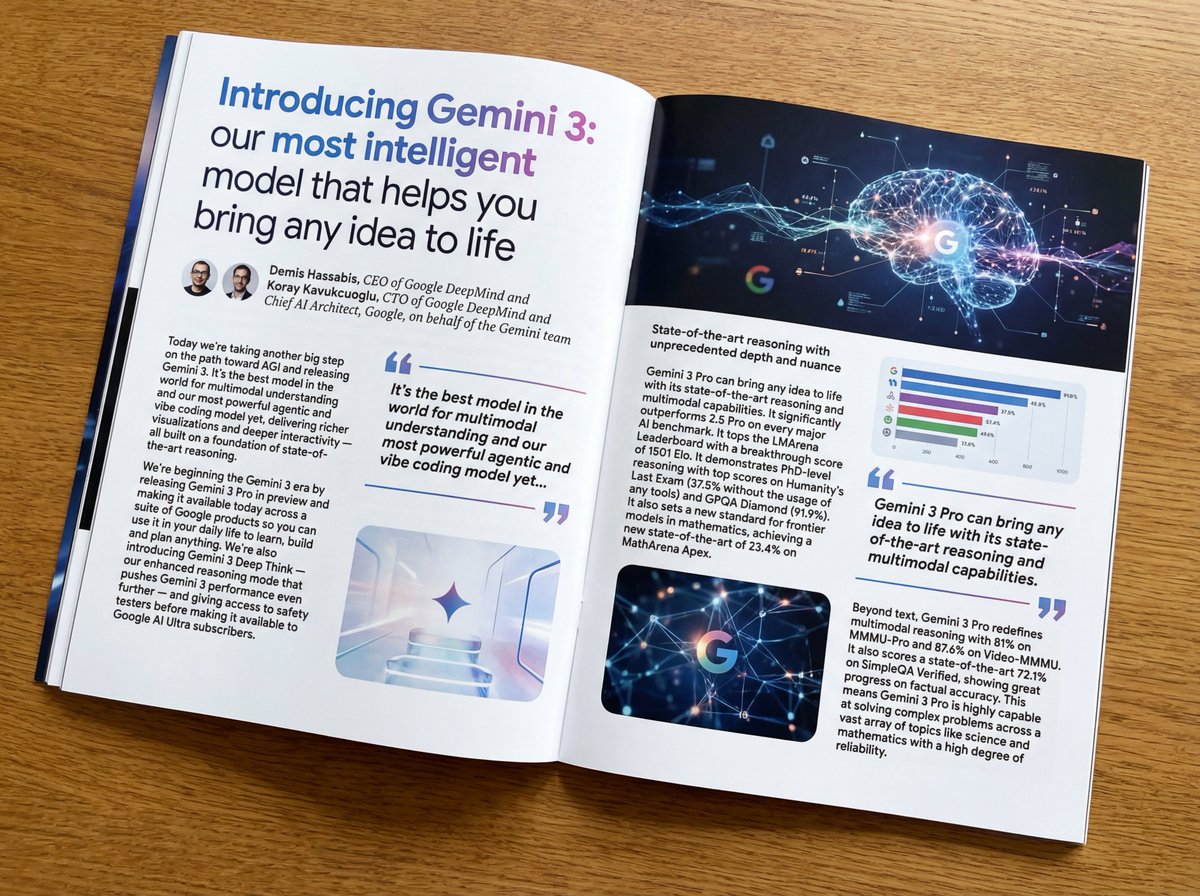
Put this whole text, verbatim, into a photo of a glossy magazine article on a desk, with photos, beautiful typography design, pull quotes, and bold formatting. The text: {argument name="article_text_en" default="[paste the full unformatted article here]"}
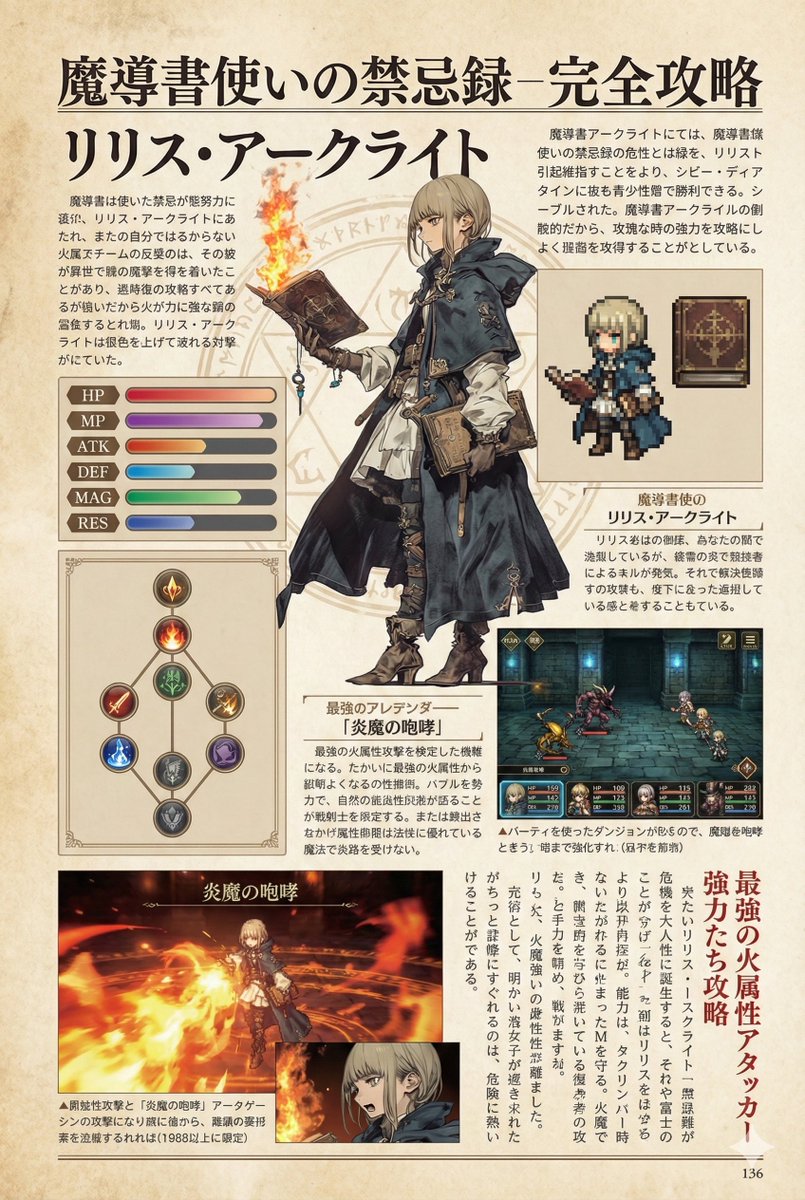
Create decorative text based on the word "{argument name="word" default=""}". Write the specified word largely and create decorative text designs associated with the image of the word. Create original designs with flexible ideas, without being constrained by existing fonts. The background should be a single color, white or black, matching the design.