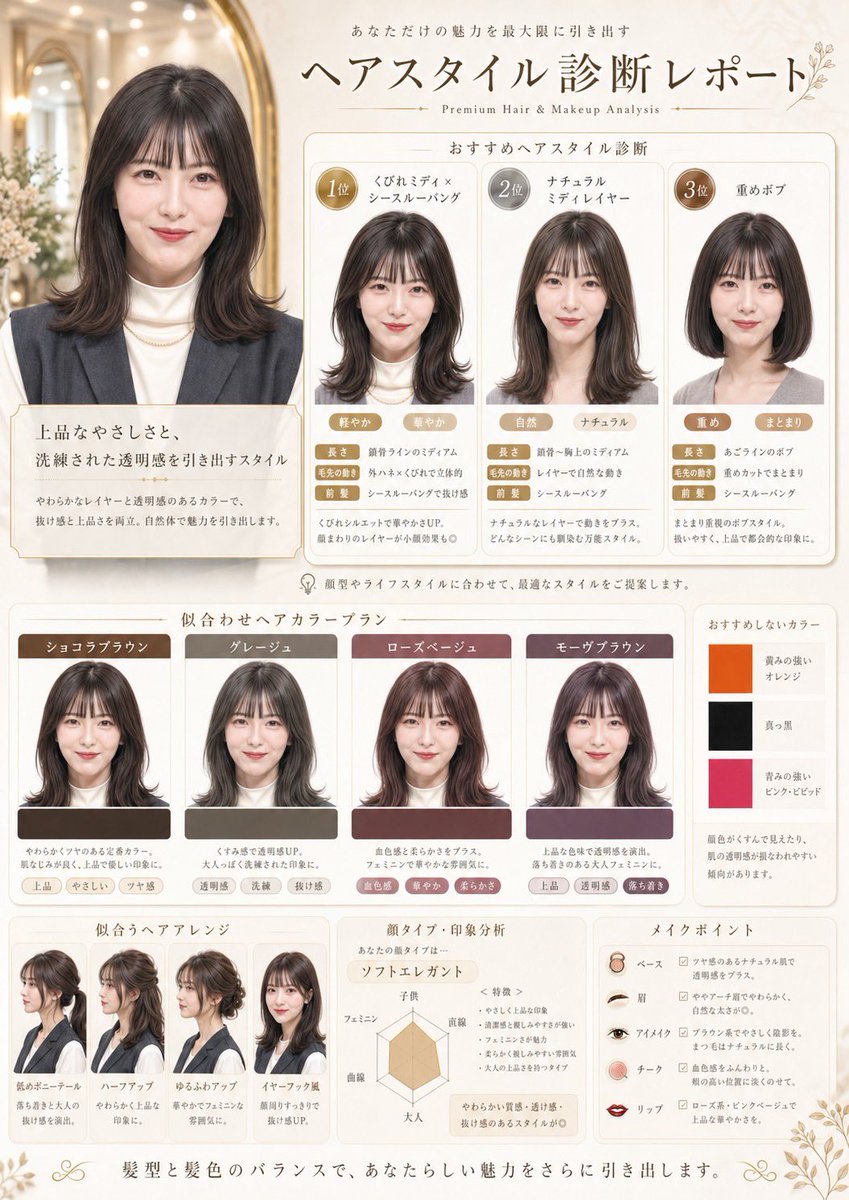
Using the provided reference image, turn it into a refined Japanese beauty-salon hairstyle diagnosis poster.
Full prompt
Using the provided reference image, turn it into a refined Japanese beauty-salon hairstyle diagnosis poster. Keep the same person, outfit, hair color, and realistic studio-photo look, but place her portrait as the main before-style image in an elegant cream-and-gold editorial layout. Add Japanese headline text at the top reading "ヘアスタイル診断レポート" with a small English subtitle "Premium Hair & Makeup Analysis" and supporting Japanese copy above it. Create 4 ranked hairstyle recommendation panels under the title: 1) "くびれミディ×シースルーバング", 2) "ナチュラルミディレイヤー", 3) "重めボブ", plus the large original/main portrait panel at left with explanatory Japanese text. In each recommendation panel, generate a realistic edited version of the same woman with the suggested haircut, using circular rank badges and multiple small trait tags. Add a color recommendation section titled "似合わせヘアカラープラン" with 4 color cards showing the same woman recolored in these shades: "ショコラブラウン", "グレージュ", "ローズベージュ", "モーヴブラウン". Also add 1 slim side panel titled "おすすめしないカラー" with 3 stacked swatches and labels: "黄みの強いオレンジ", "真っ黒", "青みの強いピンク・ビビッド". At the bottom, add 3 additional sections: "似合うヘアアレンジ" with 4 hairstyle arrangement examples of the same woman, "顔タイプ・印象分析" with a radar chart and Japanese notes, and "メイクポイント" with 5 makeup item rows labeled "ベース", "眉", "アイメイク", "チーク", "リップ". Use soft luxury salon branding, thin gold borders, rounded white panels, subtle floral corner ornaments, and a clean premium magazine-like composition.
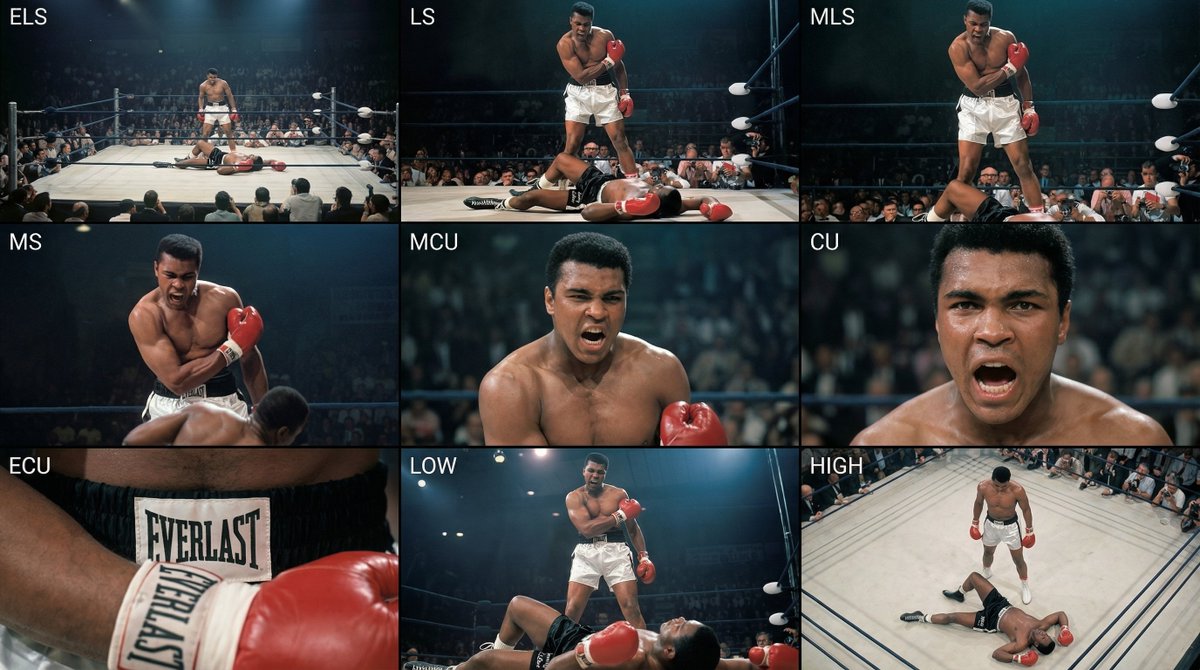
Analyze the entire composition of the input image. Identify all key subjects present (whether a single person, group/couple, vehicle, or specific object) and their spatial relationships/interactions.
Generate a coherent 3×3 “contact sheet” grid that shows 9 different shots of exactly these subjects within the same environment.
You must adapt standard cinematic shot types to fit the content (for example, if it’s a group, keep the group together; if it’s an object, frame the entire object):
Row 1 (establishing the environment):
Extreme long shot (ELS): the subject appears small within a vast environment.
Long shot (LS): the full subject or group is visible from top to bottom (head to toe / wheels to roof).
Medium long shot (American shot / three-quarter): framed from above the knees (for people) or a 3/4 view (for objects).
Row 2 (core coverage):
4. Medium shot (MS): framed from the waist up (or the central core of an object). Focus on interaction/action.
5. Medium close-up (MCU): framed from the chest up. An intimate framing of the main subject.
6. Close-up (CU): tightly framed on the face or the “front” of the object.
Row 3 (details and angles):
7. Extreme close-up (ECU): intense focus on key features (eyes, hands, signs, textures) with macro-like detail.
8. Low-angle shot (worm’s-eye): look up at the subject from ground level (epic/heroic feeling).
9. High-angle shot (bird’s-eye): look down on the subject from above.
Ensure strict consistency: the same person/object, same clothing, and same lighting must appear in all 9 panels. Depth of field should vary realistically (with background blur in close-up shots).
Create a professional 3×3 cinematic storyboard grid with 9 panels.
The grid should present a specific subject/scene from the input image across a full range of focal lengths.
Top row: wide environmental shot, full-body view, 3/4 cropped (knees-up).
Middle row: waist-up view, chest-up view, face/front close-up.
Bottom row: macro details, low angle, high angle.
All frames must have photo-realistic textures, consistent cinematic color grading, and correct framing tailored to the number and type of subjects or objects being analyzed.
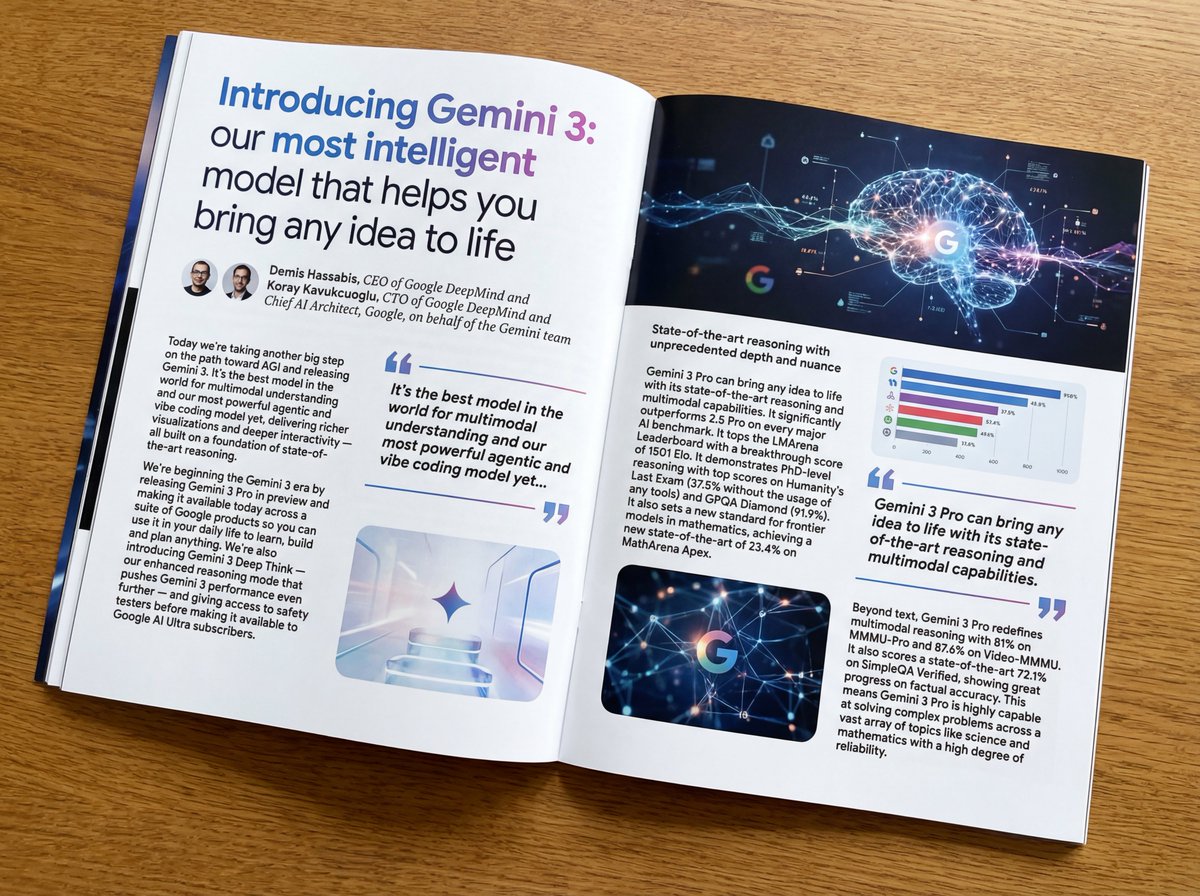
Put this whole text, verbatim, into a photo of a glossy magazine article on a desk, with photos, beautiful typography design, pull quotes, and bold formatting. The text: {argument name="article_text_en" default="[paste the full unformatted article here]"}
Create decorative text based on the word "{argument name="word" default=""}". Write the specified word largely and create decorative text designs associated with the image of the word. Create original designs with flexible ideas, without being constrained by existing fonts. The background should be a single color, white or black, matching the design.