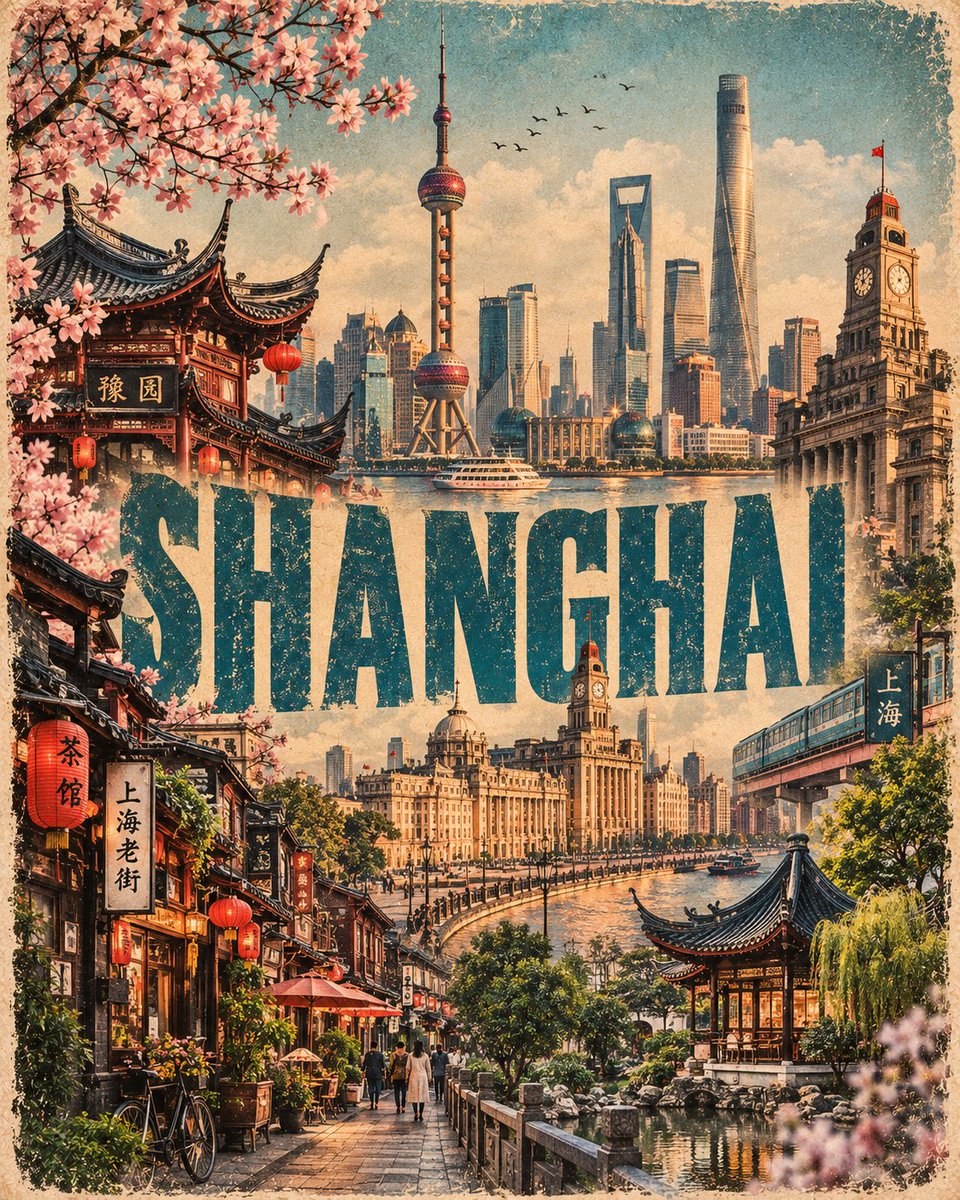
Editorial / Poster
Vintage Indian Tourism Poster
Create a premium vertical editorial travel-art poster inspired by vintage Indian tourism posters and cinematic heritage photography, based on [CITY / COUNTRY / DESTINATION].
Fields you can change: destination, location, place, name.
Full prompt
Create a premium vertical editorial travel-art poster inspired by vintage Indian tourism posters and cinematic heritage photography, based on {argument name="destination" default="[CITY / COUNTRY / DESTINATION]"}.
Build a dramatic layered architectural collage featuring the most recognizable landmarks, monuments, palaces, temples, forts, streets, markets, landscapes, and cultural elements of {argument name="location" default="[CITY / COUNTRY]"}. Arrange the architecture organically from foreground to background, creating a rich sense of depth and scale.
At the top, feature a large historically accurate hero landmark of {argument name="place" default="[CITY / COUNTRY]"}, photographed from a dramatic low or slightly elevated perspective. Preserve its authentic architecture, proportions, textures, stonework, windows, towers, domes, carvings, and surrounding landscape.
Behind and around it, blend additional recognizable local landmarks into the composition as a seamless photographic collage. Include traditional streets, colorful houses, local markets, historic buildings, steps, courtyards, vegetation, birds, and subtle cultural details characteristic of the destination.
TYPOGRAPHY
Place the destination name {argument name="name" default="[CITY / COUNTRY NAME]"} across the central portion in huge bold condensed uppercase typography, inspired by classic mid-century travel posters.
The typography should feel physically integrated into the architecture rather than simply placed over it — partially overlapping buildings and extending behind architectural elements.
Use distressed vintage blue / indigo lettering with subtle faded ink, worn print texture, slight imperfections, and an authentic screen-printed appearance.
COLOR & TEXTURE
Use a sophisticated sepia, warm beige, sandstone, cream and muted blue palette.
Combine:
aged paper texture
subtle film grain
vintage photographic toning
distressed print imperfections
faded ink
slightly weathered edges
soft atmospheric haze
natural shadows
cinematic depth
Keep the architecture predominantly warm monochrome/sepia, while allowing one strong destination-inspired color — such as Rajasthan blue — to become the visual accent.
COMPOSITION
4:5 vertical poster, highly detailed, cinematic editorial composition, layered architectural collage, strong foreground-to-background depth, premium luxury travel magazine aesthetic, nostalgic Indian tourism poster, authentic heritage atmosphere, sophisticated visual hierarchy, dramatic but elegant.
No modern graphic clutter, no random buildings, no distorted architecture, no incorrect landmarks, no excessive text, no cartoon appearance.



