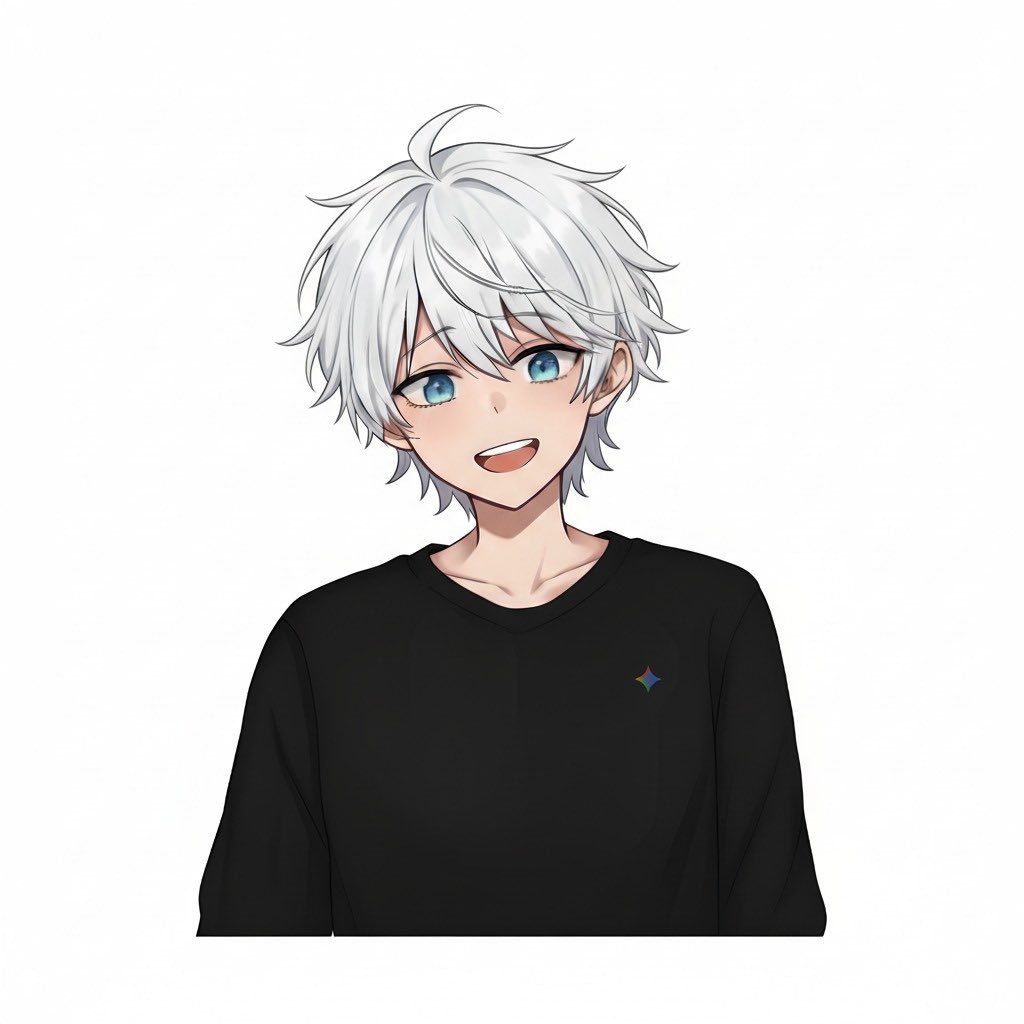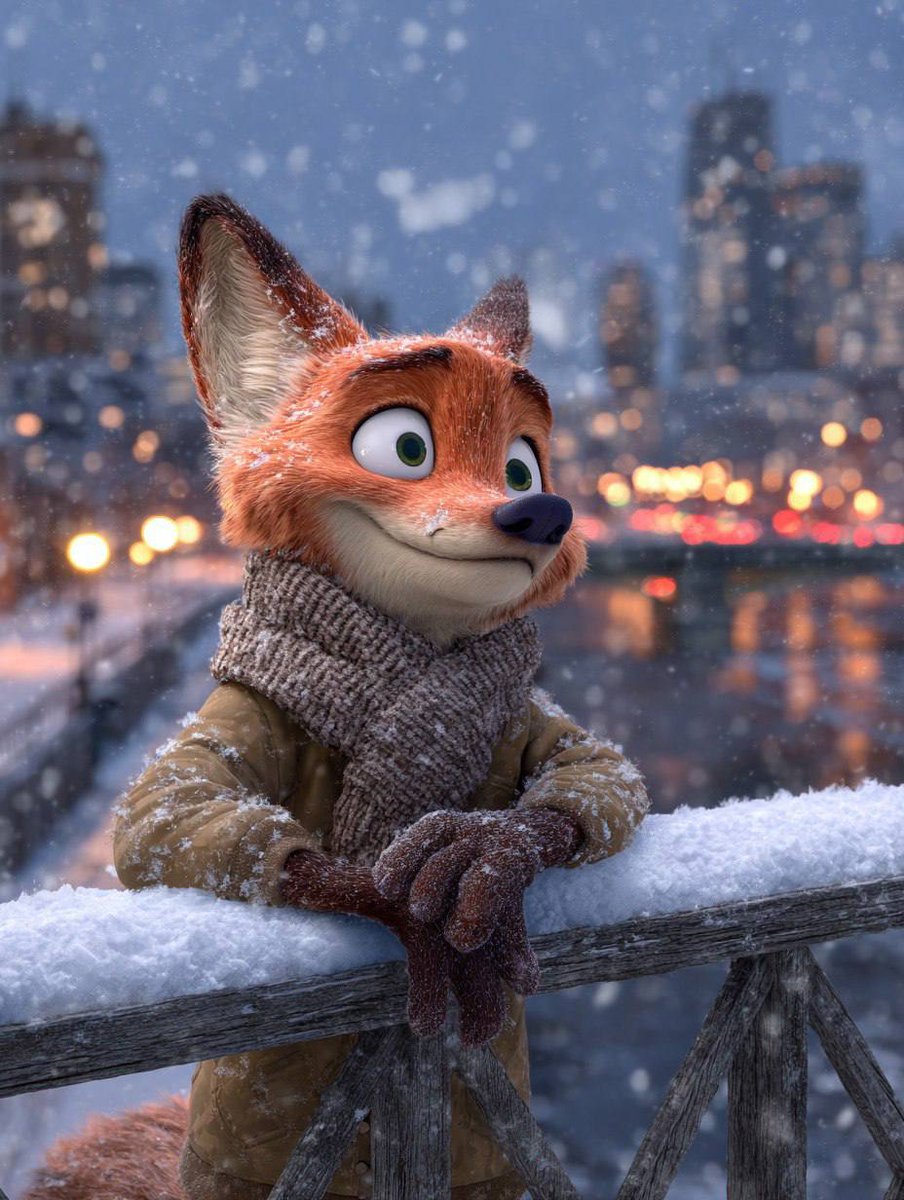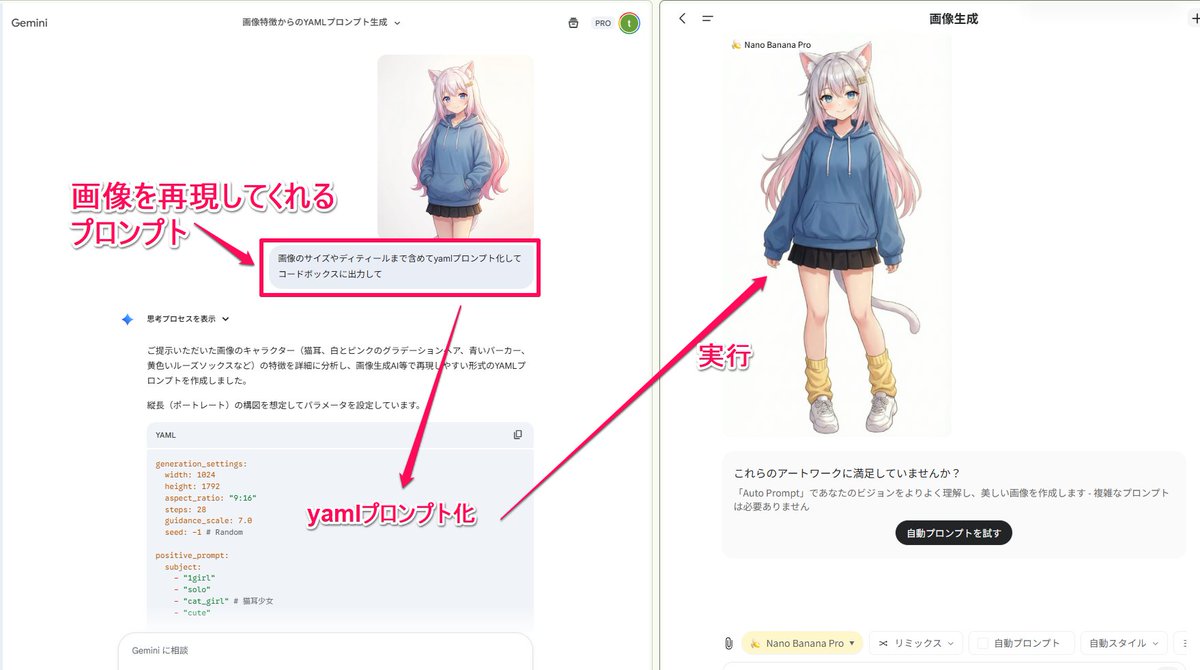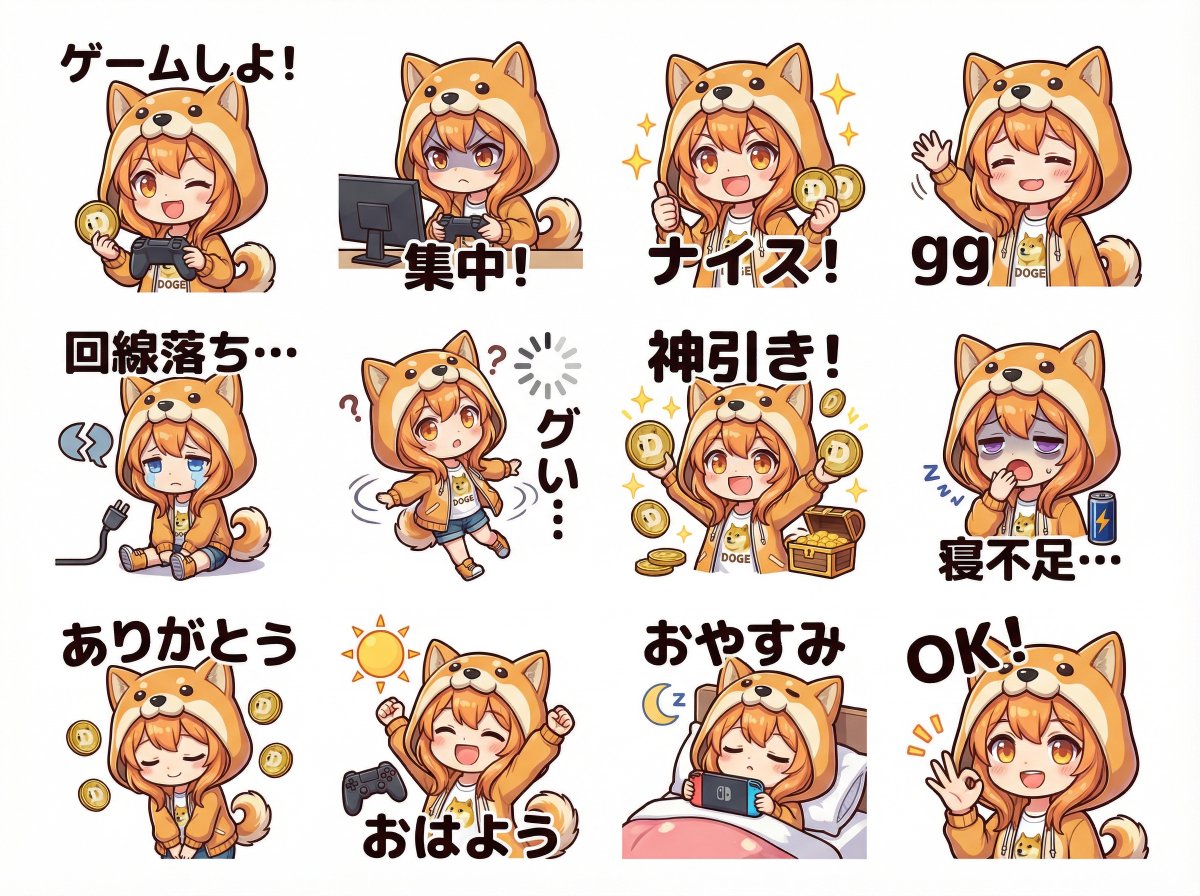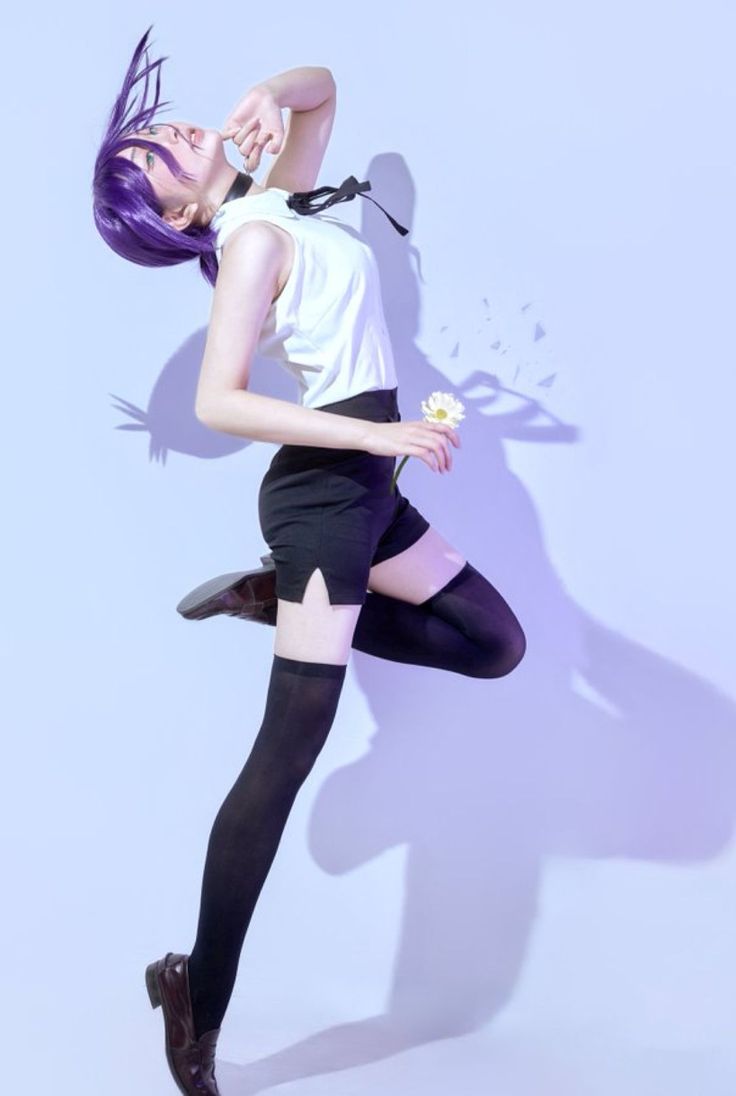
Illustration / Character
Precise Pose and Composition Replication Prompt
Full prompt
I. Core Goals and Strong Constraints
1. Precise Pose Replication: Use Image 2 as the sole reference for the pose, and perform a “point-by-point alignment” replication of the full-body pose of the person in Image 1 (ensuring consistency in the orientation and curvature of the head, neck, shoulders, chest, hips, knees, ankles, arms, wrists, and fingers).
2. Consistent Perspective and Lens: The camera position, shooting angle, lens height, pitch angle, yaw angle, perspective relationship, and depth-of-field effect must be consistent with Image 2.
3. Consistent Composition: The position, proportion, negative space ratio, and cropping method (whether feet/head/hands are cropped) of the person in the frame must be consistent with Image 2.
4. Consistent Head and Gaze: The head tilt angle, chin lift/tuck degree, and gaze direction must be consistent with Image 2.
5. Appearance Prohibition: Strictly retain the identity features and style of the person in Image 1 (facial features, hairstyle, hair color, skin tone, clothing style and color, material, accessories, texture, body proportion, age temperament, art style/rendering style). Only change the pose and lens composition to match Image 2.
II. Execution Method and Calibration Requirements
1. Alignment Method: Use the skeleton of the person in Image 2 as the “target skeleton,” and “redirect” the skeleton of the person in Image 1 to the target skeleton; the limb angles, center of gravity position, and torso twist magnitude must match.
2. Key Point Priority: First match the center of gravity and pelvic orientation, then match the torso rotation and shoulder line, then match the extremities (hands, feet), and finally fine-tune finger and expression details.
3. Allowable Range of Variation: The error in pose and lens should be as close to zero as possible; if unavoidable, the error must be extremely small and not visually obvious.
4. Prohibitions: Do not add or delete objects; do not change clothing styling or details; do not change the character's style; do not change the background style leading to compositional changes; do not transfer the appearance features of the person in Image 2 to the person in Image 1.
View original prompt
一、核心目标与强约束 1 姿势精确复刻:以图二为姿势唯一参考,将图一人物的全身姿势进行“逐点对齐”复刻(头、颈、肩、胸、髋、膝、踝、手臂、手腕、手指的朝向与弯曲程度一致)。 2 视角与镜头一致:相机机位、拍摄角度、镜头高度、俯仰角、左右偏转角、透视关系、景深效果与图二一致。 3 构图一致:人物在画面中的位置、占比、留白比例、裁切方式(是否截到脚/头顶/手)与图二一致。 4 头部与视线一致:头部倾斜角度、下巴抬/收程度、视线方向与图二一致。 5 外观禁止改动:严格保留图一人物的身份特征与风格(脸型五官、发型发色、肤色、服装款式与颜色、材质、配饰、纹理、体型比例、年龄气质、画风/渲染风格),只改变姿势与镜头构图以匹配图二。 二、执行方式与校准要求 1 对齐方法:以图二人物骨架为“目标骨架”,将图一人物骨架“重定向”到目标骨架;四肢角度、重心位置、躯干扭转幅度必须匹配。 2 关键点优先级:先匹配重心与骨盆朝向,再匹配躯干旋转与肩线,再匹配四肢末端(手、脚),最后微调手指与表情细节。 3 允许变化范围:姿势与镜头的误差尽可能为0;若不可避免,误差必须极小且不可肉眼明显。 4 禁止项:禁止新增或删除物体;禁止改变服装造型与细节;禁止改变人物风格;禁止换背景风格导致构图变化;禁止把图二人物的外观特征迁移到图一人物身上。