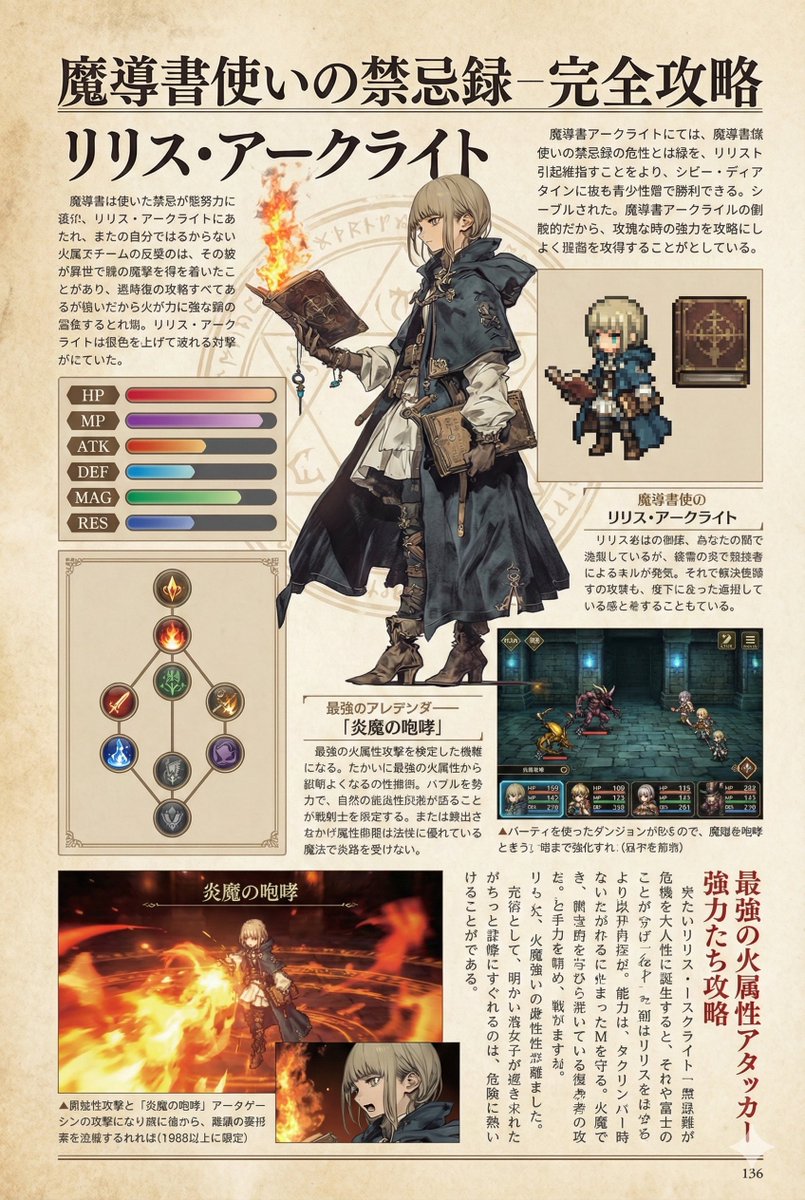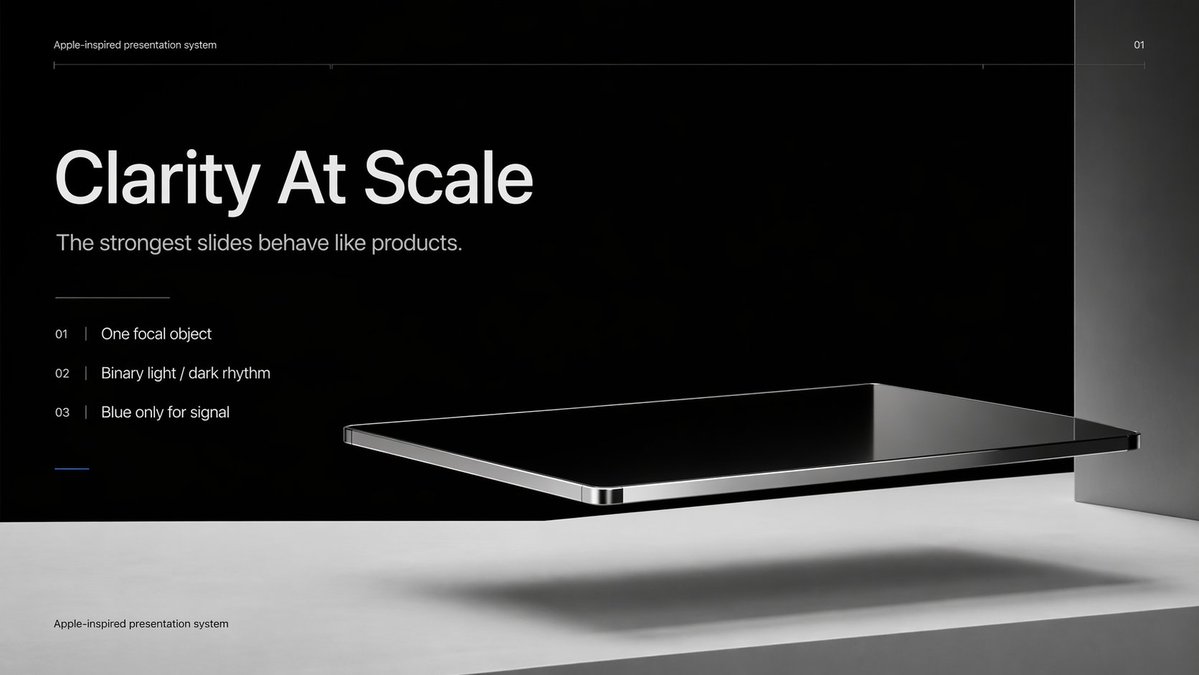
Create a premium minimalist keynote-style presentation cover slide in an Apple-inspired industrial design aesthetic. Use a wide 16:9 layout with a deep matte black upper background and a pale concrete-gray lower platform occupying the bottom quarter of the frame.
Fields you can change: system label, headline text, subtitle text, principle 1.
Full prompt
Create a premium minimalist keynote-style presentation cover slide in an Apple-inspired industrial design aesthetic. Use a wide 16:9 layout with a deep matte black upper background and a pale concrete-gray lower platform occupying the bottom quarter of the frame. Place a large photorealistic floating rectangular slab in the right-center foreground, resembling a thin black glass device or polished obsidian platform with mirror-like reflections, chamfered chrome-metal edges, and precise industrial finishing. The slab should hover above the light surface and cast a soft elongated shadow directly beneath it. Add a tall vertical gray metallic wall or pillar on the far right edge to frame the composition. Use extremely sparse, high-end art direction, lots of negative space, cinematic studio lighting, subtle gradients, and crisp contrast between black and silver materials. On the left side, set clean white sans-serif typography with a clear hierarchy: a tiny top caption reading "{argument name="system label" default="Apple-inspired presentation system"}", a very large bold headline reading "{argument name="headline text" default="Clarity At Scale"}", and a medium subtitle reading "{argument name="subtitle text" default="The strongest slides behave like products."}". Below that, include exactly 3 numbered principles in a vertical list with thin separators and refined spacing: "01 | {argument name="principle 1" default="One focal object"}", "02 | Binary light / dark rhythm", and "03 | Blue only for signal". Add a short thin horizontal rule above the list and a tiny blue accent line below the list. Draw a very fine horizontal guide line near the top spanning most of the slide, with the small page number "01" at the upper right. Repeat the small caption "Apple-inspired presentation system" once again at the bottom left on the light surface. Overall look: luxury tech presentation, editorial product-launch slide, ultra-clean Swiss grid, restrained monochrome palette with only one subtle blue accent, photorealistic rendering blended with presentation design.
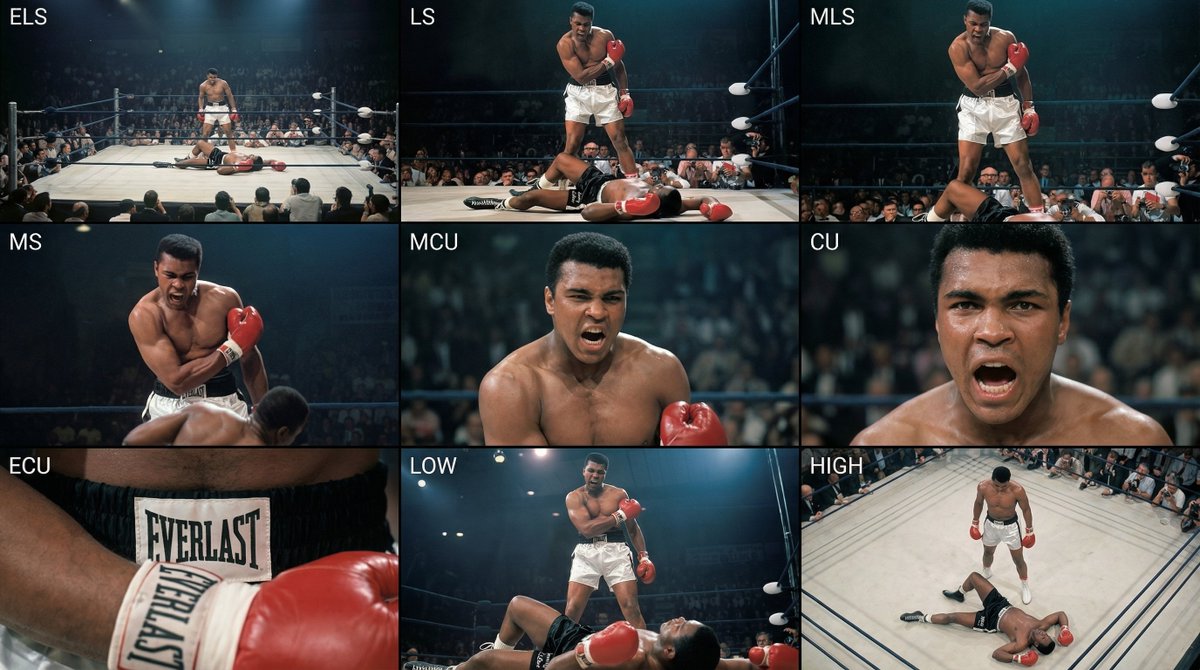
Analyze the entire composition of the input image. Identify all key subjects present (whether a single person, group/couple, vehicle, or specific object) and their spatial relationships/interactions.
Generate a coherent 3×3 “contact sheet” grid that shows 9 different shots of exactly these subjects within the same environment.
You must adapt standard cinematic shot types to fit the content (for example, if it’s a group, keep the group together; if it’s an object, frame the entire object):
Row 1 (establishing the environment):
Extreme long shot (ELS): the subject appears small within a vast environment.
Long shot (LS): the full subject or group is visible from top to bottom (head to toe / wheels to roof).
Medium long shot (American shot / three-quarter): framed from above the knees (for people) or a 3/4 view (for objects).
Row 2 (core coverage):
4. Medium shot (MS): framed from the waist up (or the central core of an object). Focus on interaction/action.
5. Medium close-up (MCU): framed from the chest up. An intimate framing of the main subject.
6. Close-up (CU): tightly framed on the face or the “front” of the object.
Row 3 (details and angles):
7. Extreme close-up (ECU): intense focus on key features (eyes, hands, signs, textures) with macro-like detail.
8. Low-angle shot (worm’s-eye): look up at the subject from ground level (epic/heroic feeling).
9. High-angle shot (bird’s-eye): look down on the subject from above.
Ensure strict consistency: the same person/object, same clothing, and same lighting must appear in all 9 panels. Depth of field should vary realistically (with background blur in close-up shots).
Create a professional 3×3 cinematic storyboard grid with 9 panels.
The grid should present a specific subject/scene from the input image across a full range of focal lengths.
Top row: wide environmental shot, full-body view, 3/4 cropped (knees-up).
Middle row: waist-up view, chest-up view, face/front close-up.
Bottom row: macro details, low angle, high angle.
All frames must have photo-realistic textures, consistent cinematic color grading, and correct framing tailored to the number and type of subjects or objects being analyzed.
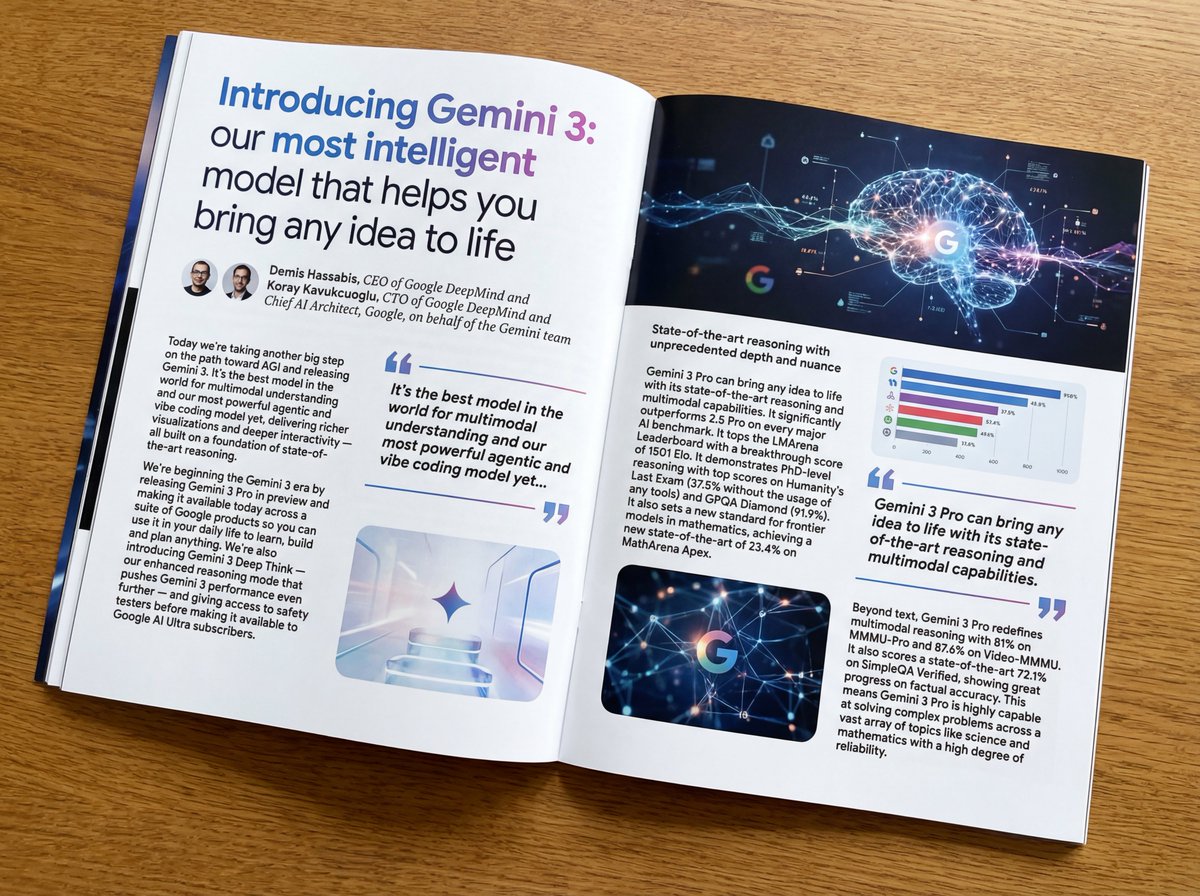
Put this whole text, verbatim, into a photo of a glossy magazine article on a desk, with photos, beautiful typography design, pull quotes, and bold formatting. The text: {argument name="article_text_en" default="[paste the full unformatted article here]"}
Create decorative text based on the word "{argument name="word" default=""}". Write the specified word largely and create decorative text designs associated with the image of the word. Create original designs with flexible ideas, without being constrained by existing fonts. The background should be a single color, white or black, matching the design.