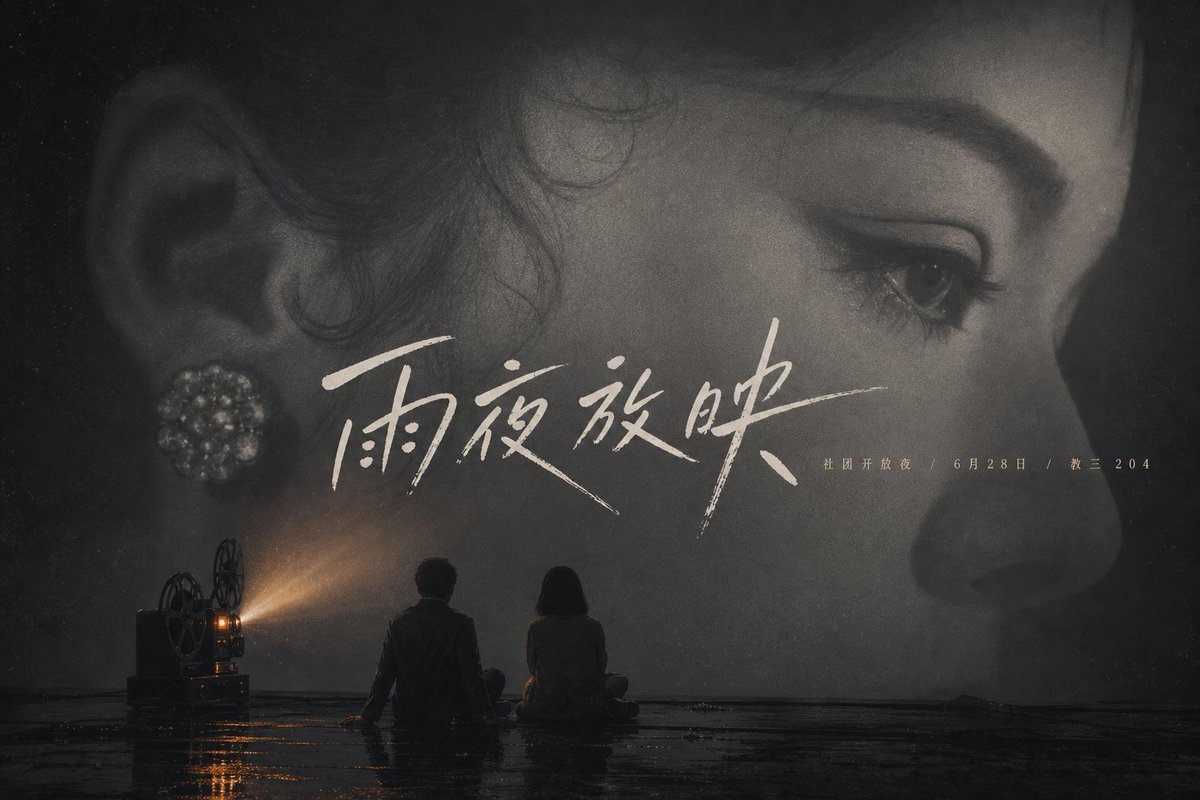
Create a cinematic monochrome Chinese movie poster in a dark, rainy, nostalgic style. The canvas is a wide horizontal 3:2 poster.
Fields you can change: title text, release info.
Full prompt
Create a cinematic monochrome Chinese movie poster in a dark, rainy, nostalgic style. The canvas is a wide horizontal 3:2 poster. Show an enormous close-up profile of an elegant woman's face filling the entire background, cropped so her ear with a round pearl-like floral earring is on the left, her eye and eyelashes are near the upper right, and her nose and lips fade into shadow on the far right. Use soft black-and-white film grain, smoky haze, high contrast shadows, and a vintage 1930s melodrama mood. In the lower left, place an old film projector with visible reels, projecting a warm amber beam of light across the scene. In the bottom center foreground, show exactly 2 small human silhouettes sitting on a wet reflective floor facing the projection: 1 young man on the left and 1 young woman on the right, both seen from behind. Add subtle rainwater reflections and a thin horizon line at the floor. Across the middle-left to center, overlay large expressive handwritten Chinese calligraphy title text reading {argument name="title text" default="雨夜放映"}, in off-white brush strokes with long sweeping lines. To the right of the title, add small spaced Chinese release information reading {argument name="release info" default="社团开放夜 / 6月28日 / 教三 204"}. Keep the typography elegant, sparse, and integrated into the face. Color palette should be mostly charcoal black, muted gray, and ivory, with the projector beam as the only warm orange accent. No extra logos, no borders, no additional characters, no modern digital elements.
Analyze the entire composition of the input image. Identify all key subjects present (whether a single person, group/couple, vehicle, or specific object) and their spatial relationships/interactions.
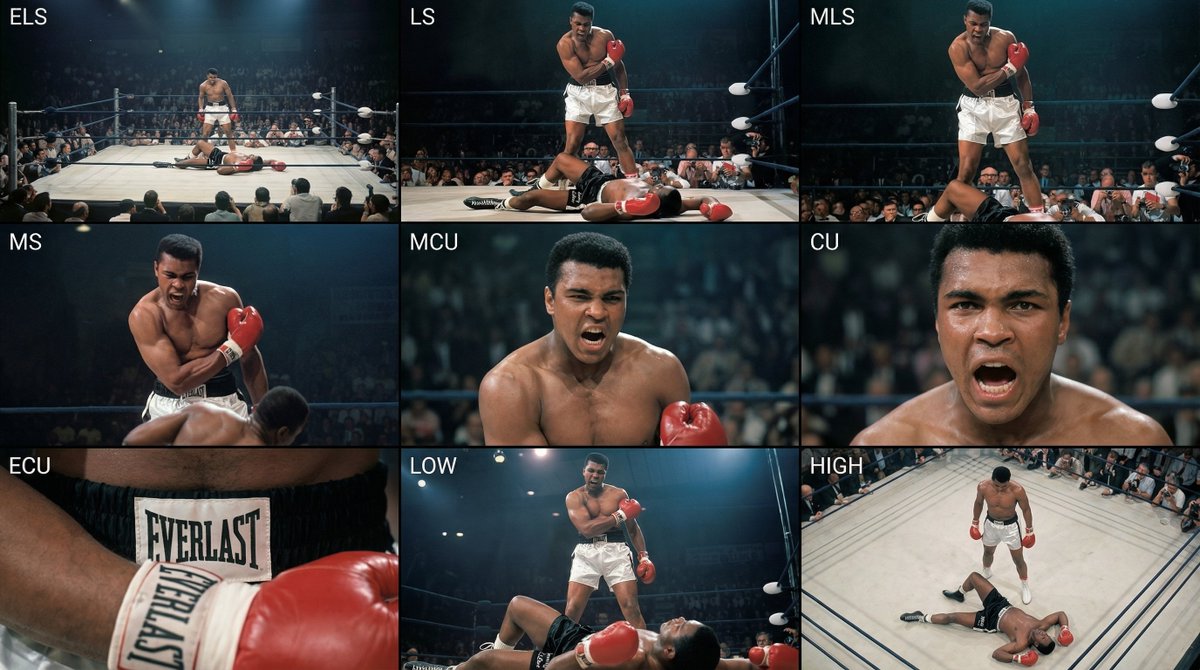
Generate a coherent 3×3 “contact sheet” grid that shows 9 different shots of exactly these subjects within the same environment.
You must adapt standard cinematic shot types to fit the content (for example, if it’s a group, keep the group together; if it’s an object, frame the entire object):
Row 1 (establishing the environment):
Extreme long shot (ELS): the subject appears small within a vast environment.
Long shot (LS): the full subject or group is visible from top to bottom (head to toe / wheels to roof).
Medium long shot (American shot / three-quarter): framed from above the knees (for people) or a 3/4 view (for objects).
Row 2 (core coverage):
4. Medium shot (MS): framed from the waist up (or the central core of an object). Focus on interaction/action.
5. Medium close-up (MCU): framed from the chest up. An intimate framing of the main subject.
6. Close-up (CU): tightly framed on the face or the “front” of the object.
Row 3 (details and angles):
7. Extreme close-up (ECU): intense focus on key features (eyes, hands, signs, textures) with macro-like detail.
8. Low-angle shot (worm’s-eye): look up at the subject from ground level (epic/heroic feeling).
9. High-angle shot (bird’s-eye): look down on the subject from above.
Ensure strict consistency: the same person/object, same clothing, and same lighting must appear in all 9 panels. Depth of field should vary realistically (with background blur in close-up shots).
Create a professional 3×3 cinematic storyboard grid with 9 panels.
The grid should present a specific subject/scene from the input image across a full range of focal lengths.
Top row: wide environmental shot, full-body view, 3/4 cropped (knees-up).
Middle row: waist-up view, chest-up view, face/front close-up.
Bottom row: macro details, low angle, high angle.
All frames must have photo-realistic textures, consistent cinematic color grading, and correct framing tailored to the number and type of subjects or objects being analyzed.
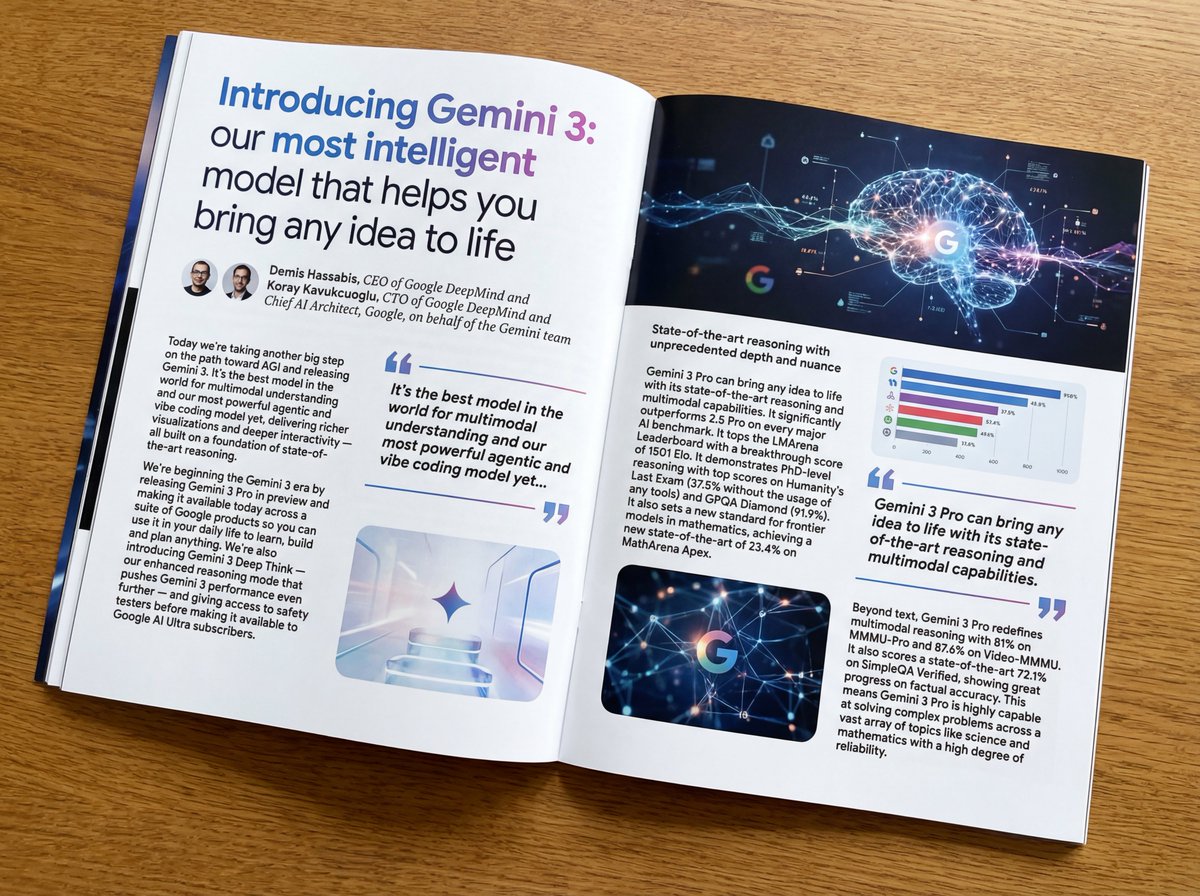
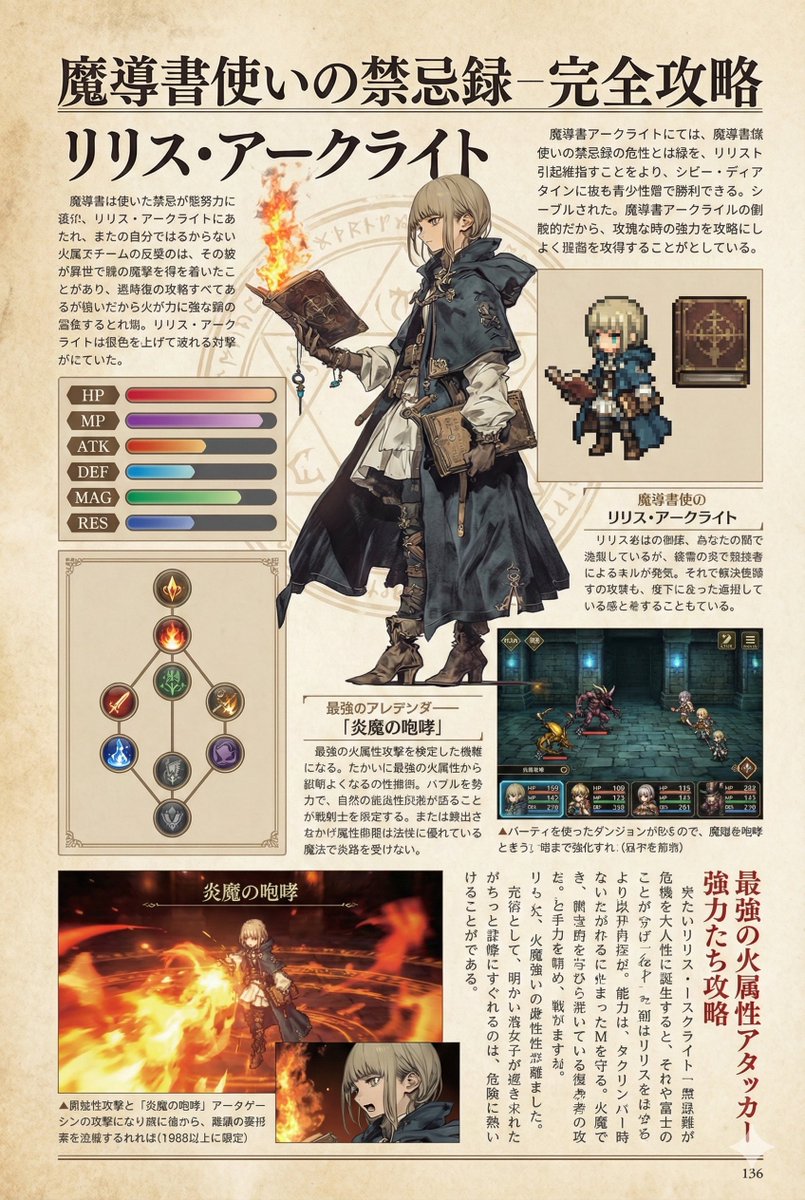
Put this whole text, verbatim, into a photo of a glossy magazine article on a desk, with photos, beautiful typography design, pull quotes, and bold formatting. The text: {argument name="article_text_en" default="[paste the full unformatted article here]"}
Create decorative text based on the word "{argument name="word" default=""}". Write the specified word largely and create decorative text designs associated with the image of the word. Create original designs with flexible ideas, without being constrained by existing fonts. The background should be a single color, white or black, matching the design.