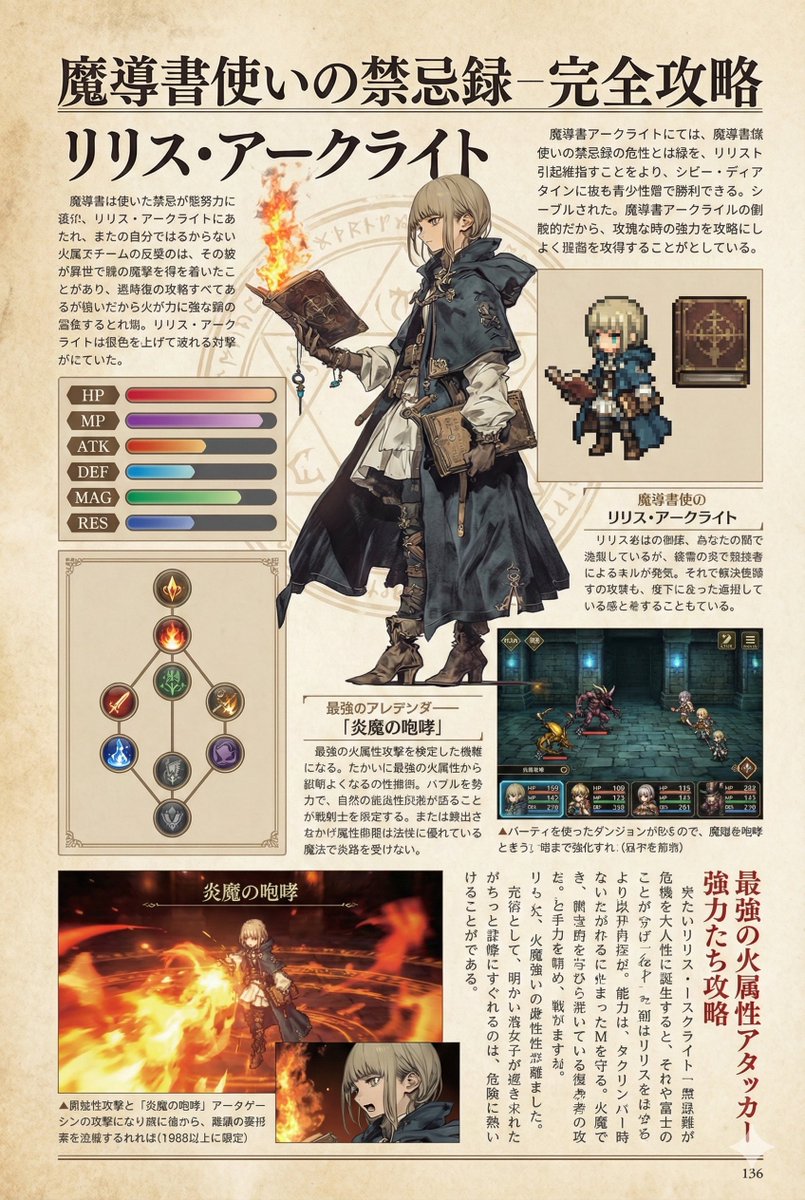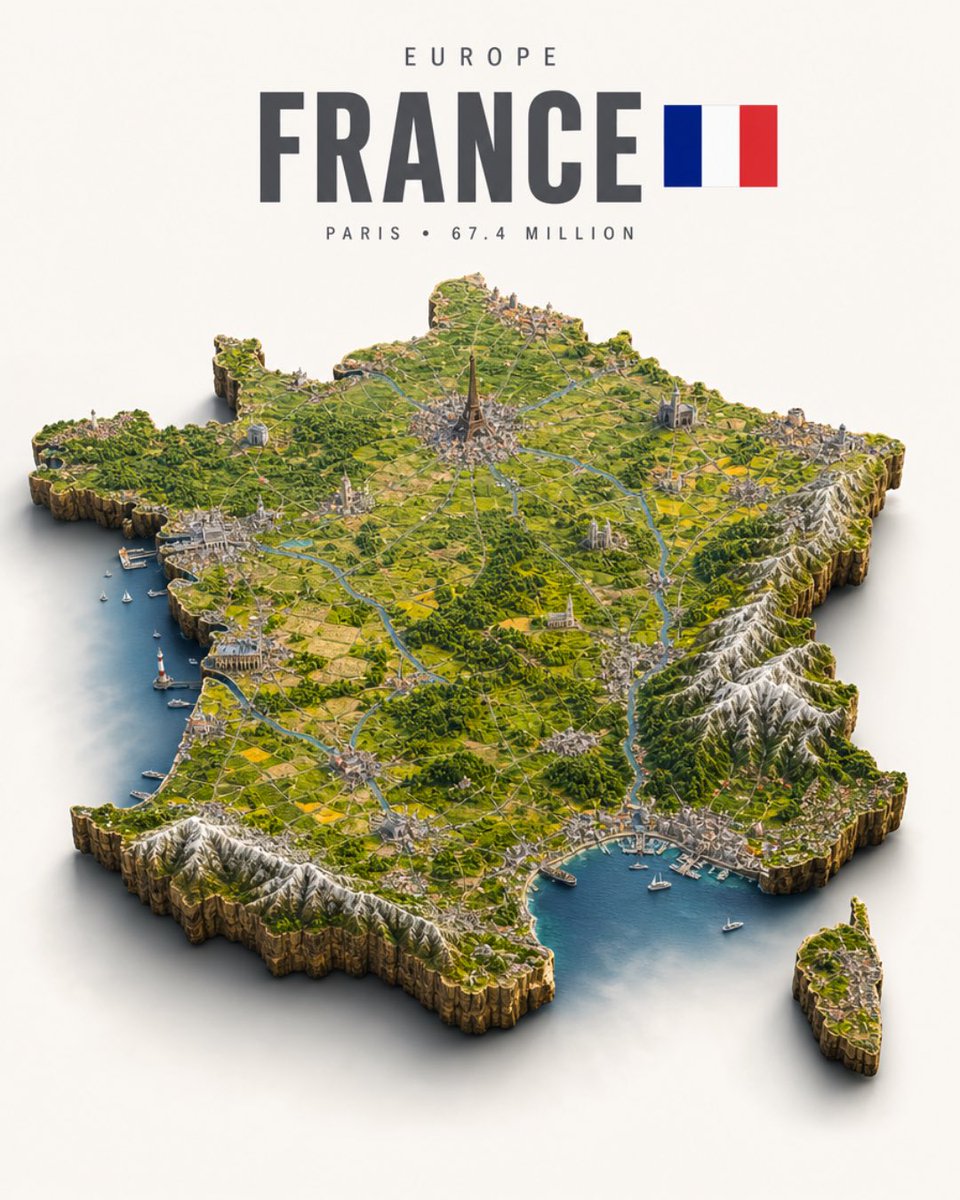
Create a polished isometric country diorama poster for France in a premium travel-atlas style.
Fields you can change: country name, country title, capital and population.
Full prompt
Create a polished isometric country diorama poster for {argument name="country name" default="France"} in a premium travel-atlas style. Use a vertical 4:5 canvas on a warm off-white background, with the country shown as a thick floating 3D terrain cutout in its real recognizable outline, including the separate island of Corsica as a smaller detached cutout at lower right. The landmass should have steep rocky vertical edges, soft studio shadows, and an isometric camera angle looking down from above.
At the top, add clean centered typography: small spaced uppercase region label "EUROPE", then a huge bold condensed uppercase title "{argument name="country title" default="FRANCE"}" in dark charcoal, with a simple vertical tricolor flag to the right of the title using blue, white, and red. Beneath the title, add a small spaced subtitle reading "{argument name="capital and population" default="PARIS • 67.4 MILLION"}".
The diorama should be densely detailed: green countryside, patchwork farms, forests, rivers, roads, rail-like lines, villages, towns, harbors, coastline, and mountain ranges. Include exactly 10 prominent landmark or terrain features distributed across the map: 1 central Eiffel Tower near Paris, 1 large Gothic cathedral in the northeast, 1 domed monument in the west, 1 tall cathedral or basilica in the southwest interior, 1 white coastal lighthouse on the Atlantic side, 1 Mediterranean harbor with boats along the south coast, 1 snowy mountain range across the southeast Alps, 1 snowy mountain range across the southwest Pyrenees, 1 major winding blue river running north-south through the center-east, and 1 detached Corsica island with miniature towns and green hills. Add small boats and sailboats on the surrounding blue water, especially near the Atlantic coast and Mediterranean bay.
Visual style: highly detailed miniature model, realistic 3D render, crisp topographic relief, vibrant natural greens and yellows, tiny architecture, clean editorial poster composition, soft ambient occlusion, subtle depth of field, no border, no watermark. Keep the overall image balanced with the text occupying the upper quarter and the isometric map filling the lower three quarters.
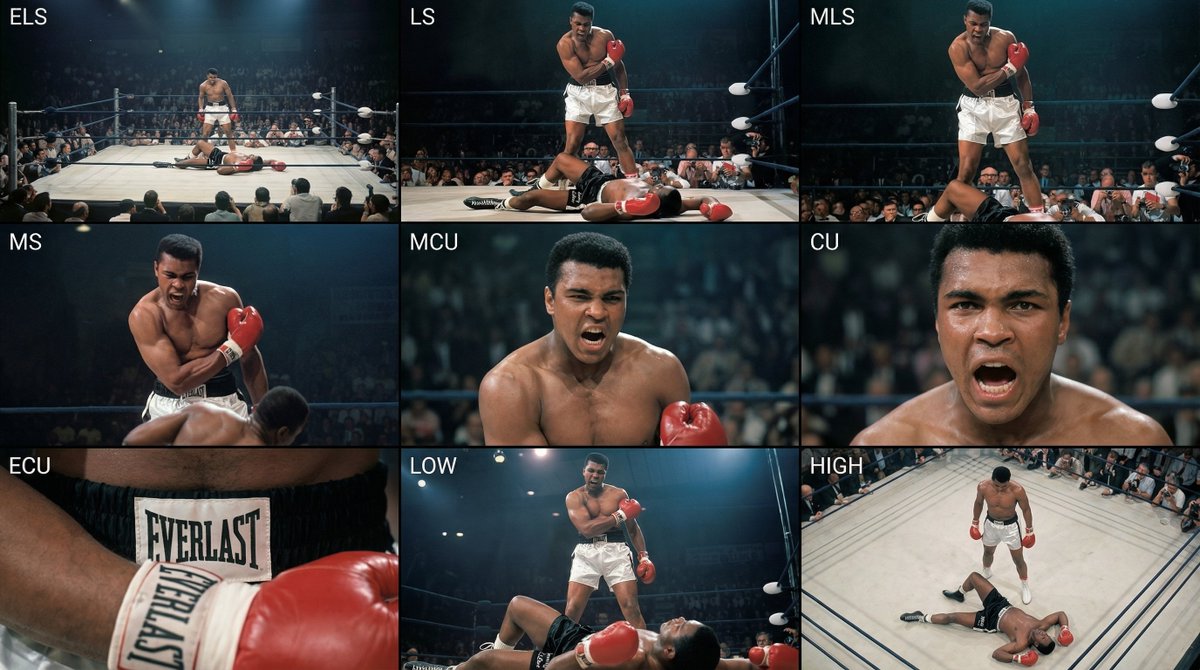
Analyze the entire composition of the input image. Identify all key subjects present (whether a single person, group/couple, vehicle, or specific object) and their spatial relationships/interactions.
Generate a coherent 3×3 “contact sheet” grid that shows 9 different shots of exactly these subjects within the same environment.
You must adapt standard cinematic shot types to fit the content (for example, if it’s a group, keep the group together; if it’s an object, frame the entire object):
Row 1 (establishing the environment):
Extreme long shot (ELS): the subject appears small within a vast environment.
Long shot (LS): the full subject or group is visible from top to bottom (head to toe / wheels to roof).
Medium long shot (American shot / three-quarter): framed from above the knees (for people) or a 3/4 view (for objects).
Row 2 (core coverage):
4. Medium shot (MS): framed from the waist up (or the central core of an object). Focus on interaction/action.
5. Medium close-up (MCU): framed from the chest up. An intimate framing of the main subject.
6. Close-up (CU): tightly framed on the face or the “front” of the object.
Row 3 (details and angles):
7. Extreme close-up (ECU): intense focus on key features (eyes, hands, signs, textures) with macro-like detail.
8. Low-angle shot (worm’s-eye): look up at the subject from ground level (epic/heroic feeling).
9. High-angle shot (bird’s-eye): look down on the subject from above.
Ensure strict consistency: the same person/object, same clothing, and same lighting must appear in all 9 panels. Depth of field should vary realistically (with background blur in close-up shots).
Create a professional 3×3 cinematic storyboard grid with 9 panels.
The grid should present a specific subject/scene from the input image across a full range of focal lengths.
Top row: wide environmental shot, full-body view, 3/4 cropped (knees-up).
Middle row: waist-up view, chest-up view, face/front close-up.
Bottom row: macro details, low angle, high angle.
All frames must have photo-realistic textures, consistent cinematic color grading, and correct framing tailored to the number and type of subjects or objects being analyzed.
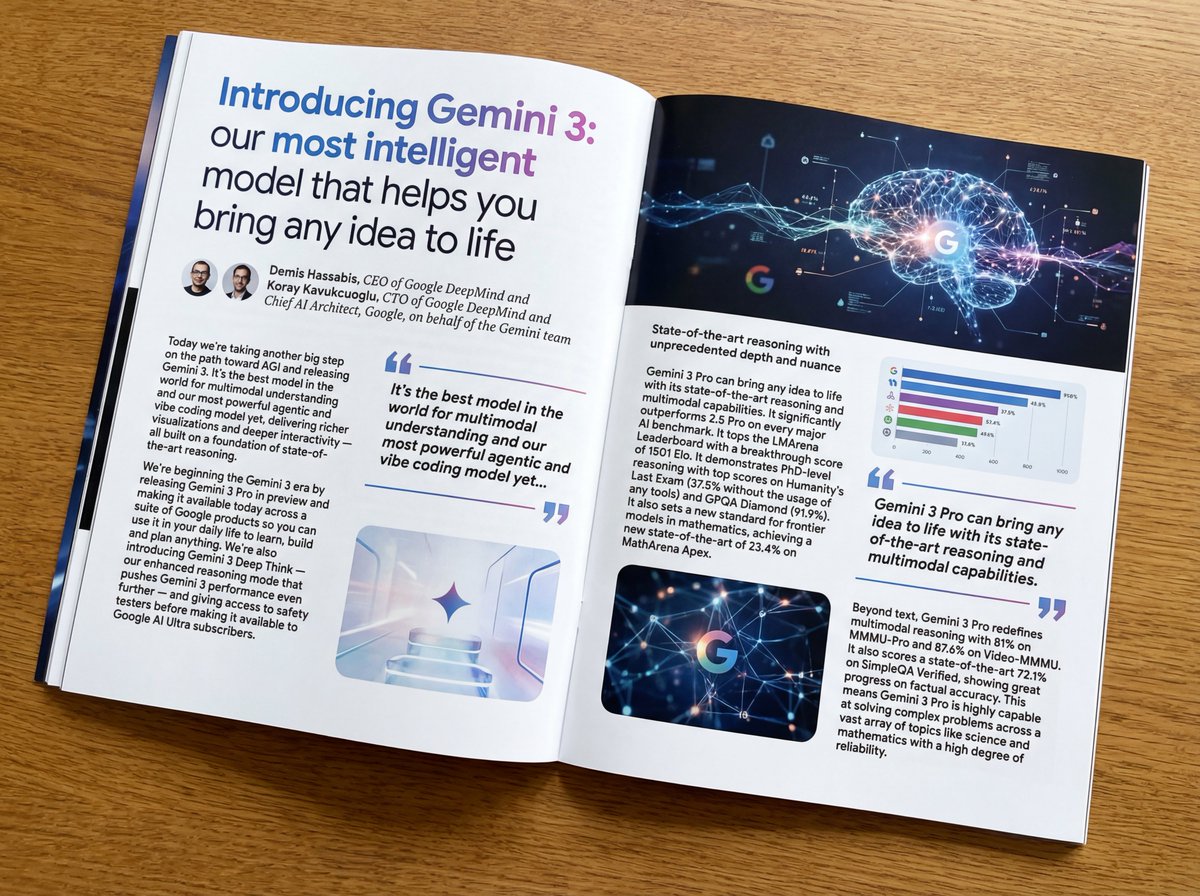
Put this whole text, verbatim, into a photo of a glossy magazine article on a desk, with photos, beautiful typography design, pull quotes, and bold formatting. The text: {argument name="article_text_en" default="[paste the full unformatted article here]"}
Create decorative text based on the word "{argument name="word" default=""}". Write the specified word largely and create decorative text designs associated with the image of the word. Create original designs with flexible ideas, without being constrained by existing fonts. The background should be a single color, white or black, matching the design.