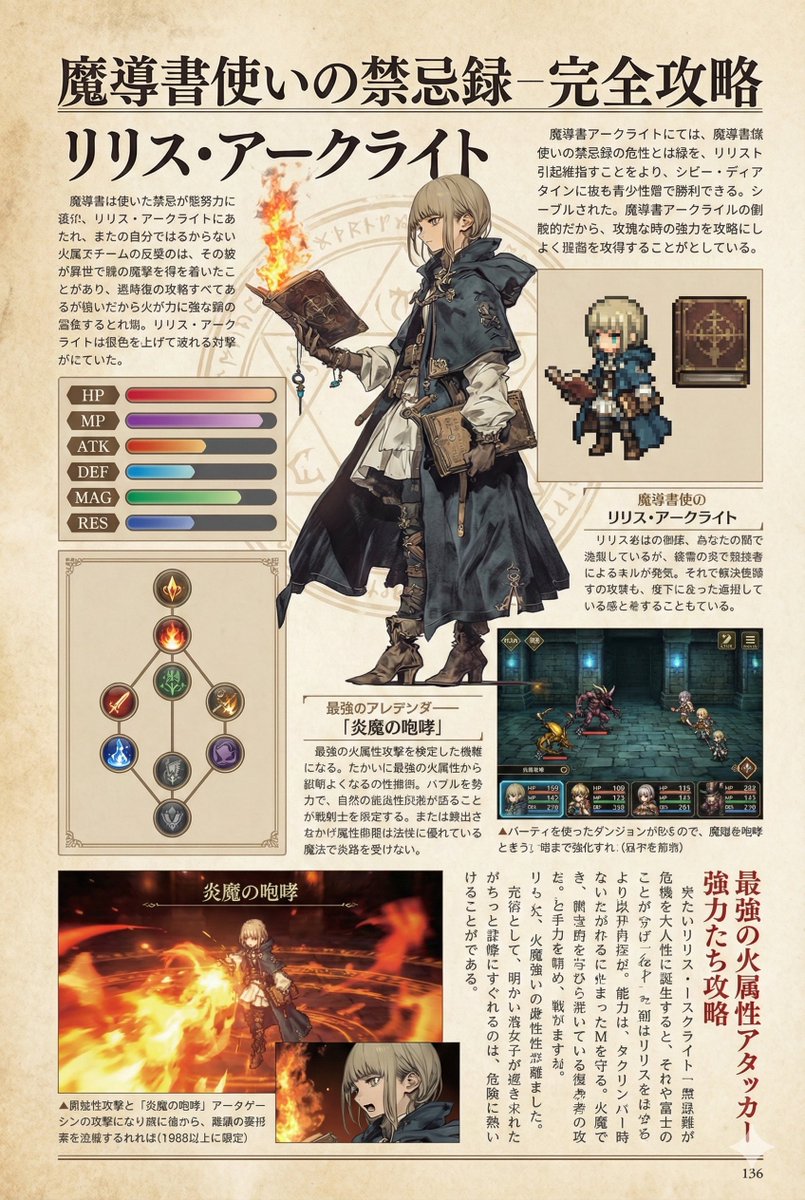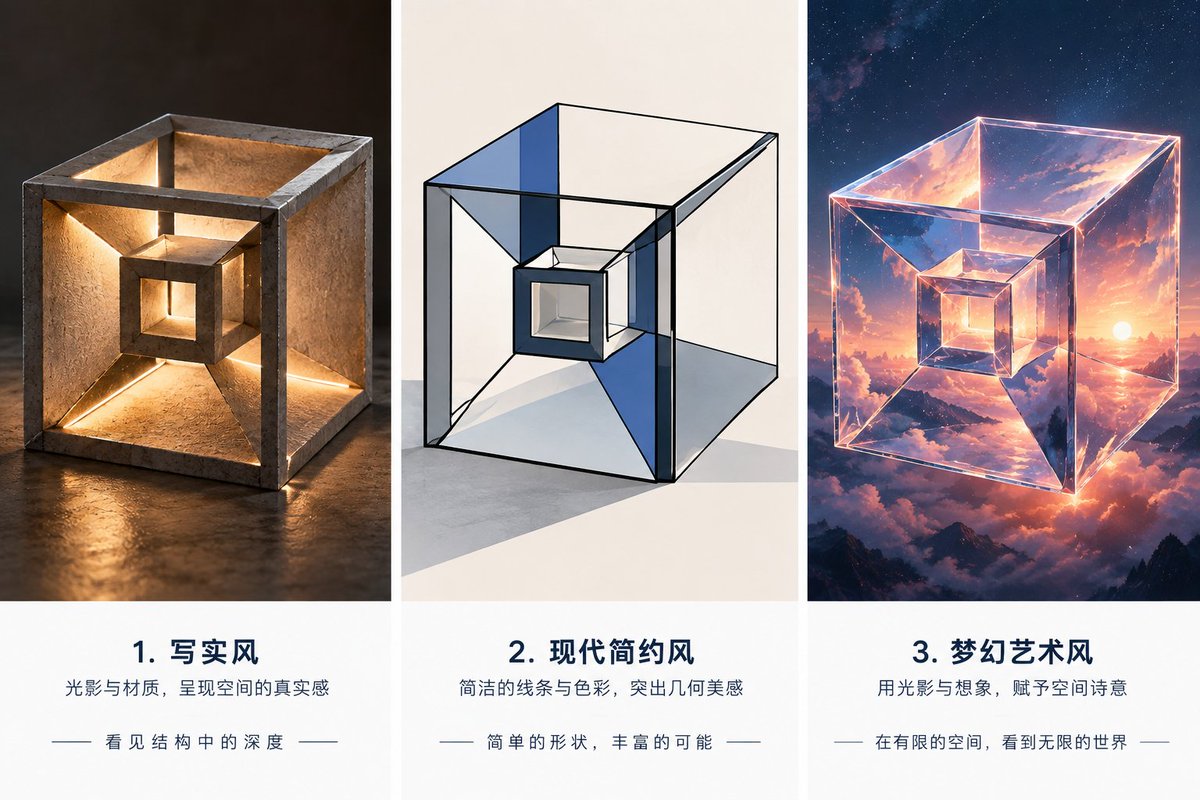
Using the provided reference image as the geometric base, turn the rough hand-drawn nested cube/tunnel form into a polished three-column style exploration poster.
Fields you can change: first panel title, second panel title, third panel title.
Full prompt
Using the provided reference image as the geometric base, turn the rough hand-drawn nested cube/tunnel form into a polished three-column style exploration poster. Keep the same core structure: an outer cube frame with inward sloping faces leading to a smaller centered cube opening. Create exactly 3 vertical panels separated by white gutters, each showing the same object interpreted in a different visual style, with a caption block underneath each image.
Canvas and layout: Wide horizontal poster, 3 equal columns. Each column has a large square image area on top and a clean white text area below. Use elegant editorial spacing and centered typography.
Panel 1: Render the reference form as a realistic sculptural object made of rough stone or concrete, sitting on a dark reflective surface. Add warm internal lighting along the inner edges and openings so the structure feels physically deep and architectural.
Panel 2: Render the same form as a modern minimalist geometric illustration: clean black outlines, transparent glass-like cube faces, subtle blue and gray planes, white studio background, crisp shadows, and a restrained architectural drawing feel.
Panel 3: Render the same form as a dreamy fantasy art object: a glowing transparent crystalline cube floating in the sky, reflecting sunset clouds, mountains, stars, and cosmic light, with luminous pink-orange-blue highlights.
Text: Add exactly 3 numbered Chinese caption blocks beneath the panels:
1. Title: {argument name="first panel title" default="1. 写实风"}; subtitle: “光影与材质,呈现空间的真实感”; small line: “— 看见结构中的深度 —”
2. Title: {argument name="second panel title" default="2. 现代简约风"}; subtitle: “简洁的线条与色彩,突出几何美感”; small line: “— 简单的形状,丰富的可能 —”
3. Title: {argument name="third panel title" default="3. 梦幻艺术风"}; subtitle: “用光影与想象,赋予空间诗意”; small line: “— 在有限的空间,看到无限的世界 —”
Style constraints: Preserve the reference object’s recognizable nested-cube geometry in all 3 panels. Make the poster clean, premium, and presentation-ready. Do not add extra panels, extra objects, watermarks, logos, or unrelated text.
Analyze the entire composition of the input image. Identify all key subjects present (whether a single person, group/couple, vehicle, or specific object) and their spatial relationships/interactions.
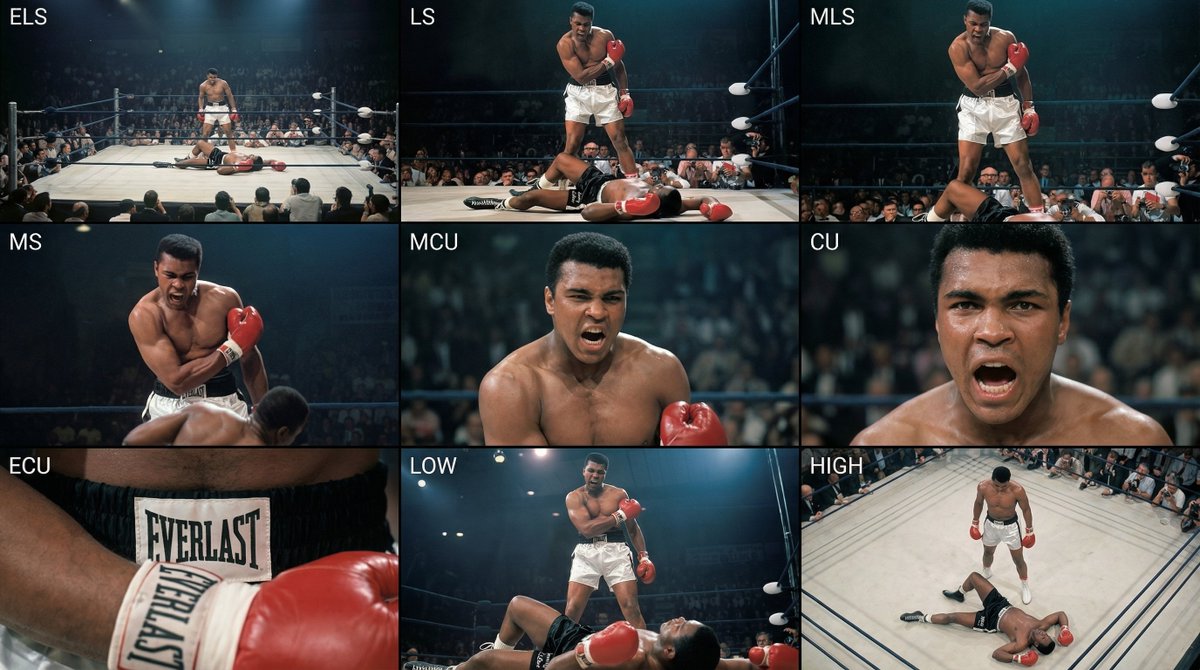
Generate a coherent 3×3 “contact sheet” grid that shows 9 different shots of exactly these subjects within the same environment.
You must adapt standard cinematic shot types to fit the content (for example, if it’s a group, keep the group together; if it’s an object, frame the entire object):
Row 1 (establishing the environment):
Extreme long shot (ELS): the subject appears small within a vast environment.
Long shot (LS): the full subject or group is visible from top to bottom (head to toe / wheels to roof).
Medium long shot (American shot / three-quarter): framed from above the knees (for people) or a 3/4 view (for objects).
Row 2 (core coverage):
4. Medium shot (MS): framed from the waist up (or the central core of an object). Focus on interaction/action.
5. Medium close-up (MCU): framed from the chest up. An intimate framing of the main subject.
6. Close-up (CU): tightly framed on the face or the “front” of the object.
Row 3 (details and angles):
7. Extreme close-up (ECU): intense focus on key features (eyes, hands, signs, textures) with macro-like detail.
8. Low-angle shot (worm’s-eye): look up at the subject from ground level (epic/heroic feeling).
9. High-angle shot (bird’s-eye): look down on the subject from above.
Ensure strict consistency: the same person/object, same clothing, and same lighting must appear in all 9 panels. Depth of field should vary realistically (with background blur in close-up shots).
Create a professional 3×3 cinematic storyboard grid with 9 panels.
The grid should present a specific subject/scene from the input image across a full range of focal lengths.
Top row: wide environmental shot, full-body view, 3/4 cropped (knees-up).
Middle row: waist-up view, chest-up view, face/front close-up.
Bottom row: macro details, low angle, high angle.
All frames must have photo-realistic textures, consistent cinematic color grading, and correct framing tailored to the number and type of subjects or objects being analyzed.
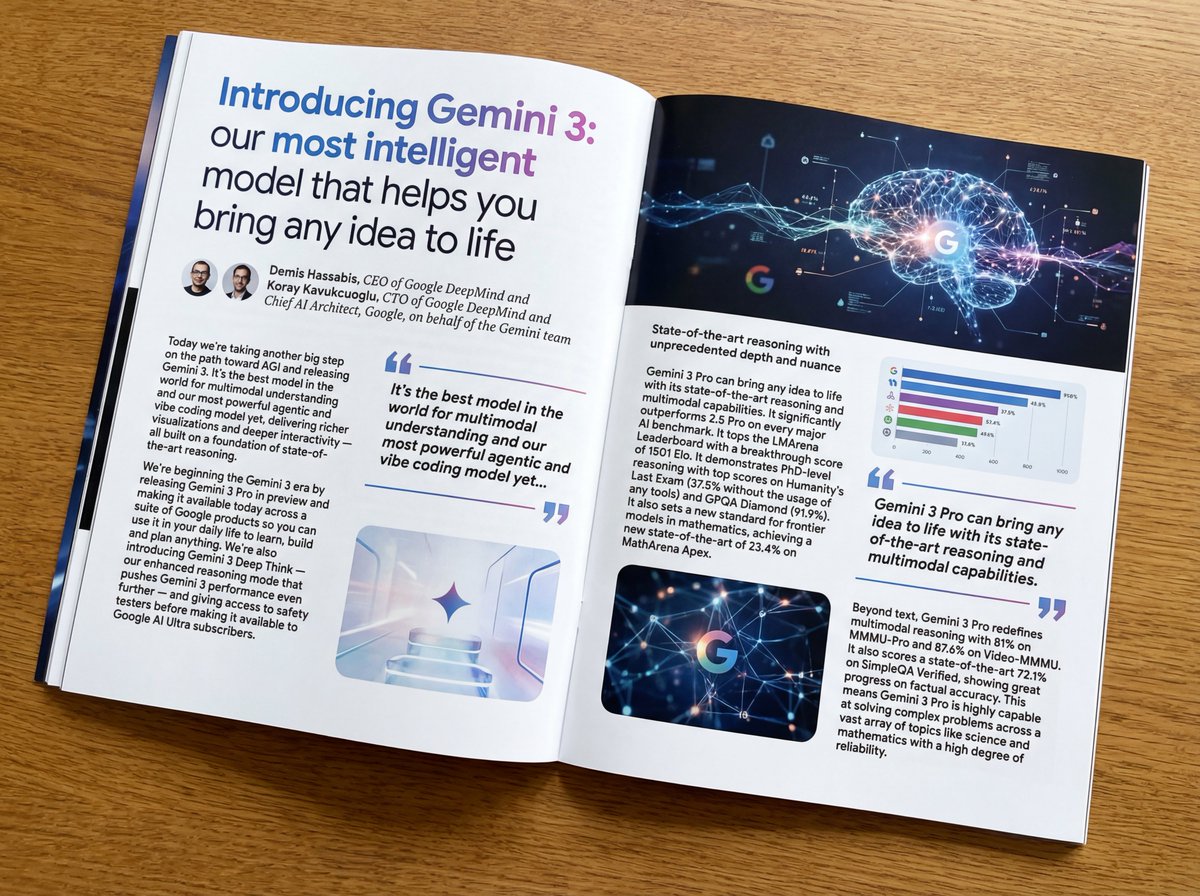
Put this whole text, verbatim, into a photo of a glossy magazine article on a desk, with photos, beautiful typography design, pull quotes, and bold formatting. The text: {argument name="article_text_en" default="[paste the full unformatted article here]"}
Create decorative text based on the word "{argument name="word" default=""}". Write the specified word largely and create decorative text designs associated with the image of the word. Create original designs with flexible ideas, without being constrained by existing fonts. The background should be a single color, white or black, matching the design.