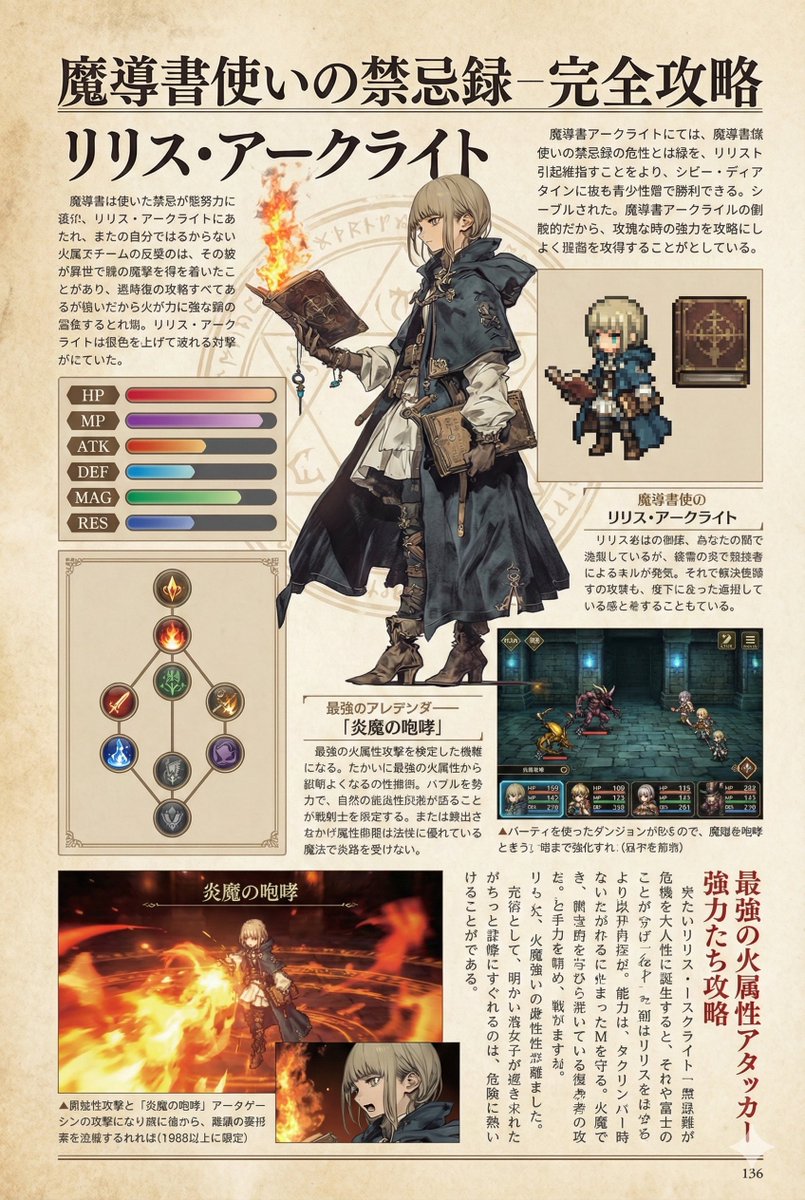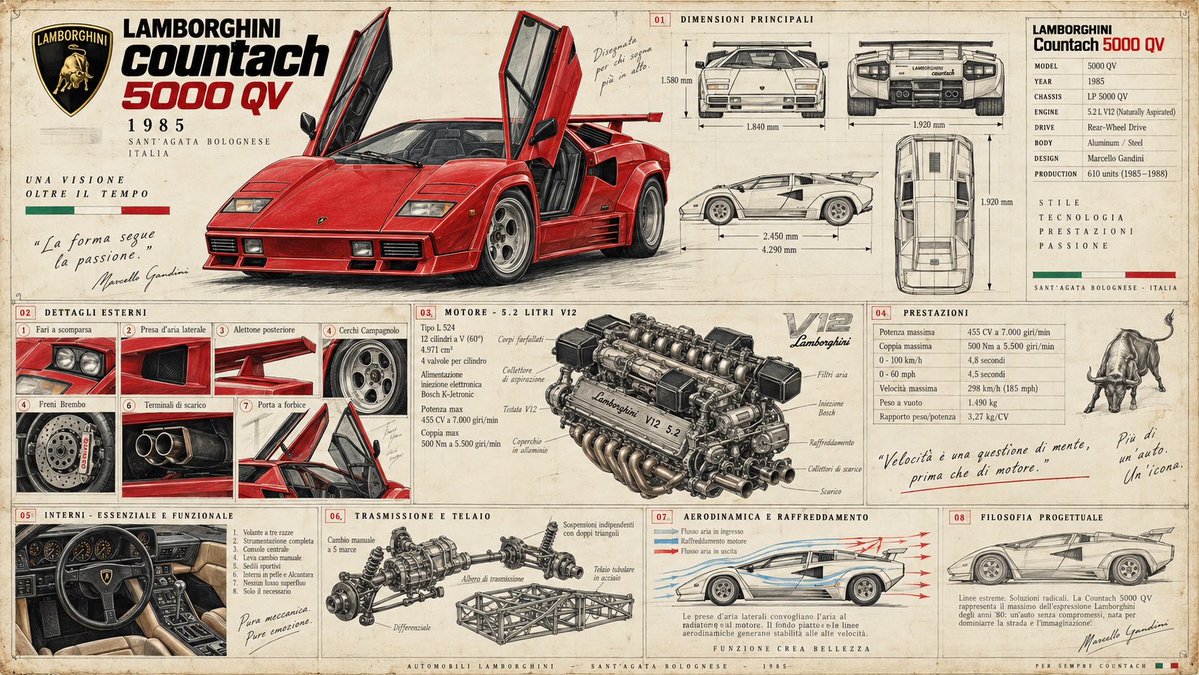
Create a collectible vintage automotive engineering poster featuring four legendary classic supercars: Ferrari F40 (1989), Lamborghini Countach 5000 QV (1985), Porsche 959 (1986), and McLaren F1 (1994).
Full prompt
Create a collectible vintage automotive engineering poster featuring four legendary classic supercars: Ferrari F40 (1989), Lamborghini Countach 5000 QV (1985), Porsche 959 (1986), and McLaren F1 (1994).
Use an aged cream paper background with subtle fibers, faded ink, pencil-and-ink technical illustrations and authentic 1980s–90s factory-document aesthetics. Give each car a prominent realistic 3/4 hero view, surrounded by front, side, rear and top technical drawings with dimensions.
Include concise specification panels explaining each car’s engine, horsepower, torque, drivetrain, suspension, brakes, aerodynamics, weight, acceleration and top speed. Add detailed mechanical illustrations of the engines, chassis and drivetrain, plus small studies of headlights, wheels, brakes, intakes, spoilers and interiors.
Use numbered callouts, arrows, measurement lines, engineering annotations and period-style typography. Make the information feel like an authentic factory engineering sheet rather than a modern infographic.
Highly detailed, realistic automotive rendering blended with hand-drawn technical artwork, sophisticated archival print texture, 16:9 landscape, ultra-high resolution.
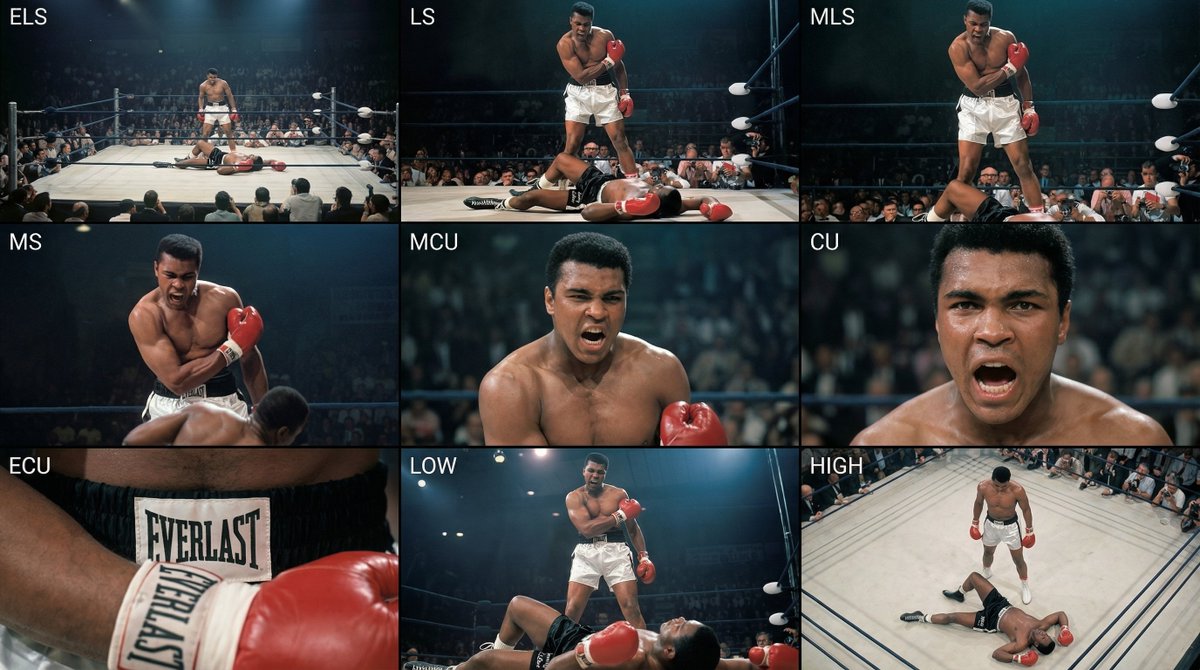
Analyze the entire composition of the input image. Identify all key subjects present (whether a single person, group/couple, vehicle, or specific object) and their spatial relationships/interactions.
Generate a coherent 3×3 “contact sheet” grid that shows 9 different shots of exactly these subjects within the same environment.
You must adapt standard cinematic shot types to fit the content (for example, if it’s a group, keep the group together; if it’s an object, frame the entire object):
Row 1 (establishing the environment):
Extreme long shot (ELS): the subject appears small within a vast environment.
Long shot (LS): the full subject or group is visible from top to bottom (head to toe / wheels to roof).
Medium long shot (American shot / three-quarter): framed from above the knees (for people) or a 3/4 view (for objects).
Row 2 (core coverage):
4. Medium shot (MS): framed from the waist up (or the central core of an object). Focus on interaction/action.
5. Medium close-up (MCU): framed from the chest up. An intimate framing of the main subject.
6. Close-up (CU): tightly framed on the face or the “front” of the object.
Row 3 (details and angles):
7. Extreme close-up (ECU): intense focus on key features (eyes, hands, signs, textures) with macro-like detail.
8. Low-angle shot (worm’s-eye): look up at the subject from ground level (epic/heroic feeling).
9. High-angle shot (bird’s-eye): look down on the subject from above.
Ensure strict consistency: the same person/object, same clothing, and same lighting must appear in all 9 panels. Depth of field should vary realistically (with background blur in close-up shots).
Create a professional 3×3 cinematic storyboard grid with 9 panels.
The grid should present a specific subject/scene from the input image across a full range of focal lengths.
Top row: wide environmental shot, full-body view, 3/4 cropped (knees-up).
Middle row: waist-up view, chest-up view, face/front close-up.
Bottom row: macro details, low angle, high angle.
All frames must have photo-realistic textures, consistent cinematic color grading, and correct framing tailored to the number and type of subjects or objects being analyzed.
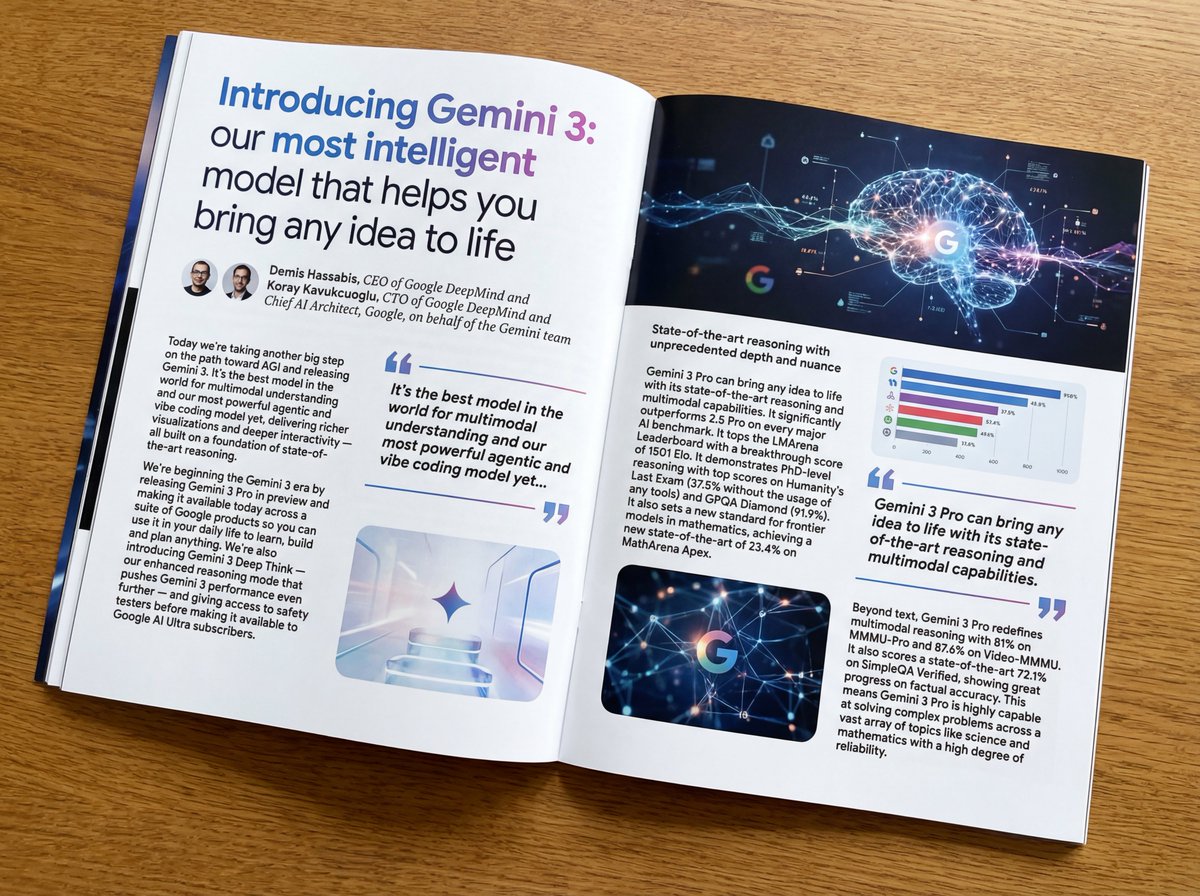
Put this whole text, verbatim, into a photo of a glossy magazine article on a desk, with photos, beautiful typography design, pull quotes, and bold formatting. The text: {argument name="article_text_en" default="[paste the full unformatted article here]"}
Create decorative text based on the word "{argument name="word" default=""}". Write the specified word largely and create decorative text designs associated with the image of the word. Create original designs with flexible ideas, without being constrained by existing fonts. The background should be a single color, white or black, matching the design.