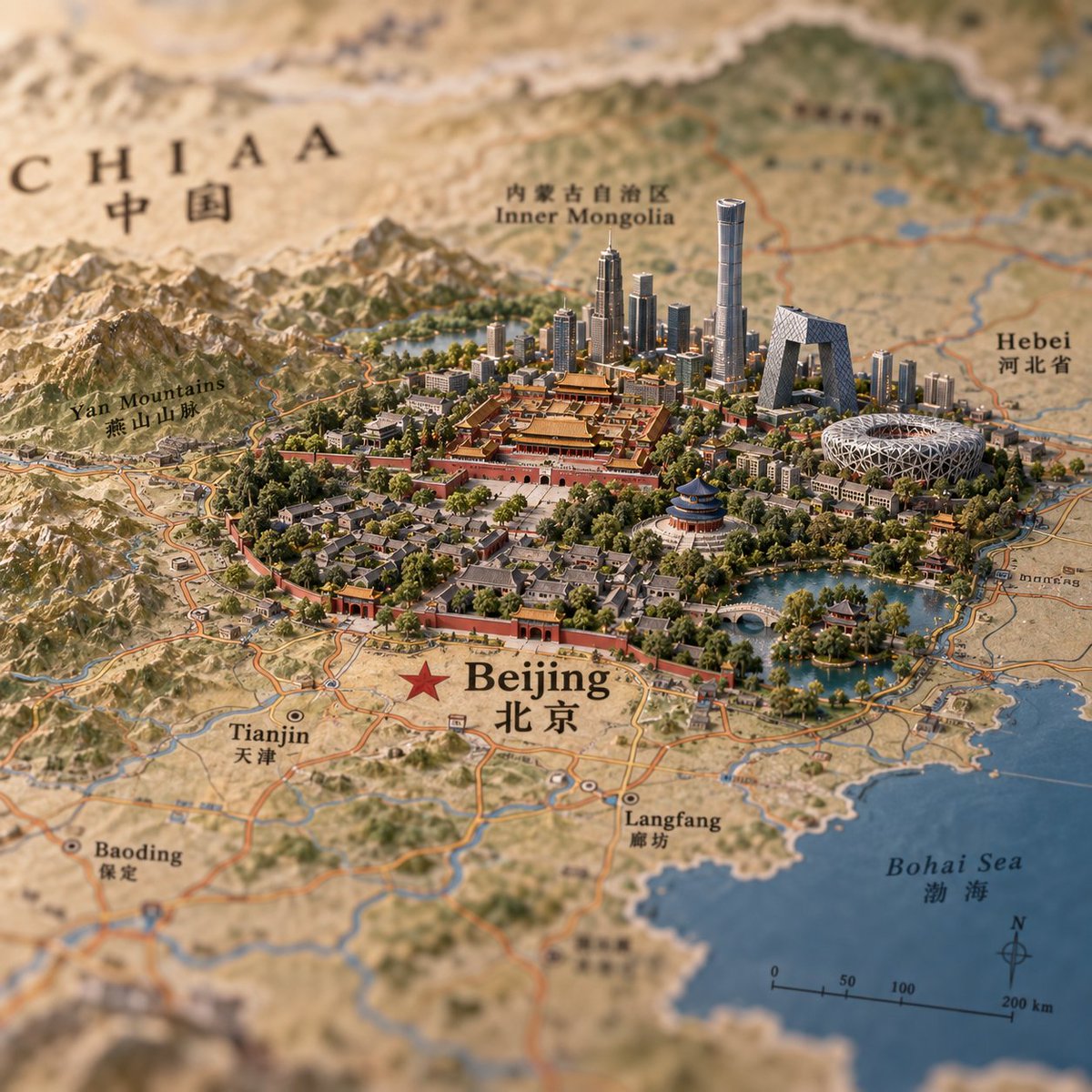
Create a hyper-detailed miniature diorama built directly on top of an antique printed atlas map, showing Beijing as a tiny 3D landmark city rising from the flat map.
Fields you can change: city name.
Full prompt
Create a hyper-detailed miniature diorama built directly on top of an antique printed atlas map, showing {argument name="city name" default="Beijing"} as a tiny 3D landmark city rising from the flat map. Use a square 1:1 canvas, warm natural light, shallow depth of field, tilt-shift macro photography, realistic paper texture, and a premium travel-editorial look. The map should show northern China with bilingual English and Chinese labels; make the main label large and sharp near the foreground with a red star marker: “Beijing” and “北京”. Include surrounding readable map labels: “CHIAA” with “中国” in the upper left, “Inner Mongolia” with Chinese text near the top center, “Hebei” with Chinese text on the right, “Yan Mountains” with Chinese text on the left, “Tianjin” with “天津” at lower left, “Baoding” with “保定” at lower left, “Langfang” with “廊坊” near the lower center, and “Bohai Sea” with “渤海” on the lower right over blue water. Add printed roads, rivers, province borders, a compass rose, and a scale bar marked 0, 50, 100, 200 km. In the center, build a dense miniature Beijing cityscape: the Forbidden City palace complex in red and gold at the core, a red city wall and gates around older hutong-style neighborhoods, abundant green trees, lakes and bridges, plus modern skyline towers behind it. Include recognizable miniature landmarks: the Forbidden City, Temple of Heaven, CCTV Headquarters, Beijing National Stadium Bird’s Nest, and several tall glass skyscrapers including one very tall cylindrical tower. Surround the city with sculpted mountains to the west and north, water features to the southeast, and tiny road networks integrated into the printed map. Keep the foreground and central city crisp while the map edges blur softly; use earthy beige map tones, deep green parks, red palace walls, blue water, and metallic glass towers. No people, no vehicles emphasized, no watermark, no extra labels beyond map typography.
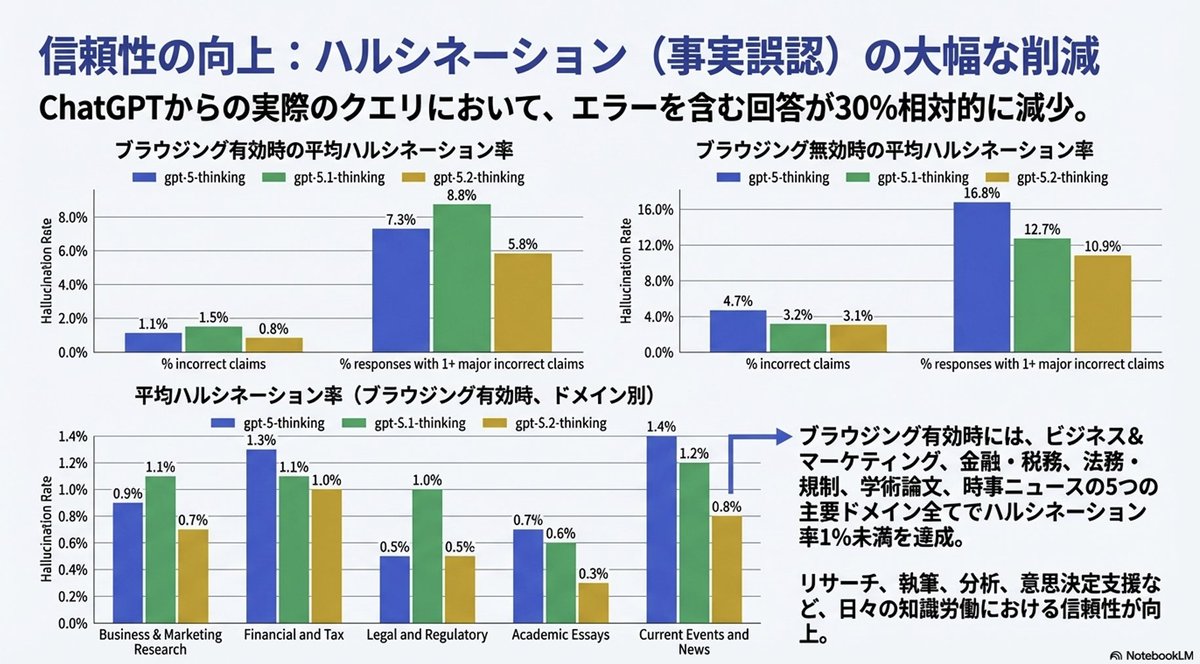
Completely reproduce the attached image as a single slide in a pptx file.
Make the text fully editable, and crop and use the diagrams and graphs from the original image as they are.
Generate an image that clearly summarizes the following {argument name="news_source_en" default="Yahoo News"} article in a single slide, using diagrams and illustrations.
---
{argument name="news_body_en" default="{paste the Yahoo News article here}"}
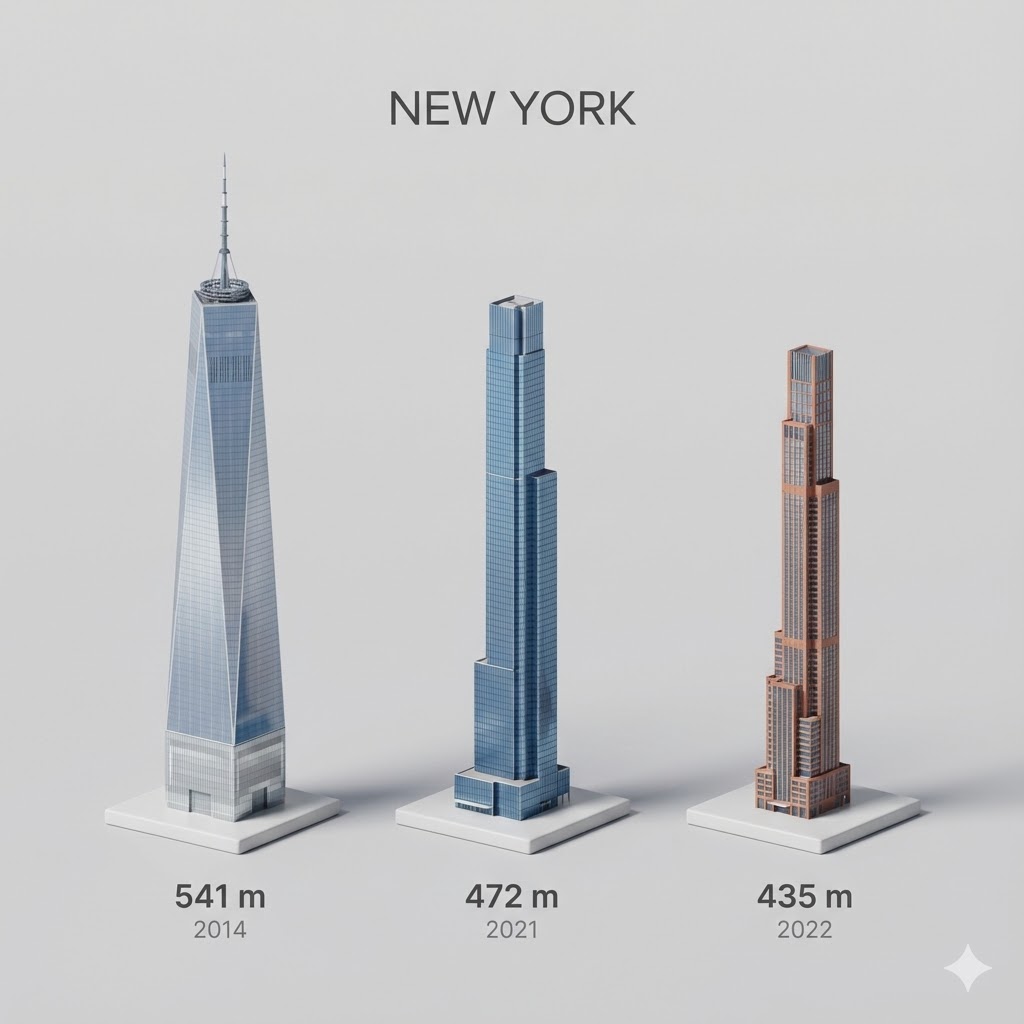
Present a clear, side miniature 3D cartoon view of the tallest buildings in {argument name="city in English" default="YOUR CITY"}. Use minimal textures with realistic materials and soft, lifelike lighting and shadows. Use a clean, minimalistic composition showing exactly the three tallest buildings in {argument name="reference city in English" default="Sopot"}, arranged from left to right in strict descending height order. The tallest must appear visibly tallest, the second must be clearly shorter than the first, and the third must be clearly shorter than the second.
All buildings must follow accurate relative proportions: if a building is taller in real life, it must be taller in the image by the same approximate ratio. No building may be visually stretched or compressed.
Each building should stand separately on a thin, simple ceramic base. Below each base, centered text should display:
Height in meters — semibold sans-serif, medium size
Year built — lighter-weight sans-serif, smaller size, directly beneath the height text
Provide consistent padding, spacing, leading, and kerning. Write “{argument name="city name title" default="YOUR CITY NAME"}” centered above the buildings, using a medium-sized sans-serif font.
No building top should overlap or touch the text above. Use accurate architectural proportions based on real-world references. Maintain a consistent camera angle and identical scale for each building model.
No forced perspective. Use straight-on orthographic-style rendering. Do not exaggerate or stylize size differences beyond proportional accuracy.
Use a square 1080×1080 composition. Use a clean, neutral background. Ensure no extra objects are present.
I want an illustrated diagram explaining the roles of dopamine and D2 receptors in the synaptic cleft between neurons, and how they relate to schizophrenia. Antipsychotic drugs exert their effects by blocking D2 receptors. Please diagram this for the three cases: healthy person | hallucination and delusion state | under antipsychotic medication. Generate a horizontally oriented image.