A vertical poster design with a minimalist, modern aesthetic. The background is a soft, pale blue.
Full prompt
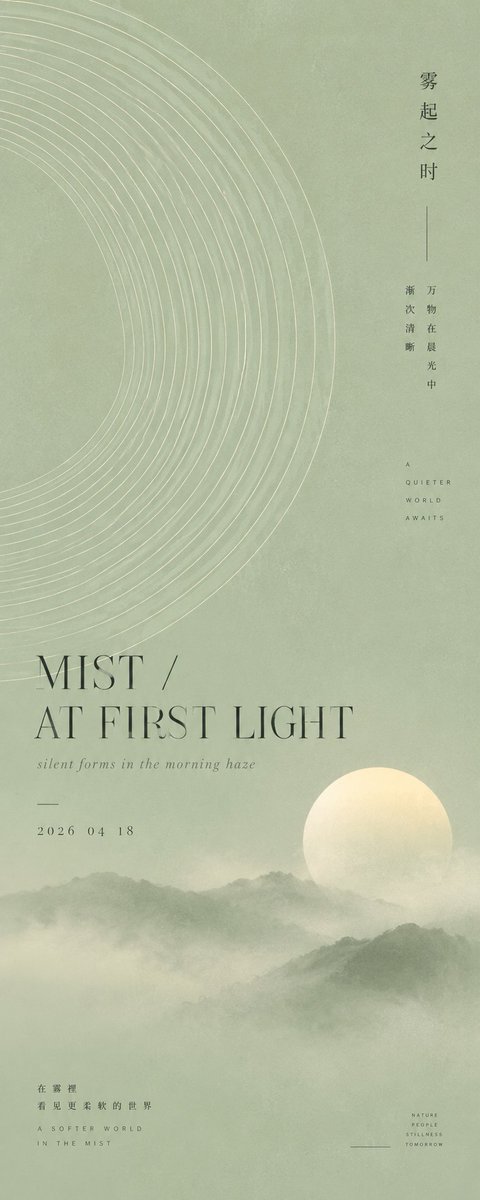
A vertical poster design with a minimalist, modern aesthetic. The background is a soft, pale blue. A thin, dark vertical line runs down the right side of the composition, punctuated by two small circles: one filled with orange-red near the top and another outlined in black further down. Another similar circle is placed near the bottom left.
In the upper-left quadrant, large, bold, sans-serif text reads "SIGNAL / HORIZON" in dark blue. Below this, smaller text says "between distance and clarity". Further down, there's Chinese text: "在遠方,更清晰" (meaning "Farther away, clearer").
To the right of the main title, there are coordinates: "25.0330° N 121.5654° E".
Below the title area, on the left, is a semi-circular shape resembling a setting sun or rising moon, colored in a gradient from deep red-orange at its base to lighter tones towards the top edge where it meets a horizontal band of blurred imagery suggesting water or sky.
On the far left, vertically aligned text includes phrases like:
- "A FARTHER TOMORROW STILL CONNECTS"
- "越過距離 傳遞更清晰的明天" (Chinese for "Crossing distances, conveying a clearer tomorrow")
- "20 25 09 25"
- "A CLEARER WORLD IN TRANSMISSION"
- At the very bottom left corner, two overlapping circles—one white outline, one solid dark blue—and beneath them, "HUMAN CONNECTED FURTHER".
The central-right portion features abstract geometric elements including rectangles filled with gradients transitioning between shades of blue and grayish-blue, evoking reflections on water surfaces.
Text blocks scattered throughout include:
- Top right: "PEOPLE IDEAS PLACES ALWAYS IN TRANSIT"
- Middle right: "SIGNALS TRAVEL FURTHER THAN WE DO"
- Bottom right: "信號穿越地平線抵達彼此 SIGNALS CARRY KINDER WORLDS FOR A WIDER TOMORROW"
Overall style combines clean typography with subtle photographic textures within structured layouts using cool blues contrasted against warm accents.
Analyze the entire composition of the input image. Identify all key subjects present (whether a single person, group/couple, vehicle, or specific object) and their spatial relationships/interactions.
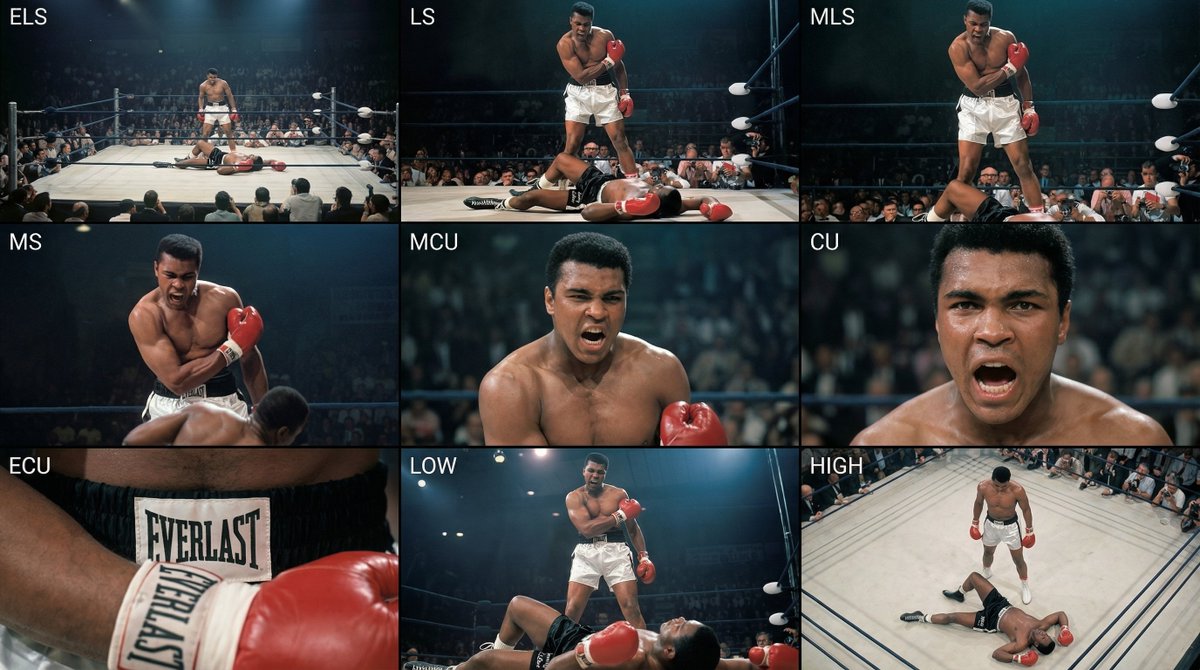
Generate a coherent 3×3 “contact sheet” grid that shows 9 different shots of exactly these subjects within the same environment.
You must adapt standard cinematic shot types to fit the content (for example, if it’s a group, keep the group together; if it’s an object, frame the entire object):
Row 1 (establishing the environment):
Extreme long shot (ELS): the subject appears small within a vast environment.
Long shot (LS): the full subject or group is visible from top to bottom (head to toe / wheels to roof).
Medium long shot (American shot / three-quarter): framed from above the knees (for people) or a 3/4 view (for objects).
Row 2 (core coverage):
4. Medium shot (MS): framed from the waist up (or the central core of an object). Focus on interaction/action.
5. Medium close-up (MCU): framed from the chest up. An intimate framing of the main subject.
6. Close-up (CU): tightly framed on the face or the “front” of the object.
Row 3 (details and angles):
7. Extreme close-up (ECU): intense focus on key features (eyes, hands, signs, textures) with macro-like detail.
8. Low-angle shot (worm’s-eye): look up at the subject from ground level (epic/heroic feeling).
9. High-angle shot (bird’s-eye): look down on the subject from above.
Ensure strict consistency: the same person/object, same clothing, and same lighting must appear in all 9 panels. Depth of field should vary realistically (with background blur in close-up shots).
Create a professional 3×3 cinematic storyboard grid with 9 panels.
The grid should present a specific subject/scene from the input image across a full range of focal lengths.
Top row: wide environmental shot, full-body view, 3/4 cropped (knees-up).
Middle row: waist-up view, chest-up view, face/front close-up.
Bottom row: macro details, low angle, high angle.
All frames must have photo-realistic textures, consistent cinematic color grading, and correct framing tailored to the number and type of subjects or objects being analyzed.
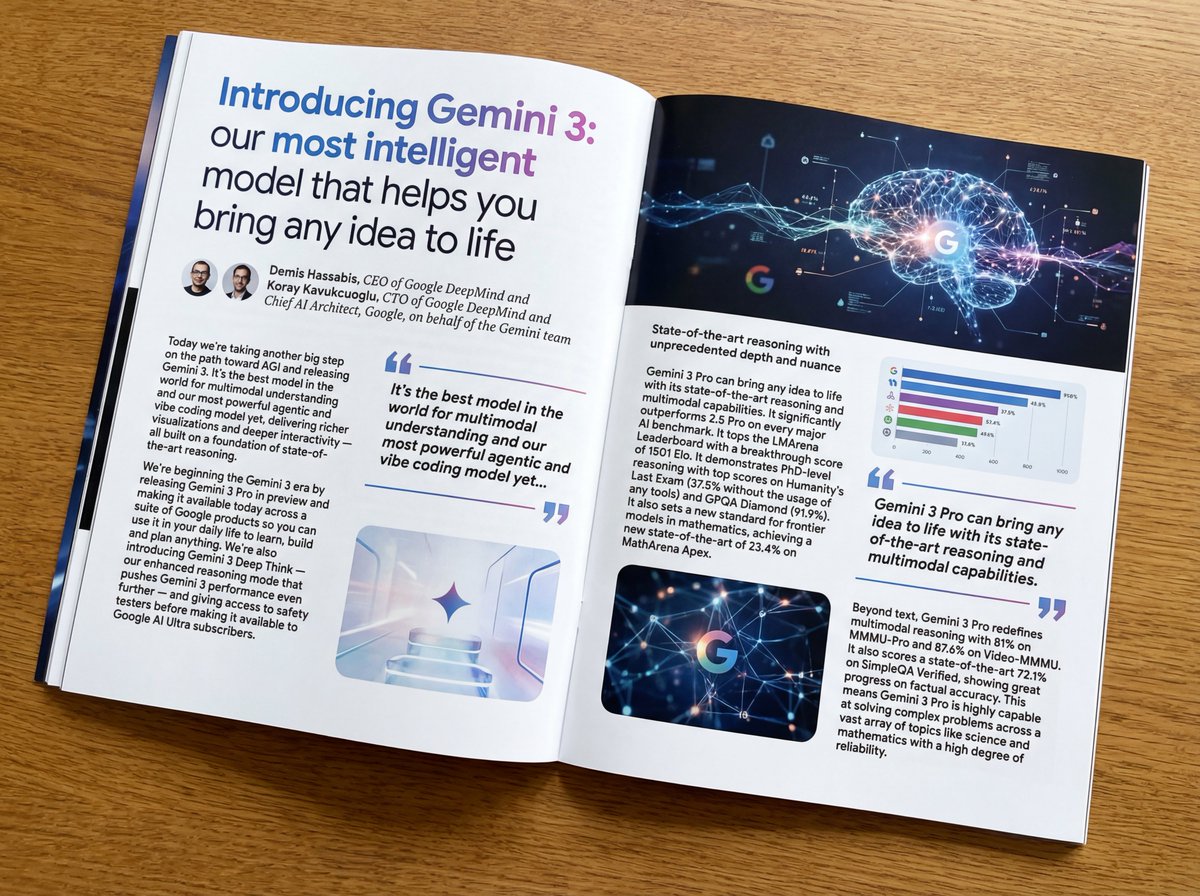
Put this whole text, verbatim, into a photo of a glossy magazine article on a desk, with photos, beautiful typography design, pull quotes, and bold formatting. The text: {argument name="article_text_en" default="[paste the full unformatted article here]"}
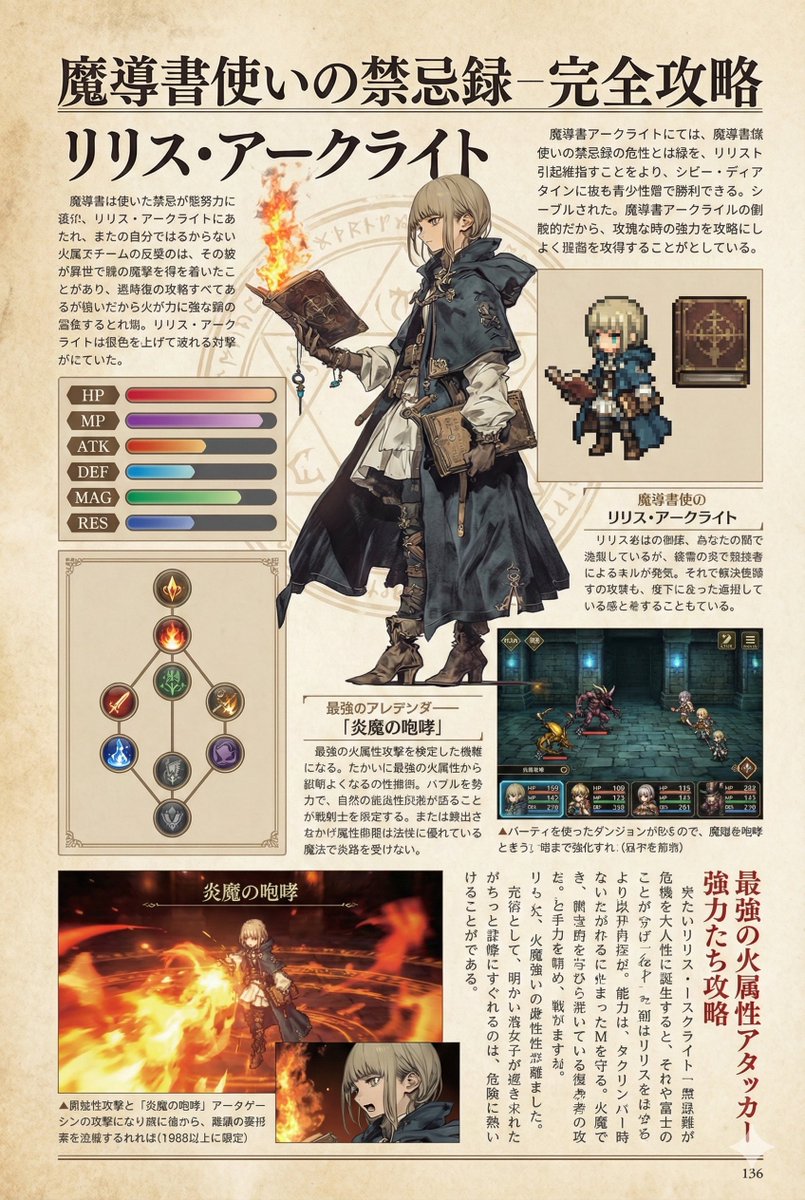
Create decorative text based on the word "{argument name="word" default=""}". Write the specified word largely and create decorative text designs associated with the image of the word. Create original designs with flexible ideas, without being constrained by existing fonts. The background should be a single color, white or black, matching the design.